BlueCruise System: Features and Limitations
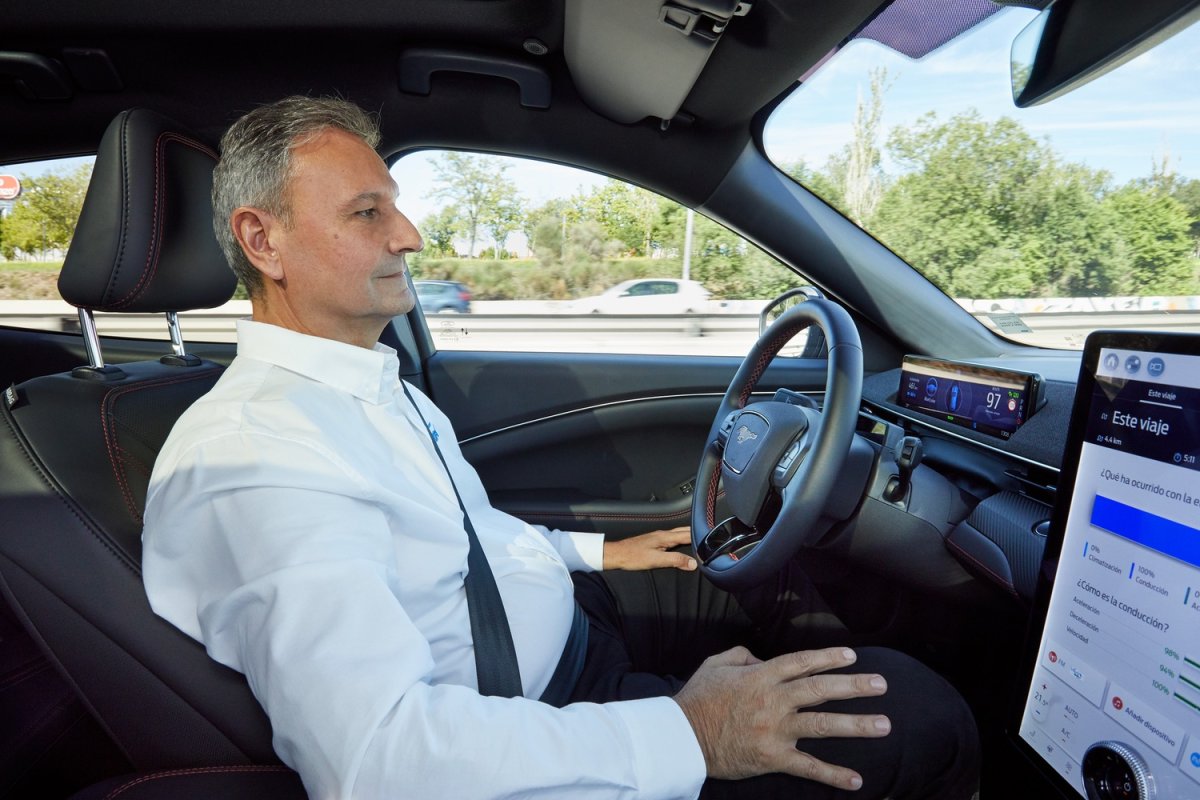
Ford’s BlueCruise is a Level 2+ driver-assist technology, not a fully autonomous system. When activated on approved motorway sections, known as ‘Blue Zones,’ it automatically controls the vehicle’s steering, acceleration, and braking, maintaining a preset safe distance from the vehicle ahead. The system works by combining data from a forward-facing camera and GPS navigation maps, allowing it to recognize speed limit signs, adjust speed accordingly, and keep the vehicle centered in its lane.
However, the use of this technology comes with strict conditions. An infrared camera facing the driver continuously monitors their gaze and head position to ensure their attention remains on the road. If the system detects driver inattention, it will first issue audible and visual warnings. If there is no response, it will gradually slow the vehicle down to ensure safety. Furthermore, maneuvers such as changing lanes must still be performed manually by the driver; the system will only resume control after the lane change is complete.
Compatible Models and Coverage
Currently, the Ford BlueCruise technology is first available on the all-electric Mustang Mach-E. Ford plans to gradually extend this feature to more models in its lineup, including the Ford Kuga, certain hybrid and all-electric versions of the Puma, and the upcoming Ranger PHEV pickup truck.
In terms of coverage, the system is supported on approximately 90% of Spain’s motorway network. In addition to Spain, BlueCruise is also active on motorway networks in several other European countries, including Germany and the UK, offering a new level of convenience for long-distance, cross-border driving.
Subscription Model and Legal Liability
Ford offers a flexible payment model for the BlueCruise system. Owners can access the feature through a subscription service, which costs around €24.99 per month or €280 per year. A one-time purchase option for approximately €1,500 is also available.
It must be emphasized that while the system significantly reduces the driving workload, the driver remains the ultimate person responsible for the vehicle under current regulations. Regardless of whether BlueCruise is active, the driver must be prepared to take full control of the vehicle at any moment. The rollout of this technology marks a further step in the popularization of advanced driver-assistance systems in the European market, but there is still a long way to go before achieving full autonomy.
