Spain’s Heatwave Death Toll Surpasses 100
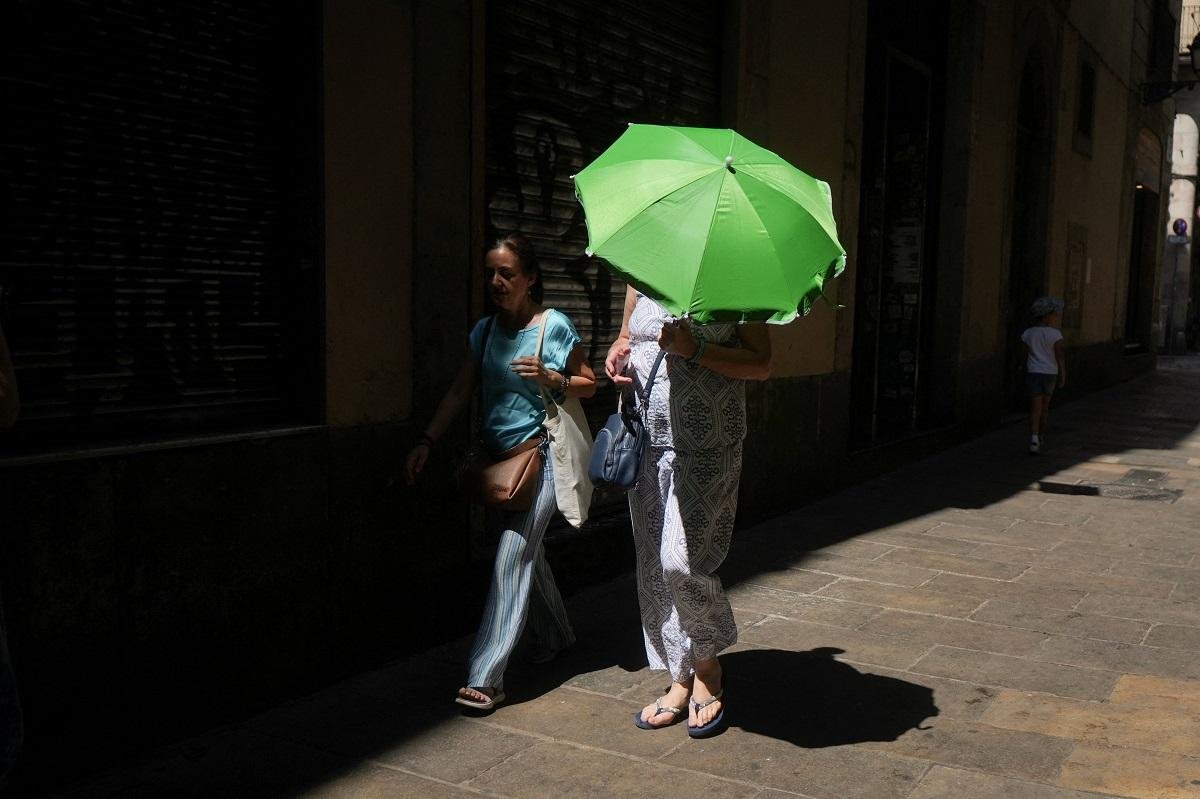
Spain is experiencing a severe and persistent heatwave, with over 100 deaths attributed to the high temperatures recorded nationwide since last Sunday. Spain’s Ministry of Health has indicated that the deceased are mostly elderly individuals and vulnerable people with chronic illnesses. The heat has exacerbated health issues such as heatstroke, dehydration, and the worsening of pre-existing conditions, placing significant strain on the national public health system.
To manage the crisis, authorities have issued multi-level heat warnings in several regions and are urging the public to avoid going outdoors during the hottest hours (typically in the afternoon) and to stay well-hydrated. Additionally, relevant departments are coordinating with local governments to enhance care and provide cooling support for vulnerable groups, such as the elderly living alone, to mitigate the further impacts of the heatwave.
40 Arrested During San Juan’s Eve in Valencia
In Valencia, the traditional San Juan’s Eve (Noche de San Juan) celebrations were marked by several public order incidents. According to a report from the National Police in Valencia, a total of 40 suspects were arrested during a special security operation on the night of June 23rd to the morning of June 24th. The reasons for arrest included drug trafficking, brawls, theft, assaulting police officers, and sexual assault, with one confirmed case of rape and two cases of gender-based violence.
During the operation, police identified 927 individuals and issued 225 citations, primarily for administrative offenses such as illegal possession of drugs or weapons. According to local government figures, over 75,000 people participated in the beach festivities. The Red Cross provided on-site medical assistance to 114 people for issues including alcohol intoxication, burns, and injuries.
Spread of Ticks to Cities Sounds Public Health Alarm
Public health experts in Spain have recently issued a warning about the significant expansion of the tick population’s range. Ticks, previously found mainly in rural and forested areas, are now increasingly spreading to urban parks, green spaces, and even residential areas, heightening the risk of bites for both people and pets. Experts attribute this phenomenon primarily to climate change, which has led to warmer winters, and the expansion of wildlife activity into urban areas.
While not all ticks carry pathogens, they are vectors for several serious diseases, including Lyme disease and Crimean-Congo hemorrhagic fever. Health authorities are therefore urging citizens to carefully check their bodies and their pets’ fur after spending time in outdoor areas like parks and grasslands, and to learn the correct method for removing ticks. If symptoms such as fever or a rash appear after a bite, immediate medical attention should be sought.
Other European News: Ebola in France, Germany Considers Raising Retirement Age
Beyond Spain, other European countries are also seeing significant developments. On June 24th, French health authorities confirmed the country’s first case of Ebola virus infection. The patient is a doctor who had previously worked in the Democratic Republic of Congo, a country affected by an Ebola outbreak. The doctor developed symptoms after returning to France and was diagnosed, and is now receiving treatment in isolation at a designated medical facility. French public health authorities have activated emergency procedures, are tracing close contacts, and have strengthened health screenings at the borders.
On the policy front, the German government has received a pension reform proposal aimed at addressing the challenges of an aging population. The plan suggests linking the legal retirement age to average life expectancy after 2031, with a projected gradual increase to 70 by 2092. Additionally, Spain’s Ministry of Education has announced a historic reduction in class sizes across all educational levels. The new regulation will be phased in starting from the 2027-2028 academic year, aiming to improve educational quality by lowering the student-to-teacher ratio.
