Spain’s diverse climates, from the humid north to the dry Mediterranean south, make it a habitat for various tick species. Among them, three are of significant public health concern due to the diseases they transmit, making them a focus for medical experts.
I. Main Risk Species and Seasonal Distribution
Ticks in Spain are generally active from March to October, but different species have varying peak seasons, posing different risks to residents and tourists at different times and locations.
- March to June: This period is the peak activity season for the castor bean tick (Ixodes ricinus), primarily threatening northern Spain.
- June to September: The hot summer is the most active time for the large Hyalomma tick (Hyalomma marginatum), with risks concentrated in central and southern Spain.
- September to November: Autumn marks a secondary peak for the ornate dog tick (Dermacentor reticulatus), overlapping with the second active season of the castor bean tick.
II. Detailed Information on High-Risk Ticks
Castor Bean Tick (Ixodes ricinus): The Main Vector of Lyme Disease
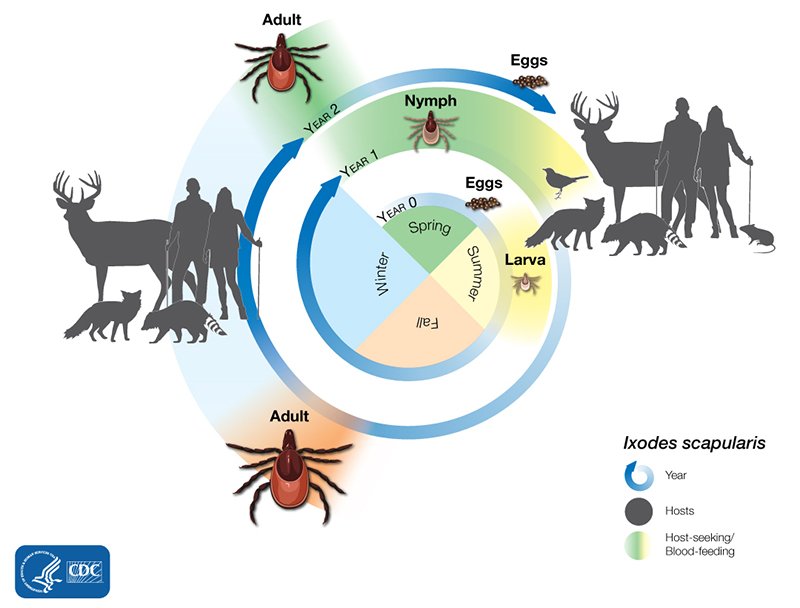
The castor bean tick is the most medically important tick in Europe and the primary vector of Lyme disease in Spain. It is mainly found in the humid, vegetated regions of northern and northwestern Spain, including Galicia, Asturias, Cantabria, the Basque Country, Navarre, and the Pyrenees. According to a study in Galicia, this species accounted for 58% of collected tick samples.
This tick is tiny, especially in its nymph stage, where it is only the size of a poppy seed, making it extremely difficult to spot. Its peak activity is from March to June, when its larvae are abundant in forests and bushes. Studies show that the bacteria prevalence in Spain’s Ixodes ricinus population is about 5.9%, and the pathogen typically requires the tick to be attached for more than 24 hours for successful transmission. Early symptoms of Lyme disease include a characteristic ’bull’s-eye’ rash (erythema migrans) at the bite site and flu-like symptoms such as fatigue, fever, and muscle aches.
Large Hyalomma Tick (Hyalomma marginatum): Vector of a High-Fatality Virus
Hyalomma marginatum poses a major public health challenge in Spain as it is the main carrier of the Crimean-Congo Hemorrhagic Fever (CCHF) virus, which has a fatality rate in humans of 30% to 50%. This tick is widespread in central and southern Spain, along the Mediterranean coast, and in the Balearic Islands. This increases the risk for hikers in regions like Extremadura and Castile-La Mancha during the summer.
This tick is relatively large, with un-engorged adults measuring 5 to 8 mm and having distinctly striped legs, making them easy to identify with the naked eye. Its peak activity is from June to September. Additionally, the immature stages of this tick can attach to migratory birds for up to 26 days, facilitating intercontinental spread.
Other Ticks of Concern
- Ornate Dog Tick (Dermacentor reticulatus): Primarily found in northern Spain, its range is expanding southward. Its peak activity is in the autumn, from September to November.
- Brown Dog Tick (Rhipicephalus sanguineus): Commonly known as the ‘kennel tick,’ this is the most widespread species in Spain, especially common in Andalusia. It can adapt to urban environments and even survive indoors. While it rarely bites humans, it poses a significant threat to canine health, transmitting serious diseases like canine ehrlichiosis and babesiosis.
III. Comprehensive Prevention and Emergency Response Guide
For outdoor enthusiasts and pet owners, mastering the correct prevention and treatment methods is crucial.
Personal Protection and Checks:
- After outdoor activities, thoroughly check your entire body, especially warm, moist areas like the groin, armpits, scalp, behind the ears, inside of elbows, and back of the knees.
Proper Tick Removal:
- Use fine-tipped tweezers to grasp the tick as close to the skin’s surface as possible.
- Pull upward with steady, even pressure. Avoid twisting or jerking the tick.
- Do not use methods like petroleum jelly, nail polish, alcohol, or a lit match, as these can cause the tick to regurgitate more pathogens into the wound.
- After removing the tick, thoroughly clean the bite area and your hands with 70% alcohol or soap and water.
Pet Protection:
- Use veterinarian-recommended parasite control products for dogs year-round. Oral medications containing isoxazoline-class ingredients like Fluralaner or Afoxolaner are effective in preventing tick bites and related diseases.
