Changing Tick Activity Patterns Pose New Risks for Urban Residents
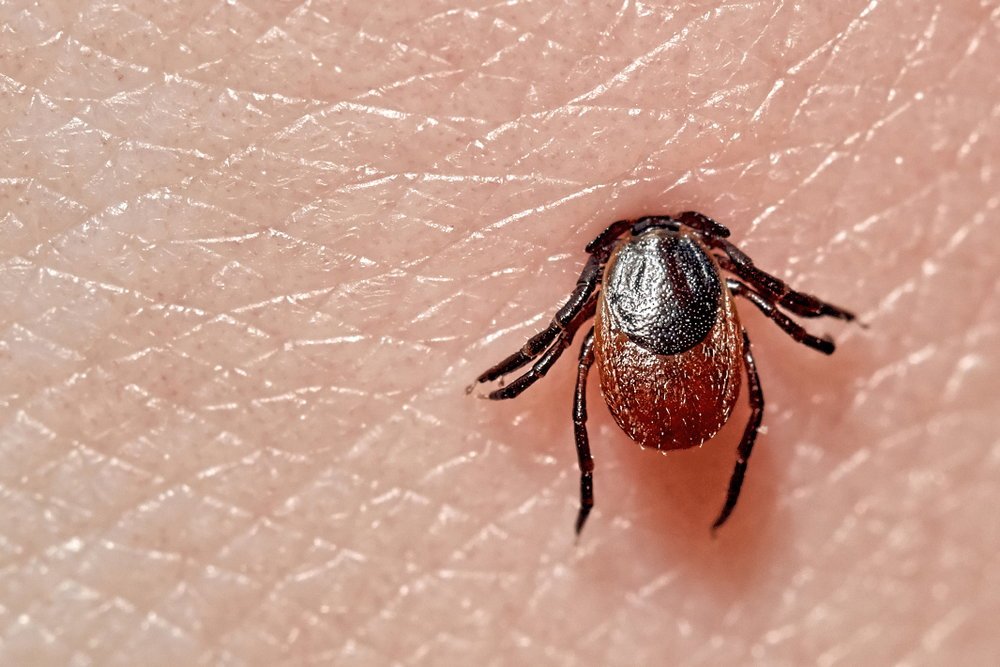
Spanish health experts point out that due to global warming, expansion of wildlife habitats, and overall ecological changes, the survival and reproduction conditions for ticks have significantly changed. While it was once believed that ticks were only active in spring and summer, their activity period now spans the entire year. More concerningly, their range is no longer confined to traditional rural and forested areas but has begun to spread into densely populated urban parks and residential green spaces. This shift means the risk of tick bites has transformed from a seasonal issue in specific regions to a year-round public health threat that all residents in Spain need to be aware of.
Lyme Disease: A Common Chronic Risk in Northern Regions
In Spain, one of the primary diseases transmitted by ticks is Lyme disease. Caused by the bacterium Borrelia burgdorferi, initial symptoms typically include a characteristic rash, fever, headache, and fatigue. If not diagnosed and treated promptly, Lyme disease can develop into a chronic condition, causing long-term or even permanent damage to the patient’s nervous system, joints, and heart. According to epidemiological data, high-risk areas for Lyme disease are mainly concentrated in the humid northern regions of Spain, such as La Rioja, Navarra, the Basque Country, and the coastal areas of Cantabria. However, the risk of tick transmission also exists in southern regions with dense river networks and lush vegetation.
Crimean-Congo Hemorrhagic Fever: A Deadly Threat with a High Fatality Rate
More alarming than Lyme disease is Crimean-Congo Hemorrhagic Fever (CCHF), a viral hemorrhagic fever with a high fatality rate. Official data shows that Spain has recorded at least 20 cases of CCHF in the last decade, with about one-third of the patients unfortunately dying. Recently, a 68-year-old man was urgently transferred to the Gómez Ulla Military Hospital in Madrid for specialized treatment after developing symptoms following a tick bite; he is currently in stable condition. Studies indicate that the tick species that transmit the CCHF virus are primarily found in areas such as Salamanca, Ávila, and the northern parts of the province of Cáceres. These ticks are larger and have a greater ability to actively track hosts, increasing their likelihood of coming into contact with humans.
Expert Advice and Preventive Measures
Although not all ticks carry pathogens, health experts emphasize that the public should not panic excessively but must increase their awareness of prevention. When engaging in outdoor activities, especially in grassy or wooded areas, it is advisable to wear long-sleeved shirts and trousers and to use insect repellent. After the activity, a thorough check of the entire body is recommended, paying special attention to areas like the armpits, groin, and scalp. If a tick is found attached, it should be removed as soon as possible with specialized tools or tweezers, avoiding squeezing the tick’s body or leaving its mouthparts embedded in the skin. If symptoms such as fever, headache, rash, or general malaise appear days or weeks after a bite, it is crucial to seek immediate medical attention and inform the doctor about the tick bite history.
