The Cooling Misconception in High Heat: The “Rebound Effect” of Cold Showers
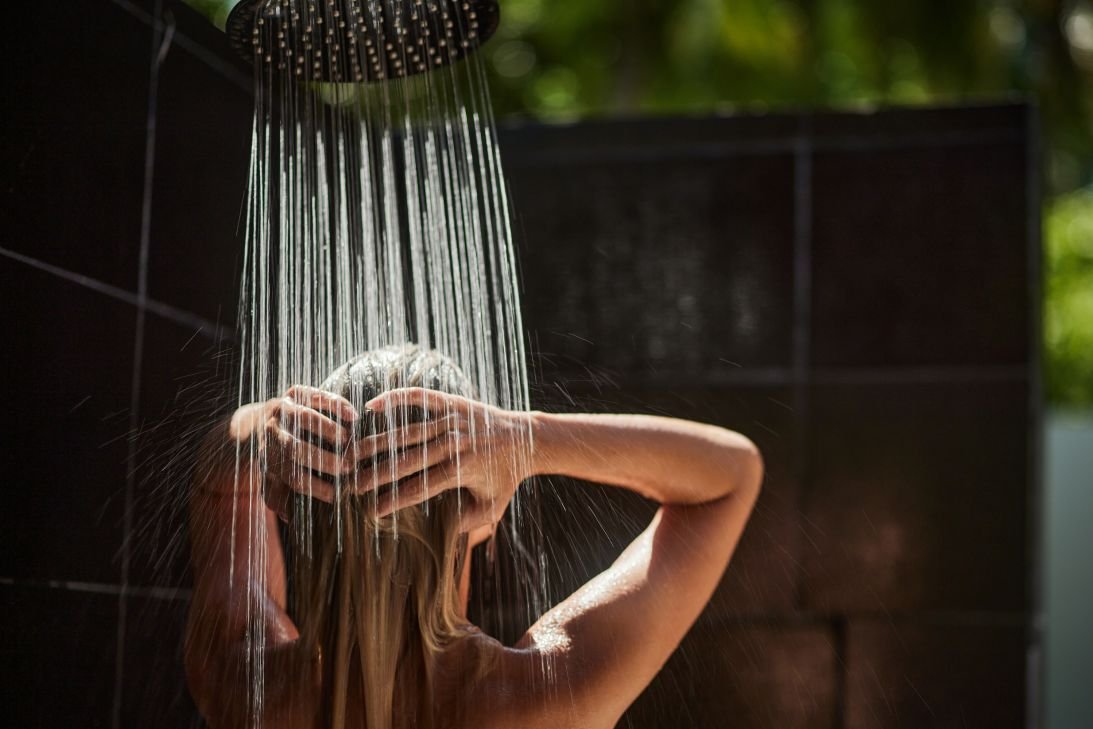
During the scorching summers sweeping across Europe, many people have a habit of jumping into a cold shower immediately after getting home to escape the heat. The instant cooling sensation as icy water hits the skin leads to a common belief that the colder the water, the better the cooling effect. However, Spanish pharmacist Álvaro Fernández warns that this practice can actually be counterproductive, causing the body to feel even hotter after a brief period of coolness.
The Body’s Thermoregulation: Why Cold Shocks “Trap” Heat
Fernández explains that the human body has a sophisticated temperature regulation system. When the skin is suddenly exposed to cold water, the body interprets it as a dangerous signal of rapid heat loss. In response, it initiates a ‘self-protection’ mechanism by constricting blood vessels on the skin’s surface to reduce blood flow, thereby conserving heat in the core.
Although this process provides an initial intense feeling of coolness, it’s usually short-lived. Once the shower ends, the heat accumulated inside the body radiates back to the surface. Since the effects of vasoconstriction have not yet fully subsided, heat dissipation is actually less efficient, leading many to experience a more intense feeling of stuffiness and discomfort than before the shower.
Expert-Recommended Scientific Cooling Strategies
In response to this physiological phenomenon, experts recommend a more scientific approach to showering in hot weather: using lukewarm or slightly cool water. Unlike the intense shock of cold water, water close to body temperature helps the body dissipate heat more gently and effectively without triggering its emergency ‘heat-trapping’ response. This gradual cooling method is better for maintaining long-term temperature stability and provides more lasting comfort.
Comprehensive Heat-Prevention Measures: A Guide to a Safe Summer
Besides adjusting your showering habits, experts also emphasize other comprehensive measures to prevent heat-related illness. During periods of extreme heat, the public should take note of the following:
- Stay Hydrated: Drink plenty of water throughout the day to replace fluids lost through sweating.
- Avoid Peak Heat Hours: Try to avoid prolonged outdoor activities during the hottest part of the day, typically from noon to late afternoon.
- Dress Appropriately: Wear lightweight, loose-fitting, breathable, and light-colored clothing to facilitate sweat evaporation and natural body cooling.
As climate change leads to more frequent extreme heat events globally, understanding scientific cooling methods is more important than seeking a moment of ‘quick relief.’ By choosing the right strategies, you can navigate the long summer safely and healthily.
