Spain’s national railway system faced a massive service disruption this Monday. Due to a 24-hour strike called by the railway union, Spain’s national railway company, Renfe, canceled a total of 320 trains, including high-speed (AVE), medium and long-distance, and suburban commuter services. This strike is the first of two protests planned by the union for the summer, causing a significant impact on the nation’s rail transport.
First Day of Strike: National Rail Capacity Significantly Reduced
According to the minimum service standards released by Spain’s Ministry of Transport and Sustainable Mobility, the strike has affected different lines to varying degrees:
- High-speed (AVE) and long-distance lines: Services were maintained at 73% capacity, with 262 trains running as scheduled.
- Medium-distance lines: Services were maintained at 65% capacity, with 420 trains continuing to operate.
- Suburban lines (Cercanías): Most severely affected, with overall services reduced to 50%. Capacity was temporarily increased to 75% only during three peak periods: from 6:00 AM to 9:00 AM, 1:30 PM to 4:00 PM, and 6:30 PM to 8:30 PM.
Passenger Impact and Renfe’s Response
On the day of the strike, Renfe announced via social media in the morning that the actual participation rate was “low” and that commercial train services were running “normally” in the initial hours, with no unexpected cancellations.
For passengers whose travel was affected, Renfe has promised to provide solutions. Passengers can choose to reschedule their journey to the next available service for free or request a full refund through official channels, with no additional charges.
Escalating Labor Dispute: Freight Business Becomes the Flashpoint
The core of this labor conflict revolves around the future of Renfe’s freight subsidiary. The railway union accuses company management of “deliberately abandoning” the freight business and explicitly opposes the company’s plan to form a joint venture for freight operations with Medway, a subsidiary of the Mediterranean Shipping Company (MSC).
The union claims that the Ministry of Transport failed to honor the agreement reached on November 23, 2023, to call off a previous strike, and that Renfe also violated a related agreement from March 2024. The union believes the company is continuously reducing the workload of the freight subsidiary, thereby eroding the protection of employees’ rights.
Specific Disputes: Outsourcing and Workshop Closure Fuel Discontent
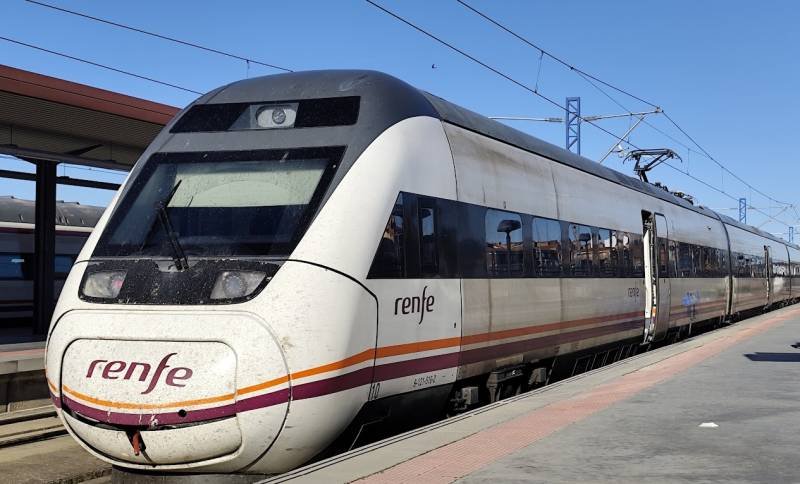
To support its accusations, the union cited two specific controversial incidents:
- Outsourcing: The company recently decided to outsource the maintenance of 65 series 333.3 locomotives to a third-party company, a task previously handled by Renfe’s own engineering and maintenance technicians.
- Facility Closure: The company announced the permanent closure of the vehicle maintenance workshop in Miranda de Ebro, in the province of Burgos.
The union argues that these actions show the company is systematically stripping away its own technical capabilities and human resources under the guise of seeking a “strategic partner,” worsening the situation for its employees.
Outlook: Second Strike Planned for July 15
The union has made it clear that if management and the Ministry of Transport fail to provide a substantive solution to the issues soon, a second 24-hour strike will proceed as planned on July 15. This date coincides with the peak of Spain’s summer holiday and tourist travel season, potentially causing inconvenience to a much larger number of travelers.
