Strategic Deterrence and International Alliances
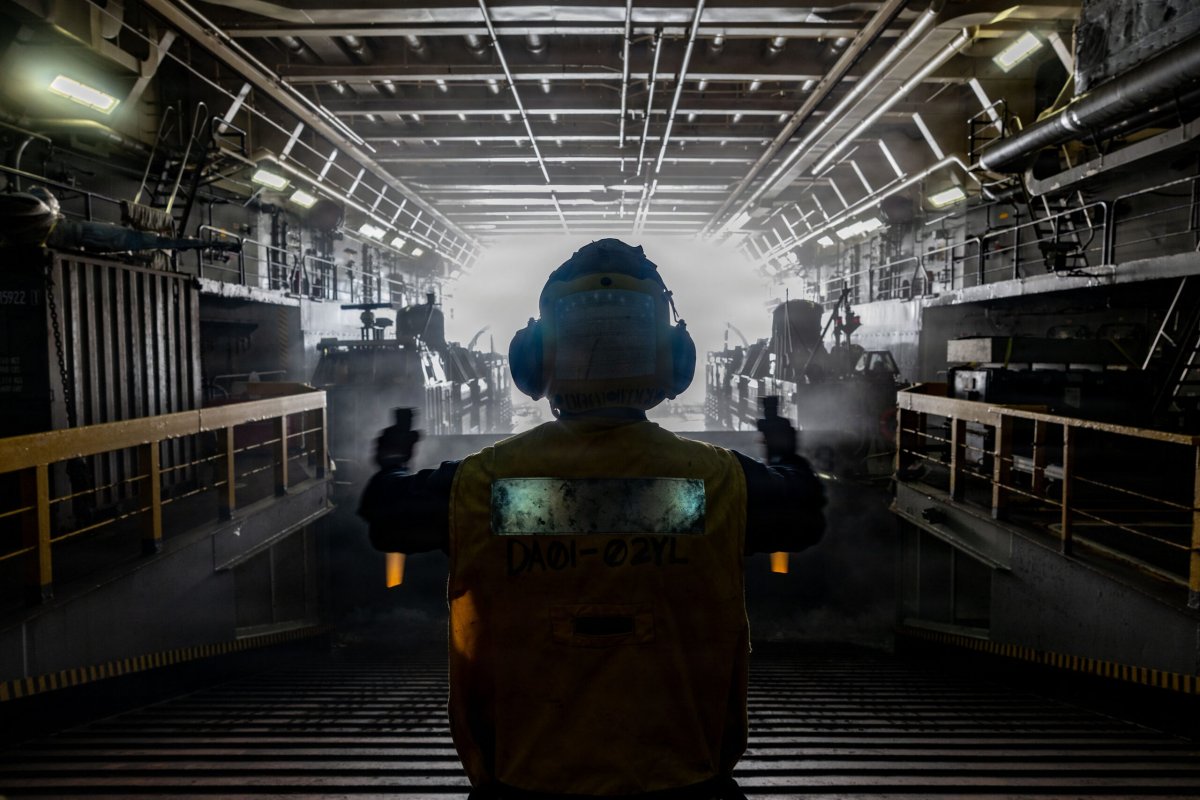
In the current complex geopolitical landscape, Spain’s defense policy is centered on strong strategic deterrence. The Ministry of Defence believes that having a well-equipped, well-trained, and modern military is the most effective way to deter potential threats. As a member of NATO and the European Union (EU), Spain has long relied on the collective defense framework as its first line of national security. Furthermore, in response to changes in the international situation, Spanish officials have increasingly emphasized the importance of European strategic autonomy, publicly calling for the acceleration of an independent European joint defense force to ensure swift and effective diplomatic and military responses in coordination with allies during a crisis.
Leveraging Geography: A Focus on Air and Sea Defense
Spain’s unique geographical position on the Iberian Peninsula, connected to mainland Europe via France and separated by the natural barrier of the Pyrenees mountains, significantly reduces the risk of a large-scale ground invasion. Consequently, the nation’s defense focus has shifted comprehensively to its seas and skies. To protect its nearly 8,000-kilometer coastline and keep potential threats at bay, the Spanish military is accelerating the modernization of its arsenal. This includes acquiring advanced long-range strike systems like the South Korean K9 Thunder self-propelled howitzer, aiming to establish a “standoff” coastal defense model. This approach replaces traditional close-range beach combat with precision-guided fire, drastically enhancing coastal defense capabilities.
A Three-Tiered Air Defense Interception System
To counter modern aerial threats such as missiles and drones, Spain has deployed a sophisticated, multi-layered air defense network for all-weather, comprehensive national air protection. This system is composed of three tiers of firepower: long, medium, and short range.
- Long-range defense: Handled by the American-made Patriot air defense missile system, which is used to intercept high-altitude, long-distance ballistic missiles and aircraft.
- Medium-range defense: Undertaken by the Hawk missile system, which serves as the backbone, filling the firepower gap between long-range and short-range systems.
- Short-range defense: Covered by the Mistral man-portable air-defense system, responsible for terminal defense against low-flying aircraft, helicopters, and drones.
These three systems work in coordination to form a dense, three-dimensional air defense interception network, greatly increasing the survivability of critical targets and urban areas.
A Three-Layered Defense: Active Duty, Reserves, and National Mobilization
Spain’s defense strength relies not only on advanced weaponry but also on a solid foundation of personnel. The country currently has approximately 112,000 active-duty military personnel and 25,000 reservists, who serve as the nation’s deterrent in peacetime and its core fighting force in times of conflict. In extreme circumstances, Spain’s defense system has a final line of defense. According to Article 30 of its Constitution, the government has the legal authority to mobilize all citizens of military age to participate in the defense of the homeland. This constitutional mandate means that when national sovereignty is under severe threat, Spain can initiate a national mobilization. This three-tiered defense model, comprising international alliances, a professional military, and national mobilization, collectively forms the cornerstone of Spain’s strategy to defend its national integrity.
