The Great Divide from Farm to Table
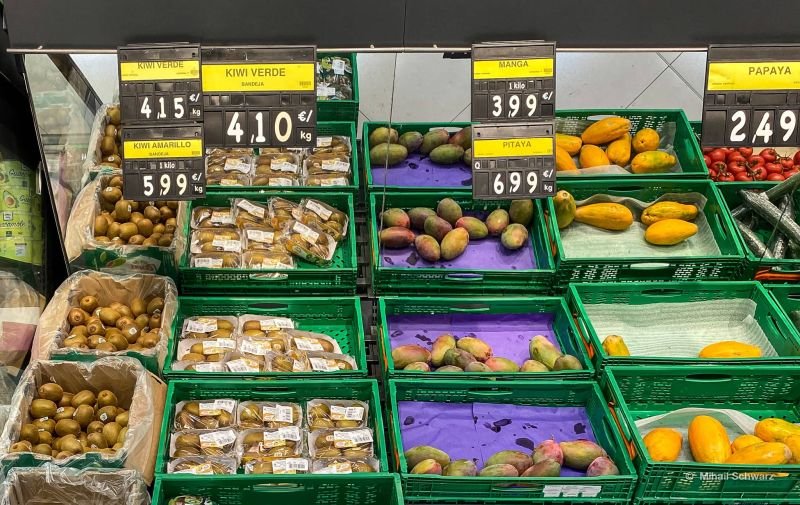
Recently, on a Spanish podcast called “Zona regable,” Juan Francisco Rodríguez Chamorro, a farmer from Extremadura, detailed the existential crisis facing Spanish agriculture. He used rice as an example, noting that over the past year, farmers received a purchase price of just 38 euro cents (€0.38) per kilogram, while consumers pay up to €2.50 for the same rice in supermarkets. He also mentioned that a kilogram of fruit can sell for up to €5, and a single watermelon can cost as much as €8, figures that starkly illustrate the staggering price gap from producer to retailer.
Unfair Competition Under Double Standards
Chamorro harshly criticized EU-level policies. He argues that while Europe imposes strict production standards on its own farmers, such as banning many effective plant protection products, which increases production costs and difficulties, it simultaneously signs free trade agreements with third countries, allowing large quantities of agricultural products to flood the European market. He angrily pointed out that the countries of origin for these imports often lack similarly strict production regulations and may even use ‘slave labor’ with daily wages as low as €2. This highly unequal competitive environment leaves Spanish products, which adhere to high standards, at a significant price disadvantage, directly impacting and devastating the country’s primary sector.
A Toothless Law and Misleading Labels
Regarding Spain’s current Food Supply Chain Law, Chamorro believes that while its intentions—to protect farmers’ interests—are good, it is difficult to enforce effectively in reality. He explained that because the cost of importing foreign agricultural products is extremely low (‘costing just a few cents’), buyers naturally gravitate towards the cheaper imports, thus bypassing the law’s constraints on the domestic supply chain. Even more deceptive is the chaos of labeling in the market. He revealed that many rice packages sold in Spain feature a prominent Spanish flag, leading consumers to believe the product is domestic. However, the flag often only signifies that the product was ‘packaged in Spain,’ while the raw rice likely comes from another country. This practice seriously misleads consumers.
Blaming Giant Monopolies and Policy Failures
In Chamorro’s view, the root of the current crisis lies with a few large commercial giants that control the market and capture the vast majority of the profits in the supply chain. He stated bluntly that the huge price difference from the field to the supermarket shelf benefits neither the producer nor the consumer, but instead flows into the pockets of these intermediaries. At the same time, he holds Spanish and EU-level administrative bodies and political parties responsible, arguing that it is their tolerance of these unfair business practices and trade policies that has continually squeezed the livelihood of local farmers.
