Spain Introduces a Deposit-Return System (DRS) for Beverage Containers
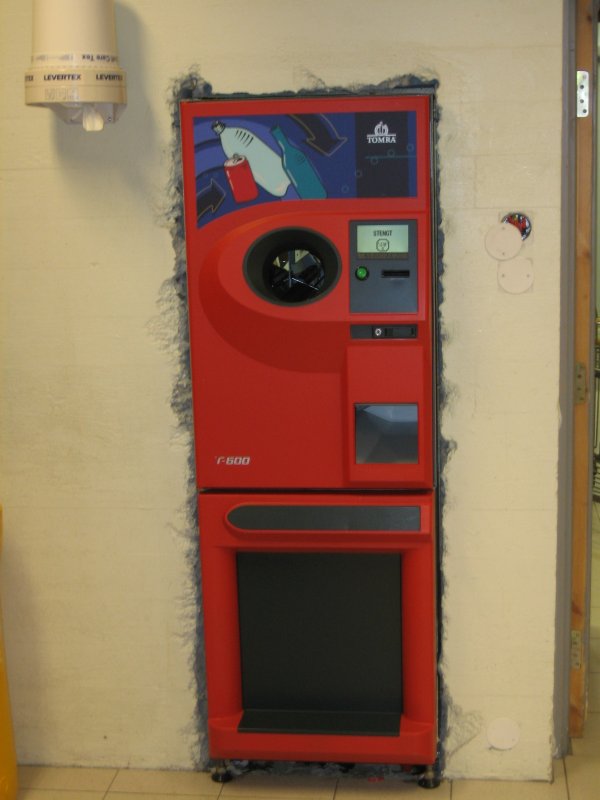
In accordance with a new decree announced by the Spanish government around July 1, 2026, and in response to EU environmental directives, Spain will implement a mandatory new “Deposit, Return, and Refund System” (Sistema de Depósito, Devolución y Retorno, or SDDR) nationwide. This regulation applies to all hospitality businesses (such as bars and restaurants) and supermarkets, aiming to increase the recycling rate of beverage containers.
Core Mechanism of the New Regulation
Under the requirements of the SDDR system, when selling any bottled or canned beverage (including mineral water, soft drinks, beer, etc.), businesses must charge customers a specific “container deposit” in addition to the product’s price. When the customer finishes the drink and returns the empty bottle or can to the point of sale, the business is obligated to refund the full deposit. This mechanism aims to encourage consumer participation in recycling through economic incentives.
Operational Impact on the Hospitality and Retail Industries
The implementation of this new regulation will fundamentally change the traditional transaction processes in Spain’s hospitality and retail sectors. For businesses, the impact extends far beyond simple container collection, involving significant financial and operational adjustments:
- Increased Accounting Complexity: For every transaction involving a bottled beverage, the cash register system must be able to itemize and account for the deposit separately. This requires merchants to update their point-of-sale (POS) systems and accounting procedures.
- Changes to Checkout Procedures: The checkout process will need to differentiate between the product price and the deposit. If a customer consumes the drink on-site and leaves the empty container, the cashier will have to process an immediate deposit refund during the final settlement, adding to operational complexity.
- Stricter Compliance Requirements: The new rule means that financial management in the hospitality industry must become more detailed and transparent. Vague accounting practices of the past will no longer be acceptable. Businesses must ensure that the entire process of charging, recording, and refunding deposits is fully compliant.
Concerns from Industry Associations
This policy has drawn significant attention from the Spanish hospitality industry. Various trade organizations, including the Spanish Hospitality Association (Hostelería de España), have expressed that the new regulation will impose a considerable operational burden and cost pressure on businesses. They worry that adapting to this complex system will be a severe test for small and medium-sized enterprises (SMEs), especially given the existing economic challenges, and they call for the government to provide an adequate transition period and support measures.
Outlook and Compliance Preparation
The rollout of the SDDR system is part of a broader European environmental strategy aimed at promoting a circular economy and reducing waste. Hospitality and retail operators across Spain must acknowledge this trend and begin preparations immediately. It is recommended that businesses preemptively assess their current checkout and management systems, train staff on the new procedures, and re-plan their space to handle the collection and storage of empty containers. This will ensure a smooth transition when the regulation takes full effect and help avoid non-compliance risks.
