Hello everyone, I’ve noticed more and more students on the forum asking about medical-related programs lately, and it’s great to see everyone thinking so thoughtfully about their future. A few years ago, I helped a friend research rehabilitation programs in Spain, so today I’m starting this thread to discuss two fantastic fields: physical therapy and occupational therapy. Hopefully, this can be a helpful reference for you.
First, let’s be clear: rehabilitation therapy in Spain is mainly divided into two branches: Physical Therapy and Occupational Therapy. In simple terms, a physical therapist focuses more on using physical methods to restore a patient’s physical function and mobility. An occupational therapist, on the other hand, concentrates on helping patients regain their ability to perform daily living, work, and recreational activities, often by designing purposeful ‘occupational’ tasks for training. Both are incredibly meaningful and highly specialized fields.
So, why study rehabilitation in Spain? The quality of education at public universities here is excellent, and the tuition fees are much more affordable compared to countries like the UK and the US. Most importantly, rehabilitation medicine in Spain places a strong emphasis on practical experience. You’ll have numerous internship opportunities during your studies, allowing you to graduate with solid clinical skills. For any medical field, this is truly a core competitive advantage!
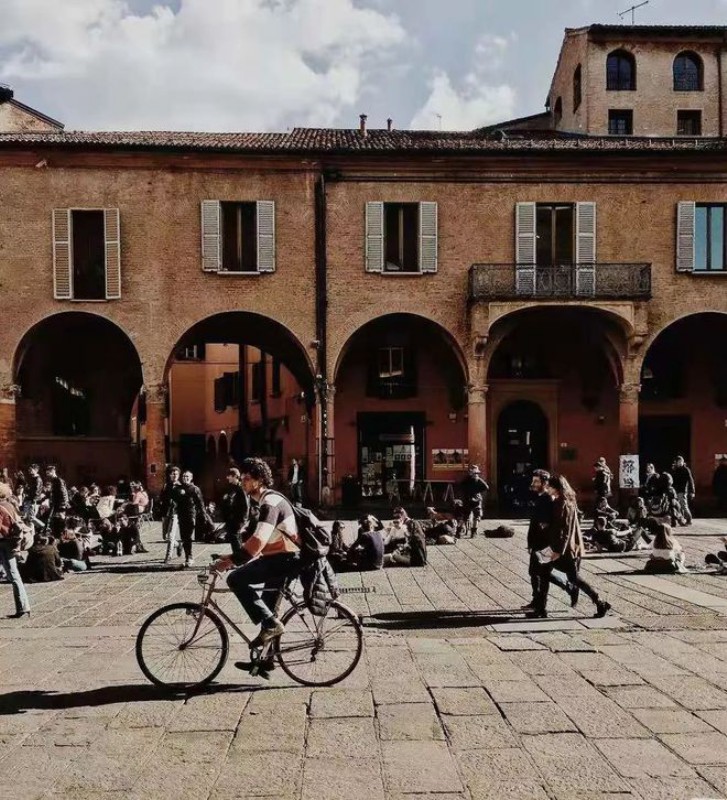
Which Universities Are Worth Considering?
When choosing a university, while overall rankings are a factor, the program-specific rankings and curriculum are more critical. You can find a comprehensive list of Spanish universities for master’s in rehabilitation therapy, but I’ve also highlighted a few public universities below that have a particularly strong reputation in this field:
| University Name | City | Program Strengths/Features |
|---|
| Complutense University of Madrid | Madrid | Strong overall reputation, extensive clinical resources |
| University of Barcelona | Barcelona | Strong research capabilities, highly international |
| University of Salamanca | Salamanca | Rich history, renowned for its Occupational Therapy program |
| University of Granada | Granada | High value for money in its Physical Therapy program |
Finally, let’s touch on applications and employment. Both of these programs are considered a profesión regulada (regulated profession) in Spain, meaning you must be registered to practice after graduation, which speaks to the high value of the degree. To apply for an undergraduate program, international high school graduates will need to have their grades converted to the Spanish system, and there are specific requirements for scores in subjects like math, physics, chemistry, and biology. As for language, a B2 level in Spanish is the basic requirement, but a C1 level will give you a significant advantage for smooth communication during clinical internships and in your future career.
I know I’ve been rambling a bit, but I hope this has been helpful for those of you choosing a university. If there’s anything incorrect in this post, or if any current students or alumni have more to add, please feel free to join the discussion and share your insights!
