While visiting the Prado Museum recently, I saw a painting undergoing restoration, with a video explaining the process. I was instantly fascinated by the profession of a ‘cultural heritage restorer’! They seem like doctors of time, using their exquisite skills and extensive knowledge to bring dusty artistic treasures back to life. I later did some research and discovered that many Spanish universities offer a major called ‘Conservación y Restauración de Bienes Culturales.’ It feels like a hidden gem, and today I want to dive deep into this topic with you.
Why study cultural heritage restoration in Spain? It’s easy to see why. From ancient Roman ruins and Moorish palaces to Golden Age paintings and sculptures, this land is teeming with ‘patients’ waiting to be ‘saved.’ The cultural heritage resources here are a living, three-dimensional textbook, offering students access to a far richer and more profound range of cases than they could ever learn from books alone. In such an environment, theory and practice are perfectly combined.
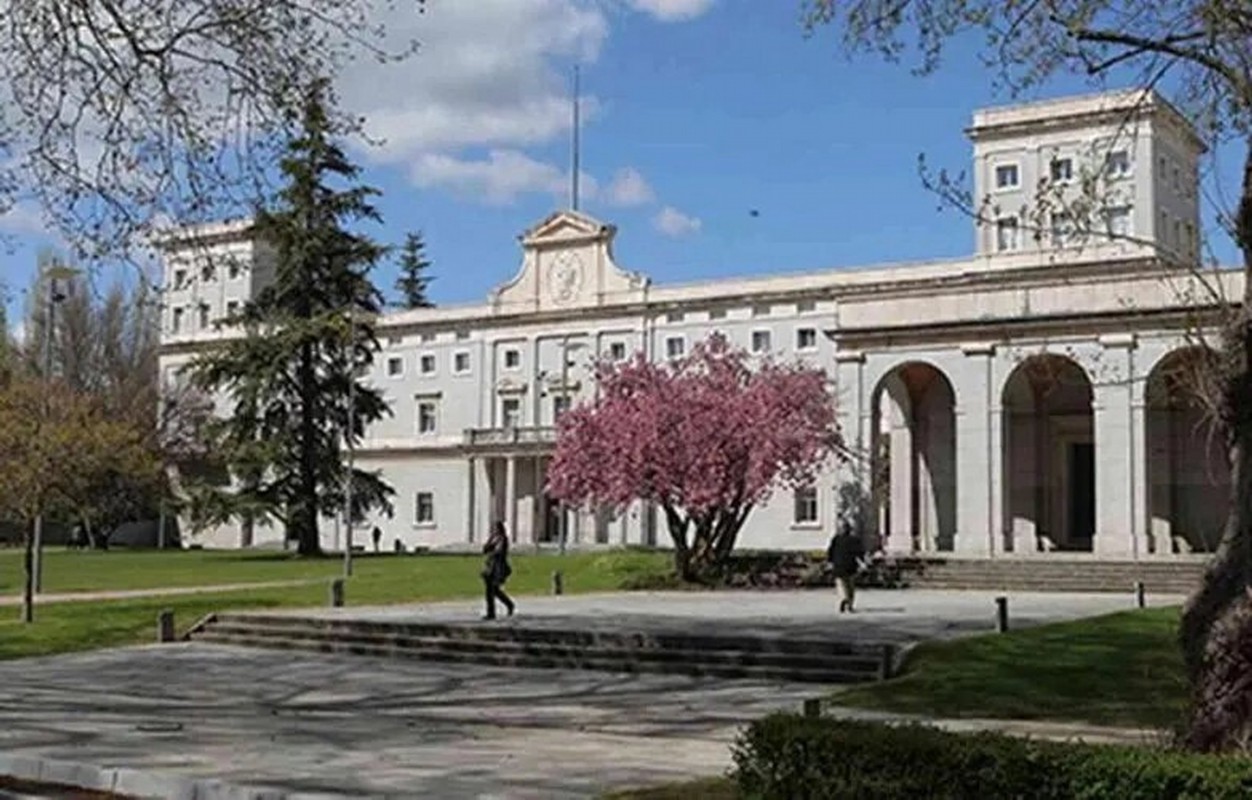
Which Universities Are Worth Considering?
When it comes to cultural heritage restoration, several Spanish universities are recognized as top-tier. For example, the Complutense University of Madrid (UCM) and the Polytechnic University of Valencia (UPV) are leading institutions in this field. UCM has a long history and focuses more on traditional art forms, such as the restoration of paintings, sculptures, and archaeological materials. UPV, on the other hand, has an edge in technological applications, with notable expertise in the conservation and restoration of paper documents, textiles, and modern art materials. Here is a simple table for comparison:
| University | Full Degree Name | Specializations & Focus |
|---|
| Complutense University of Madrid | Grado en Conservación y Restauración del Patrimonio Cultural | Painting, sculpture, archaeological materials, traditional techniques |
| Polytechnic University of Valencia | Grado en Conservación y Restauración de Bienes Culturales | Paper documents, textiles, modern art, scientific analysis |
| University of Seville | Grado en Conservación y Restauración de Bienes Culturales | Andalusian regional focus, specializing in wood sculpture, religious art |
What Exactly Do You Study in This Major?
Don’t think this major is as simple as an art student’s painting class; it’s entirely different from pure artistic creation. In reality, it’s a highly interdisciplinary field that blends science, art history, and manual craftsmanship. The first year typically starts with foundational courses in chemistry, physics, and biology to help you understand the composition, properties, and principles of deterioration of various materials. Only then do you delve into art history, iconography, restoration ethics, and theories of various restoration techniques, as detailed in these university rankings for cultural heritage restoration in Spain. Hands-on practical work is the absolute centerpiece of the program. From making plaster models and identifying pigments to personally treating real paintings or artifacts, every step demands immense patience, precision, and respect for the original work. A friend in this program told me their final exam might involve spending weeks in a lab performing ‘surgery’ on an ailing artifact—incredibly stressful but also immensely rewarding.
Career prospects after graduation are broader than you might think. The most direct path is to become a professional restorer at major museums, art galleries, archives, or archaeological centers. Alternatively, you could work in private restoration studios or offer appraisal and restoration consulting services to auction houses, galleries, and private collectors. This is a craft where experience is highly valued, making it a ‘profession where the older you get, the more valuable you become.’ In short, if you have a great passion for history and art and aren’t afraid of dealing with chemical formulas and precision instruments, then the cultural heritage protection major at Spanish universities is definitely worth your serious consideration. Are there any students in this program or friends with knowledge of it here in the forum? We’d love for you to share your experiences and insights!
