The Spanish government has announced that the much-anticipated ‘Deposit, Return, and Refund System’ (Sistema de Depósito, Devolución y Retorno, or SDDR) will be officially implemented nationwide starting this November. This new policy aims to significantly increase the recycling rate of beverage packaging through economic incentives to address pressing environmental challenges.
Policy Background: Responding to EU Environmental Targets
The impetus for this system is Spain’s persistent underperformance in packaging waste recycling. Official data shows that in 2023, Spain’s recycling rate for beverage bottles and cans was only 41.3%, far below the mandatory 70% target set by the EU. Facing pressure from Brussels and growing domestic environmental concerns, the Spanish government aims to replicate the success of countries like Germany (over 98% recycling rate) and Norway (over 97% recycling rate), using the SDDR system to boost its national rate to above 90%.
How the Deposit System Works
For consumers, the process is straightforward. When purchasing eligible beverages, a deposit of approximately 10 cents per container will be automatically added to the total price and listed separately on the receipt. After consumption, consumers can return the intact empty bottle or can, with a clear barcode, to any participating supermarket, convenience store, or designated collection point. After the container is scanned by a reverse vending machine, the consumer will receive a voucher that can be exchanged for cash at the checkout or used as a credit towards their purchase.
Scope and Business Impact
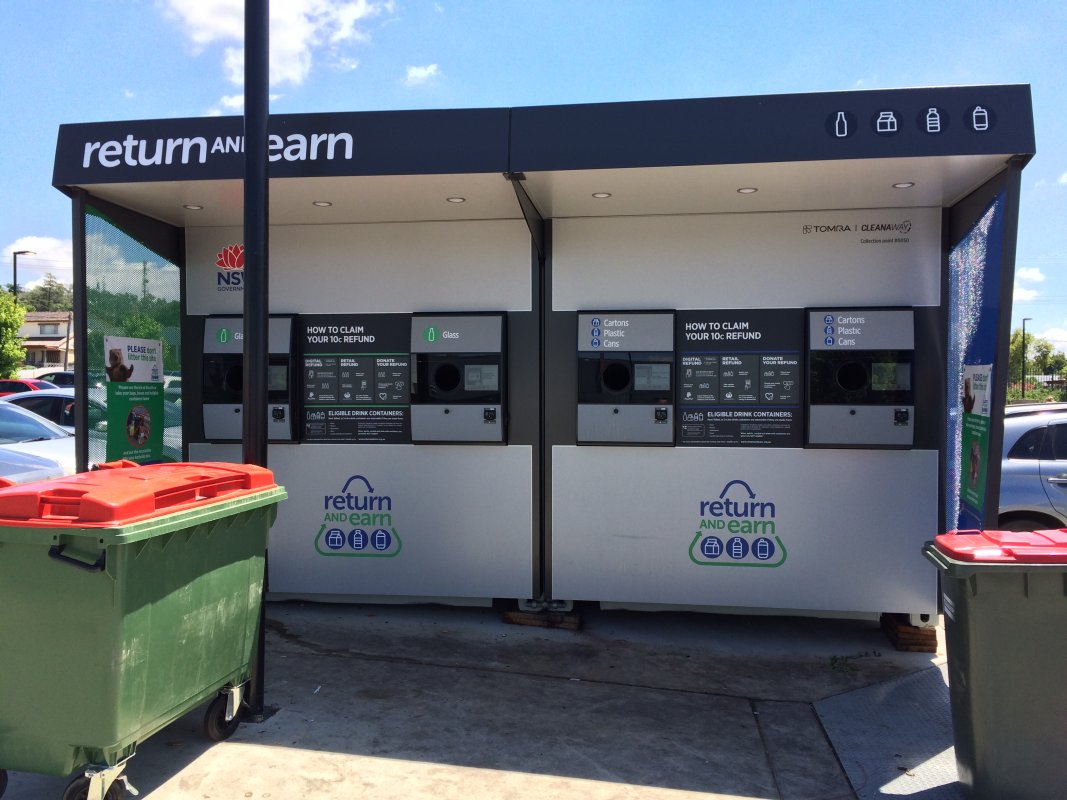
According to the regulations, the new system will initially cover plastic bottles, aluminum cans, and glass bottles with capacities from 0.1 to 3 liters, including most mineral water, carbonated drinks, juices, and beers on the market. It is important to note that this deposit is not a tax, but a fully refundable security deposit.
For business operators, the impact will vary depending on the context:
Hospitality Sector: Bottled beverages consumed on-site in restaurants or bars will not be affected, as establishments will continue to handle their recycling. However, for take-away (para llevar) bottled or canned drinks, the deposit must be charged to the consumer as required.
Retail Sector: Large supermarkets and retailers will need to invest in installing reverse vending machines and adjust their storage and logistics. The compliance process for smaller convenience stores will be simpler, potentially only requiring them to set up collection bins and register with the system operator. All businesses selling these products, regardless of size, are obligated to accept returned empty containers, even if the item was not purchased at their store.
While this policy will undoubtedly present initial adaptation costs and operational pressures for businesses, in the long run, it is considered a crucial step towards advancing Spain’s circular economy and achieving sustainability goals.
