Recently, a pre-cooked, packaged fried egg product launched by the well-known Spanish supermarket chain Mercadona has caused a stir on social media and among consumers. The product precisely targets the fast-paced demands of modern life but has also come under fire for environmental concerns.
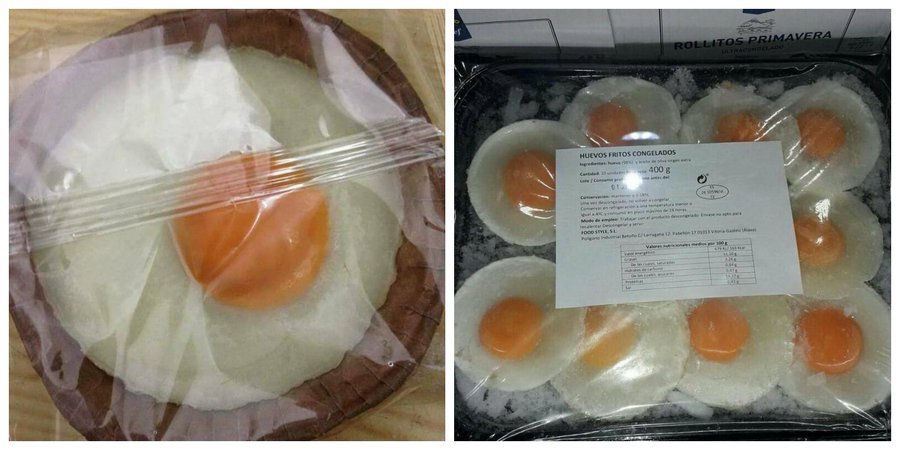
1. The Birth and Market Reaction of a ‘Viral’ Product
This high-profile product consists of ready-to-eat fried eggs, sold in packs of two for €1.80. Upon its launch, it quickly attracted busy professionals and consumers reluctant to cook. Its convenience led to immense popularity, with reports indicating annual sales in the millions of units across Spain, making it a phenomenal ‘viral’ item. However, this huge success has also been met with strong opposition.
2. Environmental Controversy: Accusations of Excessive Packaging
The main point of contention is its packaging. Environmentalists and some consumers have strongly criticized the excessive use of plastic, arguing that creating so much plastic waste for a food item that can be easily made at home is environmentally irresponsible. This wave of criticism has led to real market consequences: under intense public pressure, Mercadona has removed the product from its shelves in some regional stores.
3. The Founder’s Response: Two Decades of R&D and a Future Promise
Facing the controversy, product founder Javier Yzuel shared the story behind it in an interview. He explained that the idea first originated in 1998, aiming to provide convenience for people with increasingly fast-paced lifestyles. After two decades of research and development, the product was finally patented and brought to market in 2014. Addressing the environmental criticism, Yzuel acknowledged the current packaging issues and promised that his team is actively developing a new packaging solution using more eco-friendly and sustainable materials to address public concerns.
4. Unique Technology and Business Prospects
Beyond convenience, the product’s technical features are a key competitive advantage. According to Yzuel, it uses a special processing technology that allows it to be stored in the refrigerator for up to 18 months without any preservatives. This feature has not only attracted individual consumers but has also captured the attention of the food service industry. Many fast-food restaurants see this standardized, ready-to-eat product as a way to significantly improve service speed, offering a stable, healthy, and efficient solution for handling large volumes of orders, thus showing significant B2B commercial potential.
