Extreme Heat Impacts Daily Life: Agricultural Losses and Frequent Accidents
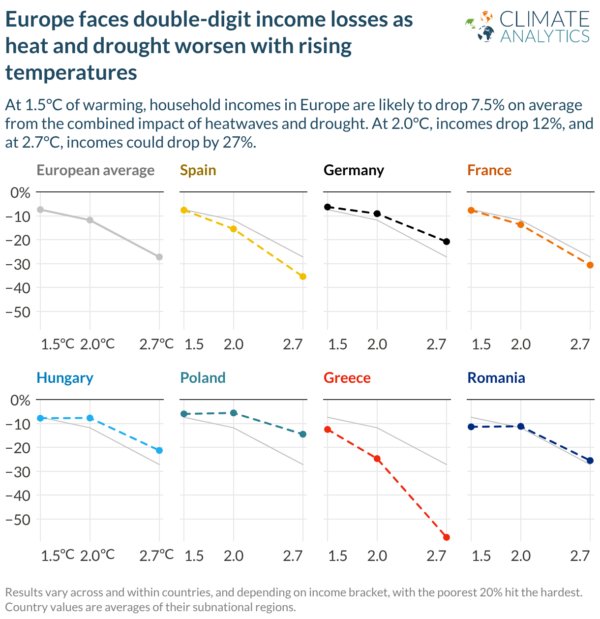
During the summer of 2026, Spain has been hit by multiple heatwaves, significantly impacting society and daily life. In the agricultural sector, Spanish farming organizations Asaja, COAG, and UPA have warned that the high temperatures are extremely detrimental to the growth of various crops, including wheat, corn, tomatoes, melons, and grapes, heightening the risk of reduced yields. Specifically, grain production in regions like Castile and León and Aragon is expected to drop by 34.4% to 50% compared to last year. In Extremadura, corn and tomato crops, currently in their critical pollination phase, face severe production losses due to the heat, with estimated economic damages reaching up to €45 million. The livestock industry has not been spared either, as high temperatures slow animal growth, with rabbit farm output already down by about 20%.
The hot weather has also exacerbated public safety risks. Statistics show that in June 2026, the number of drowning deaths nationwide in Spain reached a staggering 92 people. As temperatures climb, more people are heading to beaches, pools, and rivers to cool off, leading to a surge in drowning incidents. Beaches are the primary location for these accidents, accounting for more than half of the total deaths (47 people). Regionally, Galicia has been the most affected area, with 25 drowning incidents. Neighboring France also experienced scenes of chaos as people rushed to buy fans in supermarkets, highlighting the widespread impact of this heatwave across Europe.
Shifts in the Energy Landscape: Diesel Import Pivot Draws Attention
Since the EU banned the import of Russian refined oil products in 2023, Spain’s energy import structure has undergone a profound change. Data reveals a significant increase in diesel imports from Morocco, Turkey, and Singapore, which are now becoming Spain’s primary sources of diesel. Between 1995 and 2023, Russia was a major supplier of diesel to Spain, accounting for approximately 10% of its total imports.
Analysts suggest this new trade pattern may involve ‘trade triangulation,’ where some countries import Russian crude or refined oil for processing and then re-export it to the EU market, formally circumventing the sanctions. Despite skepticism about these practices, the Spanish government states that current import activities have not been found to violate EU sanction regulations, and all imported fuel complies with existing laws and origin requirements. However, this phenomenon also exposes potential loopholes in the current sanctions regime.
Largest Travel Operation on Record: Transport System Faces Summer Test
With the summer holidays underway, Spain’s transport system is facing an immense challenge. Spain’s General Directorate of Traffic (DGT) officially launched the first ‘Mass Departure Operation’ (Operación Salida) of the year at 3:00 PM on July 3, 2026, running until midnight on July 5. Officials estimate that long-distance road trips will reach approximately 4.8 million during the first weekend alone.
Throughout July and August, the total number of road trips in Spain is projected to exceed 104 million, a 3.7% increase from the same period last year. To manage the travel peak, the DGT has deployed special traffic management measures nationwide and plans to crack down on offenses such as speeding, drunk driving, and drug-impaired driving during the summer. Furthermore, this summer marks the first time that the use of V-16 electronic emergency lights is mandatory for broken-down vehicles, and the 018 helpline for traffic accident victims has been launched to enhance road safety. Transport authorities are advising drivers to plan their journeys in advance and drive safely to ensure a smooth and orderly summer travel period.