When I first arrived in Spain, I thought that after so many years of studying Spanish back home and with a DELE C1 certificate under my belt, daily conversations would be a breeze. But when I actually enrolled in the Hispanic Philology program at a Spanish public university, I realized I was too young, too simple. This was nothing like an ‘advanced Spanish class with a native speaker’; it was a whole new world.
What is a Hispanic Philology Major Really Like?
First things first, a university-level Spanish major isn’t about teaching you how to ‘speak’ Spanish; it’s designed to train you as a researcher. The curriculum is centered on linguistics and literature. You’ll study Latin, Medieval Spanish Literature, Golden Age Literature, Phonetics, Morphology, Syntax… and forget about multiple-choice questions on final exams. It’s all endless essays and analytical questions. So much for the joy of multiple-choice questions.
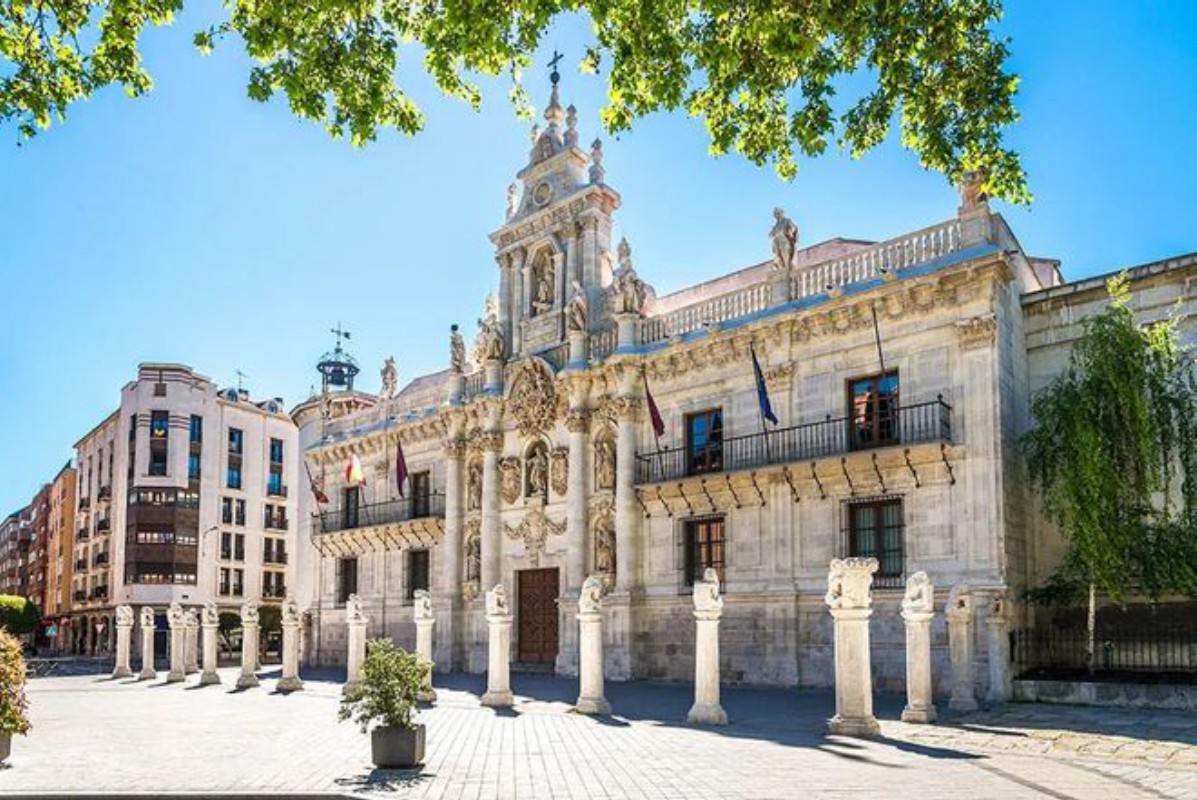
Language School vs. University Major
To give you a clearer picture, here’s a simple comparison table. These two are completely different paths:
| Aspect | Language School | Hispanic Philology Major |
|---|
| Goal | Rapidly improve speaking, listening, reading, and writing skills; prepare for DELE/SIELE exams | Systematic academic research; deep dive into the language and literature itself |
| Curriculum | Grammar, vocabulary, daily conversation, exam techniques | Linguistics, Phonology, Morphology, Literary History, Literary Criticism |
| Assessment | Quizzes, standardized level tests | Final written exams, academic papers |
| Best Suited For | Beginners or those seeking short-term language immersion | Students with a deep interest in Spanish, aiming for academic or specialized careers |
Is This Major Worth It?
The answer is: It’s a painful yet rewarding journey
!
The process is undoubtedly tough, especially for those of us at Spanish public universities
whose native tongue isn’t a Romance language. But the rewards are immense. You no longer just ‘use’ the language; you truly understand its structure, history, and soul. You’ll grasp why different regions of Spain have different accents and be able to appreciate the satire behind the original text of Don Quixote. This level of cultural insight is something no crash course can provide.
Career prospects after graduation are also broader than you might imagine. Beyond traditional roles like translation and teaching, many classmates have gone into the publishing industry, cultural exchange organizations, tourism, or work in the international marketing departments of corporations. This is because the major, offered at top institutions like public universities in Madrid, cultivates strong text analysis, logical reasoning, and cross-cultural understanding skills, which are all crucial soft skills. Are there any alumni from the same major here in the forum? Or any prospective students struggling with their decision? Feel free to share your thoughts and let’s discuss!
