Climate Change Fuels the Spread of “Flesh-Eating Bacteria”
As global warming continues, the Mediterranean has become one of the fastest-warming seas in the world. Recently, water temperatures in some areas have approached 30°C, creating an ideal breeding ground for a bacterium called Vibrio vulnificus. This bacterium naturally occurs in warm marine or brackish waters and was previously found mainly in higher-latitude seas like the Baltic and North Seas. Its range is now expanding southward into the Mediterranean.
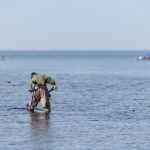
Two Main Routes of Infection and Symptoms
The European Centre for Disease Prevention and Control (ECDC) and the European Food Safety Authority (EFSA) have identified two primary ways people can get infected:
- Wound Exposure: When an open wound on the skin—such as a cut, scrape, surgical incision, or even a new tattoo—comes into direct contact with contaminated seawater, the bacteria can invade rapidly. This can lead to severe skin and soft tissue infections, like necrotizing fasciitis, characterized by redness, swelling, severe pain, and rapid tissue death around the wound.
- Foodborne Infection: Consuming raw or undercooked shellfish (especially oysters) contaminated with the bacteria can cause gastrointestinal illness. Symptoms include diarrhea, abdominal pain, nausea, vomiting, and fever.
Severity of Infection and High-Risk Groups
While healthy adults who get infected often experience mild symptoms or recover, Vibrio vulnificus infection poses a serious threat to certain groups. According to the U.S. Centers for Disease Control and Prevention (CDC), about one in five people with a severe infection dies, sometimes within just one or two days of becoming ill.
The following groups are considered at high risk for infection and developing severe illness:
- Older adults
- People with chronic liver disease (such as cirrhosis)
- People with diabetes
- Individuals with weakened or compromised immune systems
It is important to note that Vibrio vulnificus infection does not spread from person to person; humans are considered accidental hosts.
Official Health Advice and Preventive Measures
To address the growing risk of infection, health experts offer the following recommendations:
- Avoid exposing wounds to seawater: If you have an unhealed wound, you should avoid swimming or wading in the sea. If contact is unavoidable, cover the wound properly with a waterproof dressing.
- Thoroughly cook seafood: When eating shellfish, ensure it is fully cooked. Avoid consuming it raw.
- Seek prompt medical attention: If you develop symptoms such as unusual redness, pain, or swelling at a wound site, a persistent fever, or severe diarrhea after exposure to seawater or eating seafood, seek professional medical help immediately. Inform your doctor about your recent exposure to ensure a timely and accurate diagnosis and treatment.
