EU Releases Annual Water Quality Report, Spain Shows Strong Overall Performance
As the summer tourist season approaches, EU agencies have released their annual assessment of bathing water quality across member states. The data reveals that approximately 86.6% of Spain’s bathing waters are rated ‘excellent’, placing its overall water quality among the top performers in the European Union.
In the report, Cyprus once again topped the list with a 100% ‘excellent’ rating, making it the country with the best water quality in Europe. It was followed by Greece (97.1%), Bulgaria (96.9%), and Austria (95.5%), all demonstrating outstanding water environment management.
Coastal Waters: Spain’s Crown Jewel
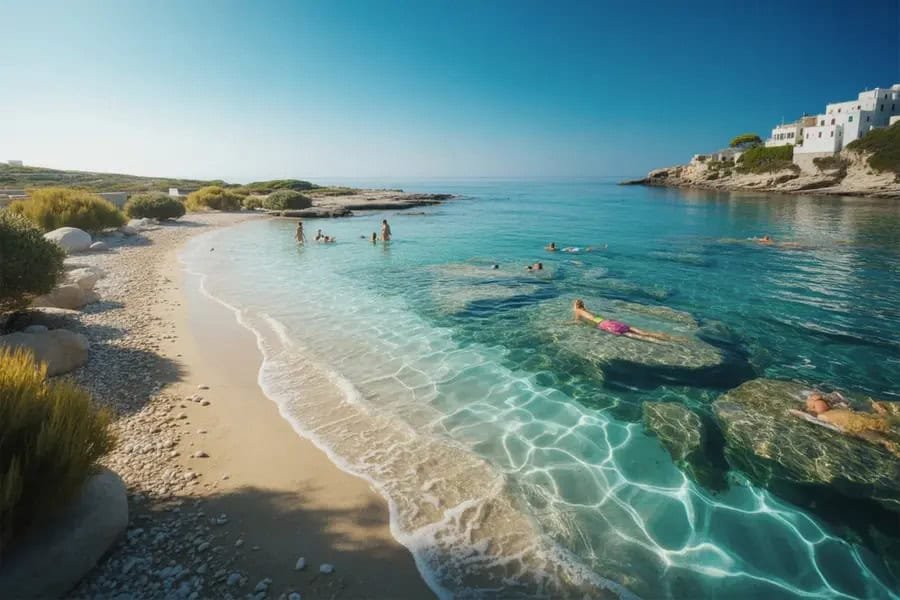
Spain’s excellent overall score is largely due to the outstanding quality of its seawater along its extensive coastline. The report clearly states that the water quality at Spain’s major beaches is maintained at a very high level. This is not only a core advantage for its status as a top European summer destination but also provides a safe and healthy environment for visitors to enjoy the water, reinforcing Spain’s reputation in the international tourism market.
Inland Waters: A Significant Weakness
However, the report also reveals another side of Spain’s water environment. In the assessment of inland waters (including rivers and lakes), Spain’s performance is concerning, ranking it among the worst in the EU. The data shows that only 53% of Spain’s inland bathing sites meet the ‘excellent’ standard, while about 11% are rated ‘poor’. This failure rate is among the highest of all EU member states, highlighting the serious challenges facing its inland water management.
European Water Quality at a Glance
Across Europe, it is a common trend that the quality of inland waters is generally lower than that of coastal waters. Besides Spain, several other countries also have room for improvement in their overall water quality. For instance, the proportion of excellent-quality waters is 56.9% in Estonia, 58.7% in Poland, 64% in Hungary, and 67.9% in Belgium. Furthermore, the Netherlands and Slovakia have proportions only slightly above 70%, showing significant variations in water quality management. In contrast, countries like Luxembourg (94.1%), Denmark (92.4%), and Germany (90.9%) maintain high overall water quality levels.
The Report’s Significance: Safeguarding Public Health and Tourism Quality
The EU states that this annual water quality assessment aims to continuously monitor the condition of public bathing sites in member states, providing a reliable health reference for both local residents and tourists. By publishing rankings and data, the report also serves as a catalyst, encouraging national governments to adopt more effective measures to improve the water environment, thereby safeguarding public health and promoting sustainable tourism.
