New to the forum and seeing all the lively discussions, I wanted to share a topic I recently discussed with friends back home: How long does it actually take to graduate from a university in Spain?
Whenever my friends back in China hear I’m studying for a Grado (bachelor’s degree), their first reaction is always, “Oh, so you’ll be back in four years?” And every time, I just give them a knowing smile. Honestly, anyone who graduates in exactly four years is considered a total genius at my university. While it’s four years in theory, the reality is much harsher. Most students take four and a half, five, or even more years.
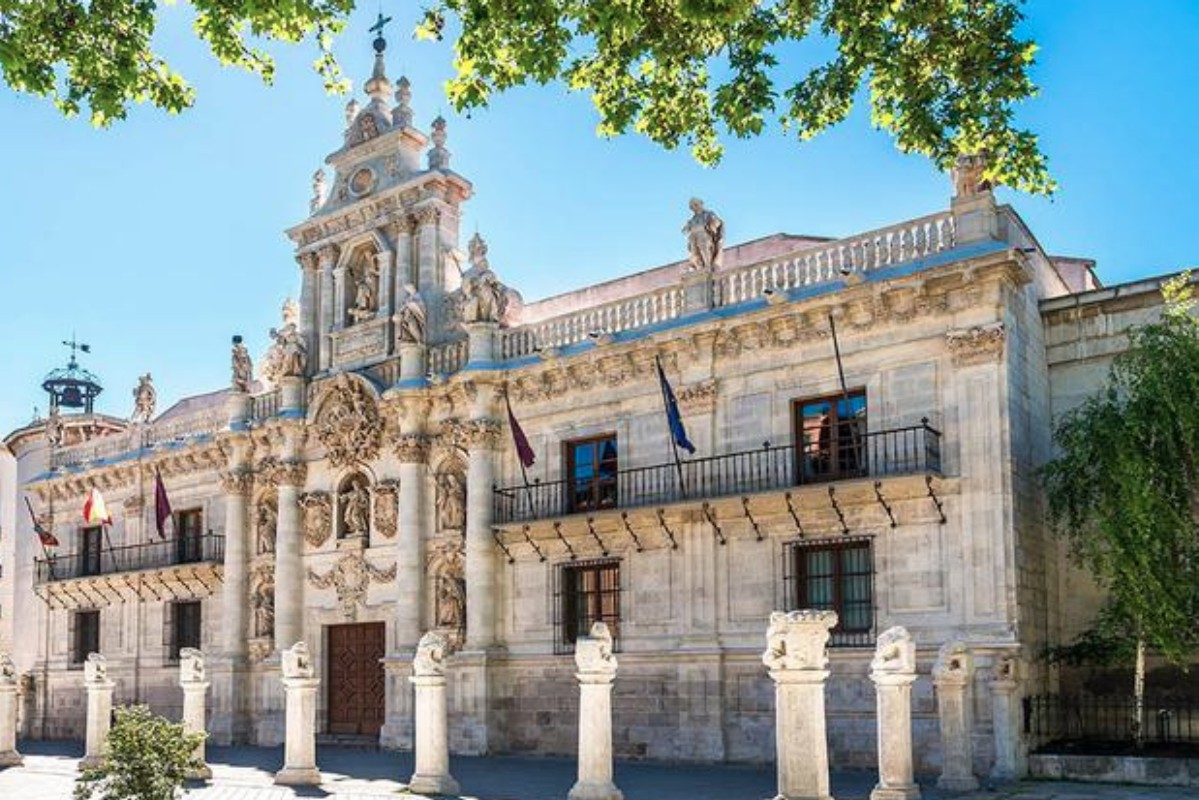
So, why is that? Spanish universities operate on a credit system, where you need to earn 240 ECTS credits to graduate. However, the course difficulty and exam methods here are very different from what you might be used to. Many courses are prerequisites for others. If you fail a prerequisite, you can’t enroll in the subsequent courses, which directly delays your entire graduation plan. Plus, Spanish professors are generally quite ‘stingy’ with grades. Getting a high score is tough, and sometimes just to pass feels like you’ve been through the wringer.
But don’t just take my word for it; let’s look at some data. This information on Graduating from a Spanish University on Time is based on public information from the Spanish Ministry of Universities. While it varies by university and major, it shows a general trend:
| Field of Study | Official Duration (Years) | Average Graduation Time (Years) |
|---|
| Arts & Humanities, Social Sciences | 4 | 4.8 |
| Economics & Law | 4 | 5.1 |
| Health Sciences | 4 | 4.6 |
| Engineering & Architecture | 4 | 5.5 |
See that? Especially in the hair-pullingly difficult STEM and architecture fields, students take an average of one and a half extra years. There are several reasons for this. First, language: even if your Spanish is good, academic vocabulary and logical expression can still be a hurdle. Second, the exam system: there are only a few exam periods per year. Fail once, and you might have to wait over half a year for the next chance. Finally, it comes down to personal planning and mindset. Many students slow down because of part-time jobs, social activities, or simply failing courses.
Final Thoughts
I’m not saying all this to discourage anyone, but to give future students a realistic picture so you can prepare mentally and plan your time accordingly. Budgeting for an extra year, both in time and money, will make things much less stressful. Academically, don’t get stuck on minor details; communicate with your classmates and professors, and don’t hesitate to ask for help when you’re struggling. Graduating a year late is actually very common in Spain, and no one will think it’s strange. What about you all? How long did it take you to finally reach the shore after navigating the seemingly endless sea of graduation requirements?
