European Bathing Water Report Released, Highlighting National Disparities
As summer approaches, the demand for clean recreational waters among Europeans is growing. In response, the European Commission releases an annual bathing water quality report covering all member states to assess the sanitary safety of beaches, rivers, and lakes. The latest report shows that while Europe’s overall water quality remains high, significant disparities persist between countries and even within different regions of the same country.
In the report, Mediterranean countries stand out. Cyprus once again tops the list with a 100% excellence rate, closely followed by Greece and Bulgaria with 97.1% and 96.9%, respectively. Additionally, Austria, Luxembourg, Denmark, and Germany all reported excellence rates exceeding 90%.
Spain: A Stark Contrast Between Coast and Inland
Spain achieved an overall excellence rating of 86.6% in the report, thanks to its outstanding coastal water quality. However, this figure masks the grim reality of its inland waters. Data reveals that Spain’s inland bathing waters have an excellence rate of just 53.0% and a failure rate of 11.0%, placing it at the bottom of the European rankings for this category.
This data indicates that while Spain has been effective in maintaining the water quality of its coastal beaches—a core component of its tourism economy—it faces significant challenges in managing pollution in its inland rivers and lakes. Discharges from industrial, agricultural, and domestic sources are considered the primary causes of this inland water degradation.
Inland Waters Across Europe Face Widespread Pollution Challenges
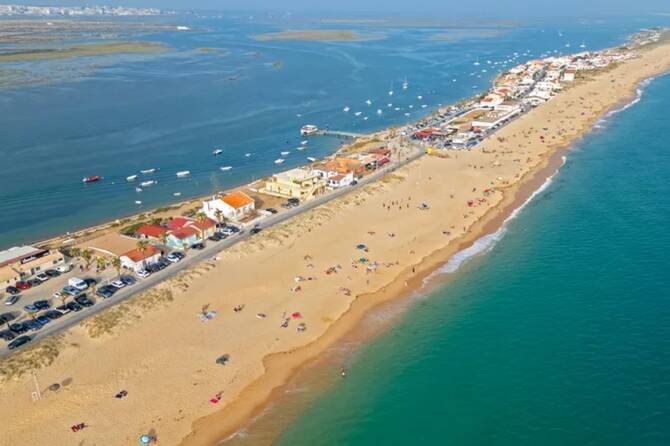
Spain’s situation is not an isolated case; the report highlights a widespread problem of inland water pollution across Europe. Overall, the excellence rate for Europe’s inland rivers is below 50%, far lower than that of coastal waters. This reflects the continuous pressure that industrial activities and urbanization exert on inland ecosystems.
In the overall water quality rankings, some other countries also performed poorly. For instance, Estonia had an excellence rate of only 56.9%, Poland 58.7%, and Hungary and Belgium just 64.0% and 67.9% respectively, indicating that their water management efforts need strengthening.
Water Quality Issues Pose Potential Risks to Public Health and Tourism
This authoritative report serves as a crucial guide for tourists and residents planning water activities this summer. Experts advise the public to pay close attention to official water quality information when choosing inland rivers or lakes for activities like swimming and to avoid unassessed or non-compliant waters to prevent health risks.
Analysts point out that the ecological degradation of inland waters not only harms public health but could also have long-term negative impacts on regional tourism that relies on natural landscapes. If the countries concerned do not take effective measures to strengthen inland water pollution control, both their ecosystems and economic development will face severe challenges.
