When I first arrived in Spain, I heard people talk about a very prestigious-sounding place: “Spain’s Naval Cambridge University.” I was baffled at first. Did the Spanish Navy open a branch campus in Cambridge, UK? It wasn’t until I chatted with a local veteran that I realized it was a wonderful misunderstanding. This “Cambridge” isn’t that Cambridge. It refers to the cradle of Spanish naval officers—the Naval Military Academy in Marín, Galicia—and its incredibly strict English language requirements for its cadets.
This academy is the sole training ground for all Spanish naval officers, with a status comparable to the U.S. Naval Academy in Annapolis. Nestled in the scenic Bay of Pontevedra, the campus itself is a stunning sight. Those who get in are truly among the elite of Spain’s youth. Not only do they need to pass the Spanish university entrance exam (Selectividad) with a very high score, a topic explored in this article on Spain’s legendary naval academy, but they also have to undergo a series of grueling physical, psychological, and English tests. Becoming a naval officer is definitely not for those who are all brawn and no brains.
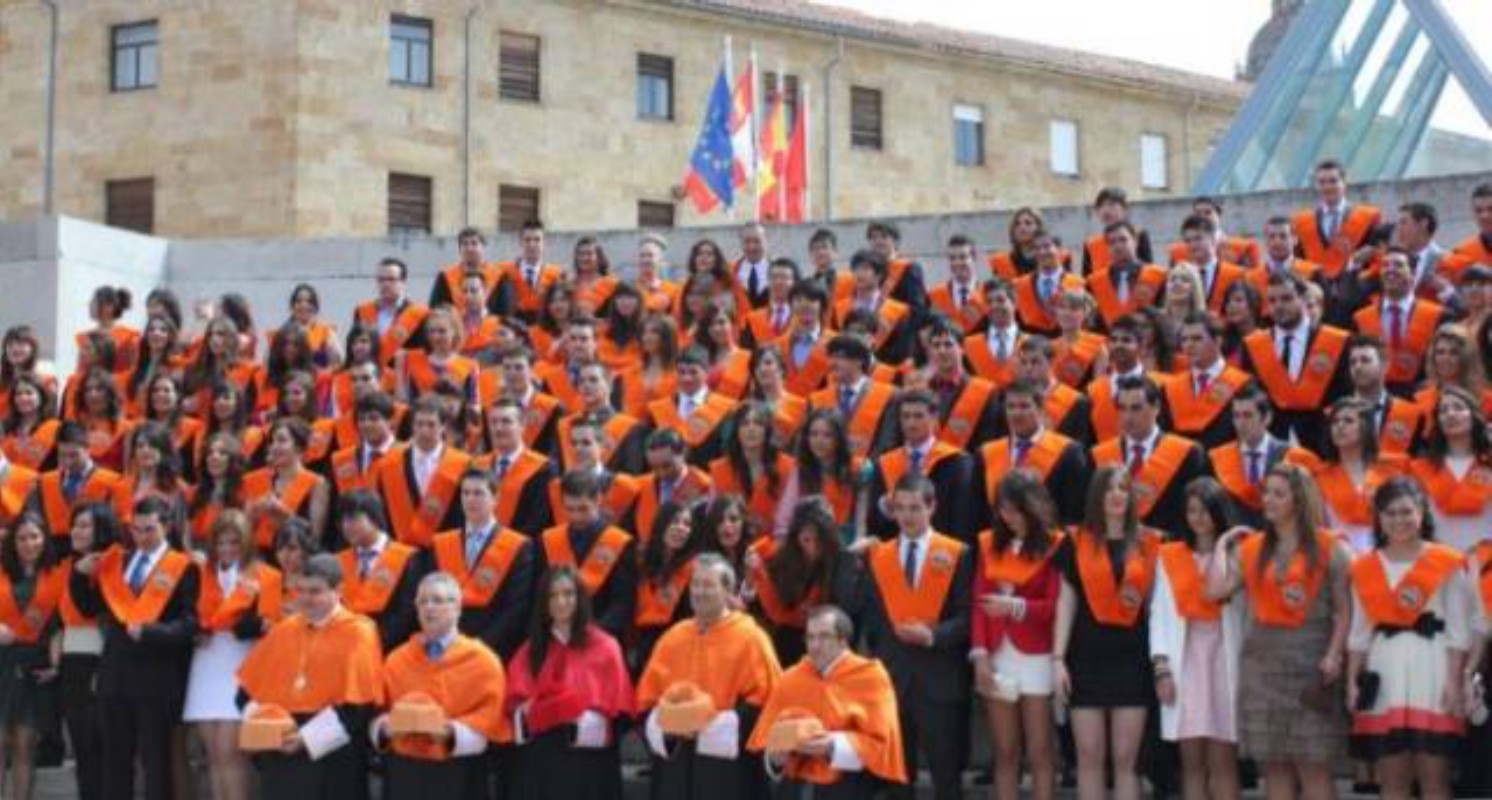
So, what’s the deal with the “Cambridge” nickname? It turns out that during their five years of study, cadets must not only complete demanding military training and engineering courses but also obtain a Cambridge C1 Advanced English certificate before graduating! This is no joke; a C1 level essentially means you can communicate fluently and effectively in academic and professional English-speaking environments. Considering the Spanish Navy is a key member of NATO and frequently conducts joint exercises and exchanges with navies from other countries, this requirement is both reasonable and necessary. So, the moniker “Naval Cambridge” is actually a nod to its high international standards.
A Training Model on Par with an ‘Elite University’
Upon graduation, students receive a dual qualification: the rank of Ensign in the Spanish Navy and a Bachelor’s degree in Industrial Organization Engineering from the University of Vigo. A true combination of academic and military excellence! To give you a clearer idea of its admission standards, I’ve compiled the university entrance cut-off scores from recent years for you to see:
| Year | Naval Academy Cut-off Score | Polytechnic University of Madrid (UPM) Score Range |
|---|
| 2023 | 12.468 | Approx. 12.2 - 12.8 |
| 2022 | 12.170 | Approx. 12.0 - 12.5 |
Note: The maximum score is 14. Data from these Spanish naval university rankings are approximate and can fluctuate each year.
So, to get into this military academy, your academic scores need to be on the same level as, or even higher than, students applying to Spain’s top engineering universities. And that’s not even counting the physical and psychological tests mentioned earlier. It’s much tougher than just getting into a regular university. Makes my own entrance exams feel like a walk in the park. Next time someone mentions “Spain’s Naval Cambridge,” you’ll be able to tell them the real story. Do you know of any other institutions or nicknames in Spain that sound impressive but have a different meaning behind them? Feel free to leave a comment and discuss below!
