Thirst is Too Late: The Hidden Risk of Dehydration in a Heatwave
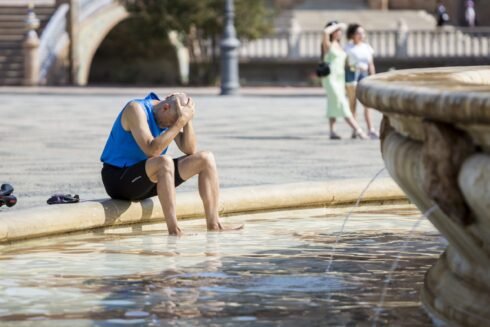
As the summer heat intensifies, many people experience fatigue and headaches, which may stem from poor hydration habits. Professor Neil Maxwell from the University of Brighton points out that during hot weather, our bodies lose a significant amount of water overnight through breathing and imperceptible sweating. Studies show that during a heatwave, as many as 70% to 80% of people are already in a state of dehydration by the morning.
Experts emphasize that thirst is a delayed signal from the body. By the time you feel thirsty, you have likely already lost 1% to 2% of your body weight in water, entering a state of mild dehydration. A simple self-check is to observe your urine color: a dark yellow or amber color indicates significant dehydration, while a clear, pale yellow means you are well-hydrated.
Fight Fire with Fire: The Physiology of Cooling Down with Hot Drinks
In dry, hot conditions, drinking a hot beverage can be more effective at cooling you down than an ice-cold one. Professor Lewis James from Loughborough University explains that when you drink something warm, thermal receptors in your stomach send a signal to the brain that your body is overheating. In response, the brain instructs blood vessels in the skin to dilate and increases sweat production. The cooling effect from this sweat evaporating from your skin far outweighs the heat added by the drink itself.
In contrast, drinking large amounts of ice-cold water causes blood vessels in the stomach to constrict, reducing blood flow to the skin’s surface. This hinders the body’s primary mechanism for heat dissipation through the skin, lowering overall cooling efficiency.
However, there are exceptions to this method: in highly humid environments (like muggy days) or during intense exercise where sweat cannot evaporate effectively, you should opt for cool drinks instead of hot ones.
Electrolyte Myths and the Risk of ‘Water Intoxication’
Commercially available electrolyte drinks are not necessary for everyone. Professor José González-Alonso from Brunel University states clearly that for most people, the potassium, sodium, and other electrolytes obtained from daily meals and fruits (like bananas and apples) are entirely sufficient.
What’s more concerning is the risk of hyponatremia, or ‘water intoxication,’ which can be triggered by drinking excessive amounts of plain water in a short period out of fear of dehydration. When the body loses salt through heavy sweating and the sodium ions in the blood are then diluted by large quantities of pure water, it can cause cells to swell, a condition that can be life-threatening in severe cases.
Proper Hydration: Recommended Frequency and Methods
To ensure safe and effective hydration, experts recommend the ‘little and often’ approach. The suggested frequency is to drink a glass of about 300 to 500 ml of water every two hours, avoiding chugging it all at once. Pairing your water intake with meals can help, as food slows the rate at which water leaves the stomach, allowing for better absorption in the intestines.
You only need to supplement with extra electrolytes if you are engaged in continuous high-intensity exercise or outdoor labor for more than 60 minutes with significant sweating. This can be achieved by eating salty nuts or drinking a professional sports drink. Additionally, fruits and vegetables with over 80% water content, such as cucumbers and watermelon, are excellent natural sources of hydration.
Furthermore, be aware that alcohol and highly caffeinated beverages have a diuretic effect, which accelerates water loss from the body. Carbonated water might also be misleading, as the bubbles can create a false sense of fullness, causing you to stop hydrating prematurely.
