I’ve been a lurker on the forums for a while and noticed some prospective students asking about Nebrija University. Since I’m currently doing my Master’s in Business here, I wanted to share some firsthand information to help those of you choosing a school. This review is completely unbiased—just my personal take.
Location and Campus Environment
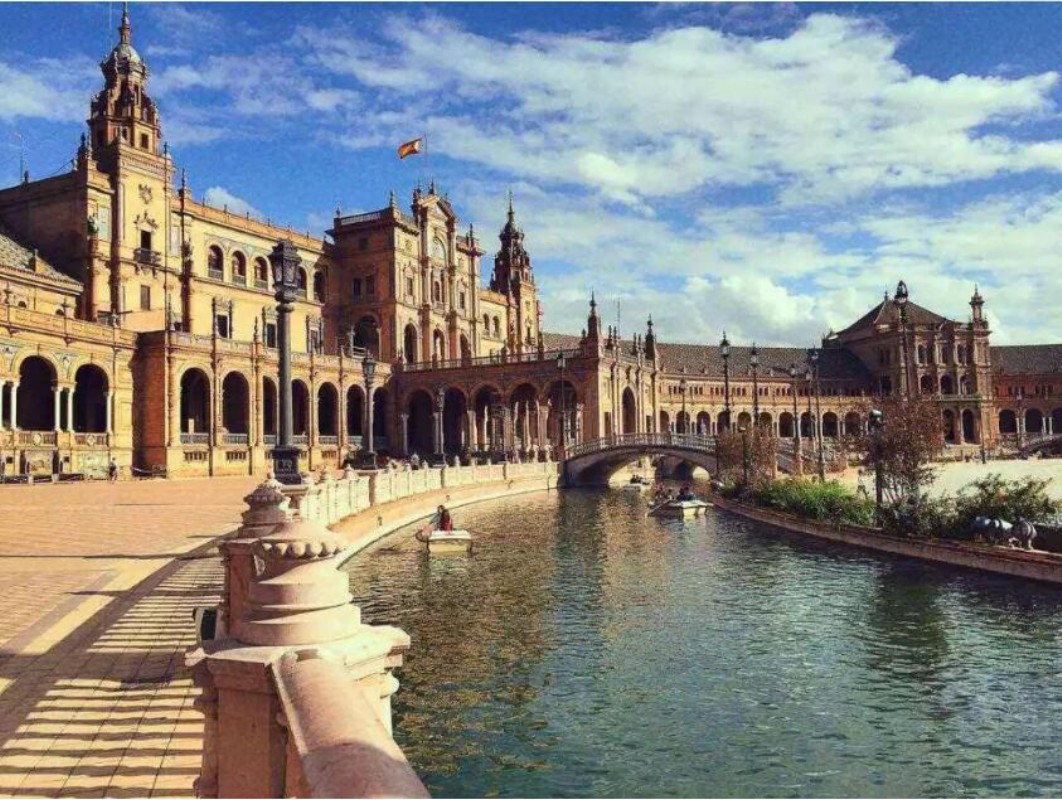
One of Nebrija’s biggest advantages is its location. The main campus is in the heart of Madrid at Princesa, just a ten-minute walk from Plaza de España and the bustling Gran Vía. Transportation and daily life are super convenient. It’s incredibly easy to grab a meal or go shopping after class. However, be aware that different programs are on different campuses. For example, some engineering and arts programs are at the Dehesa de la Villa campus, which has a beautiful, green environment like a forest park, but the commute is longer. Make sure you check which campus your program is on when you apply.
Teaching Quality and Strongest Programs
Academically, as a private university, you can’t expect Nebrija to compete with public giants like the Complutense University of Madrid (UCM) or the Autonomous University of Madrid (UAM) in overall rankings. Its strengths are very distinct. It’s most famous for programs in International Relations, Communications, Business, and Automotive Engineering. The teaching style is highly practical, emphasizing ‘learning by doing,’ with lots of group projects, presentations, and collaborations with companies. Most of the professors are industry elites who bring a wealth of firsthand industry knowledge to the classroom. Plus, with small class sizes of usually just 20-30 students, professors almost always know you by name, making classes highly interactive.
Personal Summary of Pros and Cons
I’ve made a simple table for a more direct comparison:
| Pros | Cons |
|---|
| Small class sizes, high student-faculty interaction | Lower overall global ranking |
| Strong practical focus with close industry ties | Relatively expensive tuition |
| Excellent location, convenient lifestyle | Administrative processes can be slow at times |
| Highly international with diverse student backgrounds | Some campuses are located further out |
Finally, let’s talk about the practical side. As a private university—and you can find more details on its standing in the Nebrija University QS ranking—the tuition is admittedly not cheap. A bachelor’s or master’s program can cost between 8,000 and 13,000 euros a year. Additionally, regarding the common issue of administrative inefficiency in Spanish universities, Nebrija is no exception and has its share of it. Overall, if your family can afford it and you have clear goals, prioritizing practical skills, international experience, and networking, then Nebrija is a choice that’s definitely worth considering. However, if your main priorities are high overall rankings and cost-effectiveness, you might be better off looking at a few more public universities.
