The Current Situation and Spread of Tiger Mosquitoes
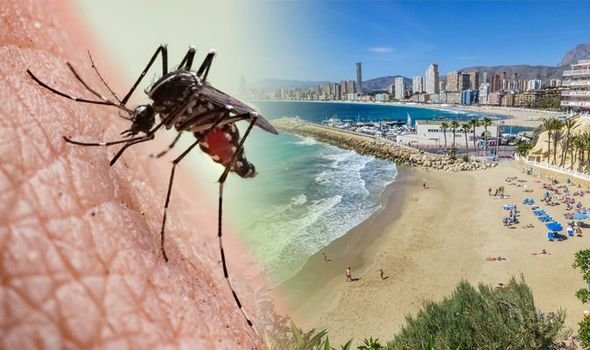
The tiger mosquito (Aedes albopictus) is an invasive species native to Southeast Asia. Since it was first recorded in Spain’s Catalonia region in 2004, its population has successfully established itself along the Mediterranean coast and continues to expand, now covering a vast area from Barcelona to Valencia, Alicante, and even Malaga. This summer, a combination of high temperatures, widespread stagnant water after rainfall (in places like flower pot saucers and discarded containers), and the mosquito’s accelerated breeding cycle in warm climates has led to a significantly higher population density than in previous years. The situation is particularly severe in the province of Alicante, one of the most densely populated areas for tiger mosquitoes in Spain.
Unique Characteristics and Health Risks of Tiger Mosquitoes
Unlike common house mosquitoes, tiger mosquitoes are highly aggressive and primarily active during the day, with a preference for biting people’s legs and ankles. Their bites can sometimes penetrate thin clothing. Because their saliva proteins are more likely to trigger a hypersensitive reaction in the human body, the resulting local swelling and itching are usually more intense and long-lasting than those from common mosquito bites. For susceptible individuals, this can lead to large, swollen, hard patches, a condition known as “Skeeter Syndrome.”
Expert Advice: Proper Treatment After a Bite and When to Seek Emergency Care
Dr. Pedro Lorete, a dermatologist at Vithas Medimar Hospital, emphasizes that the first rule of treating a bite is “absolutely do not scratch.” Scratching can break the skin barrier, making it easy for bacteria to enter and potentially leading to secondary cellulitis, which may require antibiotic treatment.
Proper treatment steps include:
- Clean: Immediately wash the affected area gently with soap and water.
- Apply a cold compress: Use an ice pack wrapped in a towel for 10-minute intervals to reduce swelling and itching. Avoid direct contact of ice with the skin.
- Use medication: If the reaction is severe, take over-the-counter antihistamines or apply a topical hydrocortisone cream to the bite.
You must seek immediate professional medical help if you experience the following:
- Signs of infection: Pus from the bite, increased pain, or spreading redness with red streaks extending from the bite area.
- Severe allergic reaction: Difficulty breathing, swelling of the lips or throat, hives all over the body, severe dizziness, or confusion. These are symptoms of anaphylactic shock, and you should call the emergency number 112 immediately.
- Symptoms of viral infection: High fever, severe headache, severe joint pain, or body aches. These could be early signs of Dengue, Chikungunya, or West Nile virus, all of which have had recorded local transmissions in Spain.
Comprehensive Prevention: From Source Control to Personal Protection
Effective prevention is key to avoiding tiger mosquito bites. Individuals and communities can take these comprehensive measures:
- Eliminate breeding sites: Thoroughly clear any containers around your home that can collect water, as even a bottle cap’s worth of water is enough for tiger mosquitoes to breed. Pay close attention to flower pot saucers, buckets, pet water bowls, and clogged gutters.
- Wear protective clothing: During peak tiger mosquito activity in the morning and late afternoon, try to wear light-colored, long-sleeved shirts and pants.
- Use insect repellent: Apply a repellent containing effective ingredients such as DEET, Picaridin, or Oil of Lemon Eucalyptus to exposed skin.
- Physical barriers: Install screens with a mesh size smaller than 1 mm on doors and windows to effectively block mosquitoes from entering your home.
- Protection for vulnerable groups: Dress infants and young children in appropriate protective clothing and use repellents designed for them. Individuals with a history of strong reactions to mosquito bites should consult an allergist before summer to prepare an action plan.
