SAIC Motor’s Investment in Spain’s Port of Ferrol Sparks Security Controversy, Drawing Scrutiny from NATO and EU
A major investment plan in Spain’s Galicia region by Chinese state-owned automaker SAIC Motor is evolving into a complex issue involving economic development, national security, and international relations. The project promises a significant economic boost for the city of Ferrol, but its proposed location next to a key naval facility has triggered alarms within Spanish intelligence agencies, NATO, and the European Union.
Economic Engine or Strategic Threat?
According to the plan, SAIC Motor will build a car manufacturing plant in the outer port of Ferrol, in Spain’s Galicia region. The project is expected to create approximately 1,000 direct jobs and an equal number of indirect ones, representing a significant economic opportunity for Ferrol, a city known for its naval base. However, the project’s sensitivity lies in its location: the plant site is adjacent to the naval bay, a crucial passage for Spanish navy vessels and ships from the state-owned Navantia shipyard. This specific location has raised concerns about its potential military implications.
Multi-Party Security Scrutiny and Geopolitical Concerns
The project has drawn the attention of Spanish intelligence services and security experts. They worry that the factory’s operations could interfere with or restrict the free movement of military vessels. Furthermore, some argue the investment may conflict with the European Commission’s new ‘Port Strategy’ regulation issued in March, which requires member states to conduct rigorous risk assessments for foreign investments in strategic ports with dual civil-military use. NATO has also expressed caution, noting the Port of Ferrol’s strategic value to the alliance due to its proximity to key northern maritime routes. Critics speculate the plant could be used to monitor NATO submarine and warship activities, intelligence that is difficult to obtain via satellite.
Spain’s Balancing Act and Allied Disagreements
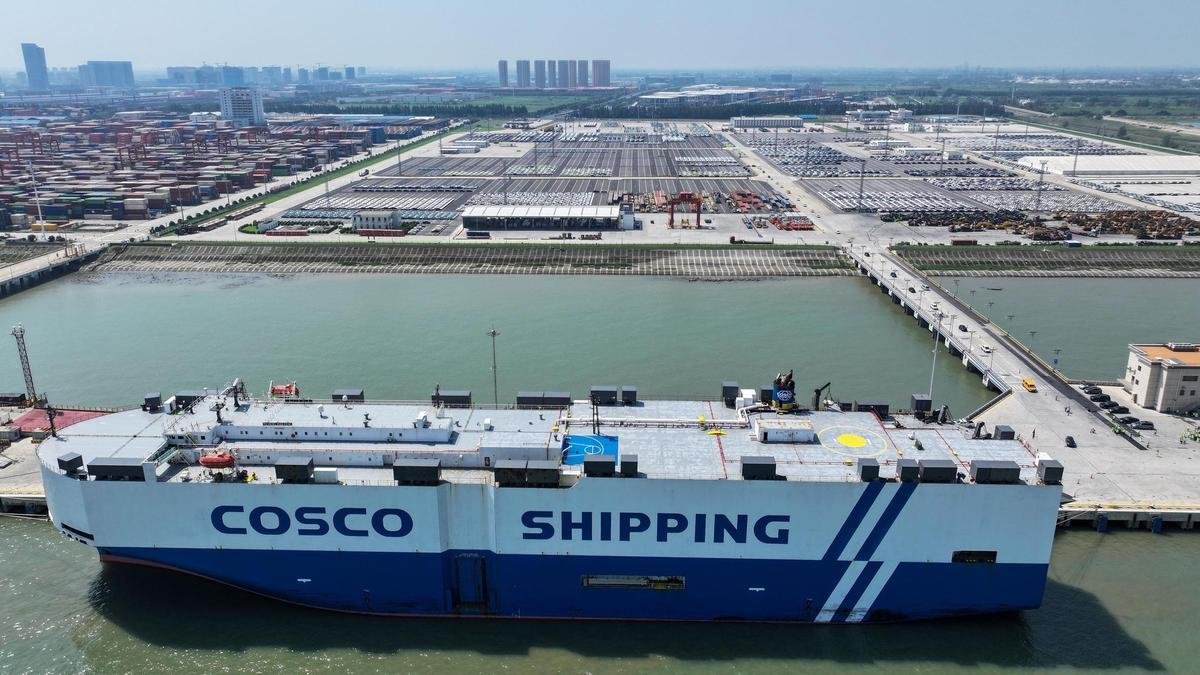
This controversy highlights Spain’s unique position on its China policy and the disagreements with its allies. In recent years, Prime Minister Pedro Sánchez has pursued a policy of closer ties with China, visiting Beijing four times in several years. Both the Spanish central government and the Galician regional government have expressed support for the SAIC project, prioritizing the jobs and economic benefits it promises. However, this stance contrasts with the cautious approach of some NATO allies. Analysts point out that countries like France and the United Kingdom would never approve a similar project near their military installations. Previously, the Sánchez government shifted its position after a visit to Beijing, opposing the EU’s proposed tariffs on Chinese electric vehicles, which has already caused discontent among other member states.
Global Context: NATO Summit and New EU-China Relations Rules
This incident coincides with the annual NATO summit in Ankara, Turkey, where China’s rise is listed as a long-term strategic concern. NATO Secretary General Mark Rutte stated before the meeting that China is significantly expanding its military and deepening cooperation with countries like Russia. Against this backdrop, the Port of Ferrol project is seen as another example of China expanding its influence over critical European infrastructure. Meanwhile, the EU is developing new regulations aimed at protecting domestic industries and scrutinizing foreign investments. Critics suggest that the Galician regional government is rushing the project’s approval process to finalize the deal before the new rules take effect, with a lack of transparency. The Port of Ferrol affair epitomizes Europe’s difficult choice between pursuing economic development and safeguarding strategic security.
