Background: A New Housing Strategy to Combat Depopulation
Amidst the widespread issue of depopulation in Spain’s inland provinces, the town of Langa de Duero has launched a notable pilot project. It aims to address the local housing shortage through an innovative construction solution, thereby attracting and retaining residents. The core of the plan is the construction of seven detached, single-family homes, offering an efficient and viable solution to the structural housing deficit in rural areas.
Innovative Construction Model and Technology
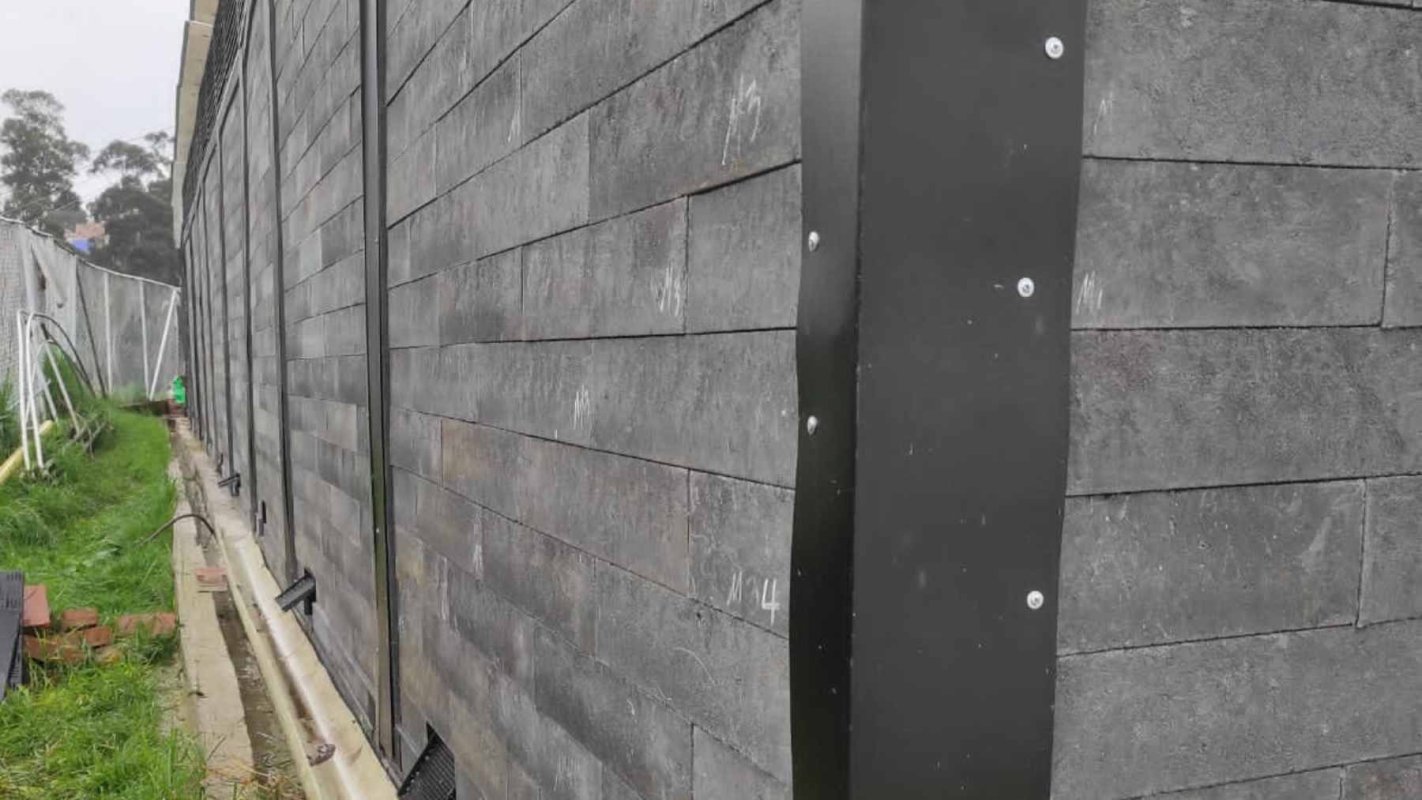
The project utilizes advanced industrialized modular construction technology. All housing units are prefabricated from concrete modules in a specialized factory before being transported to the site for lifting and assembly. This process significantly shortens the construction time for the main structure, completing it in just three working days. Unlike other prefabricated projects in Spain that use wood, the Langa de Duero project opted for sturdy concrete as the primary material to ensure excellent thermal insulation against the region’s harsh winter climate. The standardized factory production process not only ensures strict quality control but also effectively reduces material waste and construction costs.
Investment and Public Response
This pioneering initiative received financial backing from the regional government of Castilla y León, with a total project investment of approximately €1 million. It aims to provide attractive, affordable housing in a remote area. Upon its launch, the market response was overwhelmingly positive, far exceeding expectations. Although only seven homes were available, the local council received formal applications from as many as 16 families. This strong demand clearly reflects the genuine need for high-quality, affordable housing in rural areas and has boosted the local government’s confidence in its ability to attract young families and revitalize the community.
Project Progress and Next Steps
The project manager clarified that the three-day period covered only the rapid assembly of the main structure, which significantly minimized disruption to the surrounding community. However, interior finishing, final details, and the completion of external utilities still require additional time. Previously, heavy winter rainfall had delayed the construction schedule. Currently, the construction team is focused on finishing the exterior work, including laying sidewalks, building access points, and connecting the homes to the public sewage system. Once the surrounding roads and infrastructure are fully completed, the new residents will be able to receive their keys and move in.
