Hi everyone! While preparing for my DELE B2 exam recently, I felt my self-study approach was fragmented and lacked a systematic structure. A while back, I got my hands on a syllabus outline from a university’s intensive Spanish program through a friend, and it was a game-changer! Even though it wasn’t the complete set of lesson plans, its framework and methodology gave me a ton of inspiration. I’ve taken the time to organize the core concepts and want to share them, hoping to help others who are in the same boat.
When we study Spanish on our own, it’s easy to fall into the vicious cycle of just “memorizing vocabulary, cramming grammar, and doing drills.” The knowledge we gain often ends up being disjointed. University-level teaching, however, often uses a thematic module approach. In simple terms, this means organizing lessons around a specific life or social theme, connecting all the relevant vocabulary, grammar, sentence structures, and cultural knowledge. The benefit is that you’re no longer learning isolated words or rules; instead, you’re learning entire contexts you can apply directly, which greatly enhances both memory and understanding.
Core Syllabus Module Example
Based on that outline, I’ve mocked up a sample B1-level module plan below for you to see how it’s structured. This approach is excellent for planning your review sessions or preparing for upcoming topics.
| Thematic Unit | Key Grammar | Cultural Focus |
|---|
| 1. Daily Life & Routines | Review of present/past tenses, the passive ‘se’ | The Spanish daily schedule |
| 2. Travel & Transportation | Imperative, Future Tense | Booking and riding Renfe, Spain’s high-speed train |
| 3. Health & Sports | Intro to Present Subjunctive, Conditional | Spain’s public healthcare system vs. private insurance |
| 4. Festivals & Traditions | Imperfect vs. Preterite tenses | Famous festivals: San Fermín, La Tomatina, etc. |
How to Expand on This Framework?
Once you have the framework, it’s up to you to actively fill it in. For instance, in the “Travel & Transportation” unit, don’t just stick to your textbook.
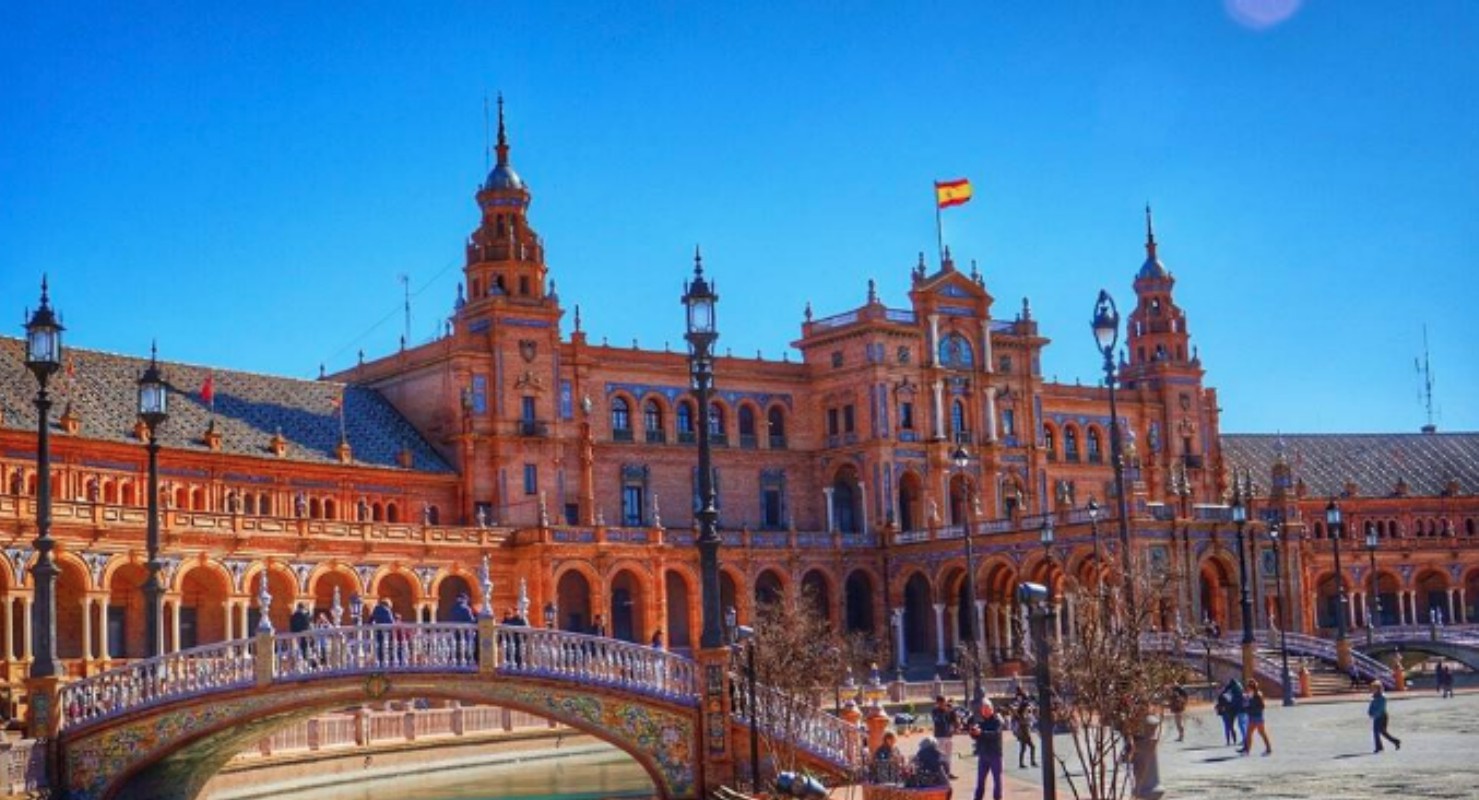
Go to the official Renfe website and simulate booking a ticket to see routes and prices between different cities. For those considering other fields of study, you can also find helpful information, such as these recommended art programs at Spanish universities. Watch travel vlogs by Spanish YouTubers to pick up authentic, everyday expressions. Consolidate all these findings into your study notes to build your personal knowledge base. Key takeaway: Contextual learning
! Use the new grammar, like the imperative and future tenses, in practical speaking or writing exercises, such as “planning a trip to Spain.”
The biggest lesson this syllabus outline taught me is the importance of being both systematic and proactive in my studies. It provides the scaffolding, but we’re the ones who have to build our knowledge mansion, brick by brick. Of course, everyone’s learning method is different—this is just my humble opinion. I’d love to hear about your Spanish learning strategies in the comments, so we can all share and grow together! Remember, studying sporadically won’t get you there!
