Hello neighbors! After just arriving in Spain, I honestly felt illiterate—especially when it came to food. My first few times at restaurants, I could only recognize Paella and Tapas on the menu. Ordering was mostly gesturing and relying on Google Translate, which was super awkward. After some trial and error, and a bit of learning, I put together what I consider an Spanish Culinary & Cooking Major resource—a super handy list of Spanish food and cooking-related vocabulary. Hopefully, this helps other newcomers like myself!
Beyond the universally beloved Spanish seafood paella and various tapas, introduced by top contenders of the Spanish Culinary Championship, there are plenty of hidden gastronomic treasures across Spain. Next time you’re at a restaurant, consider trying dishes like Gazpacho, Tortilla Española, Jamón Ibérico, and my personal favorite, the irresistible Gambas al ajillo—there’s nothing like the combination of garlic and olive oil!
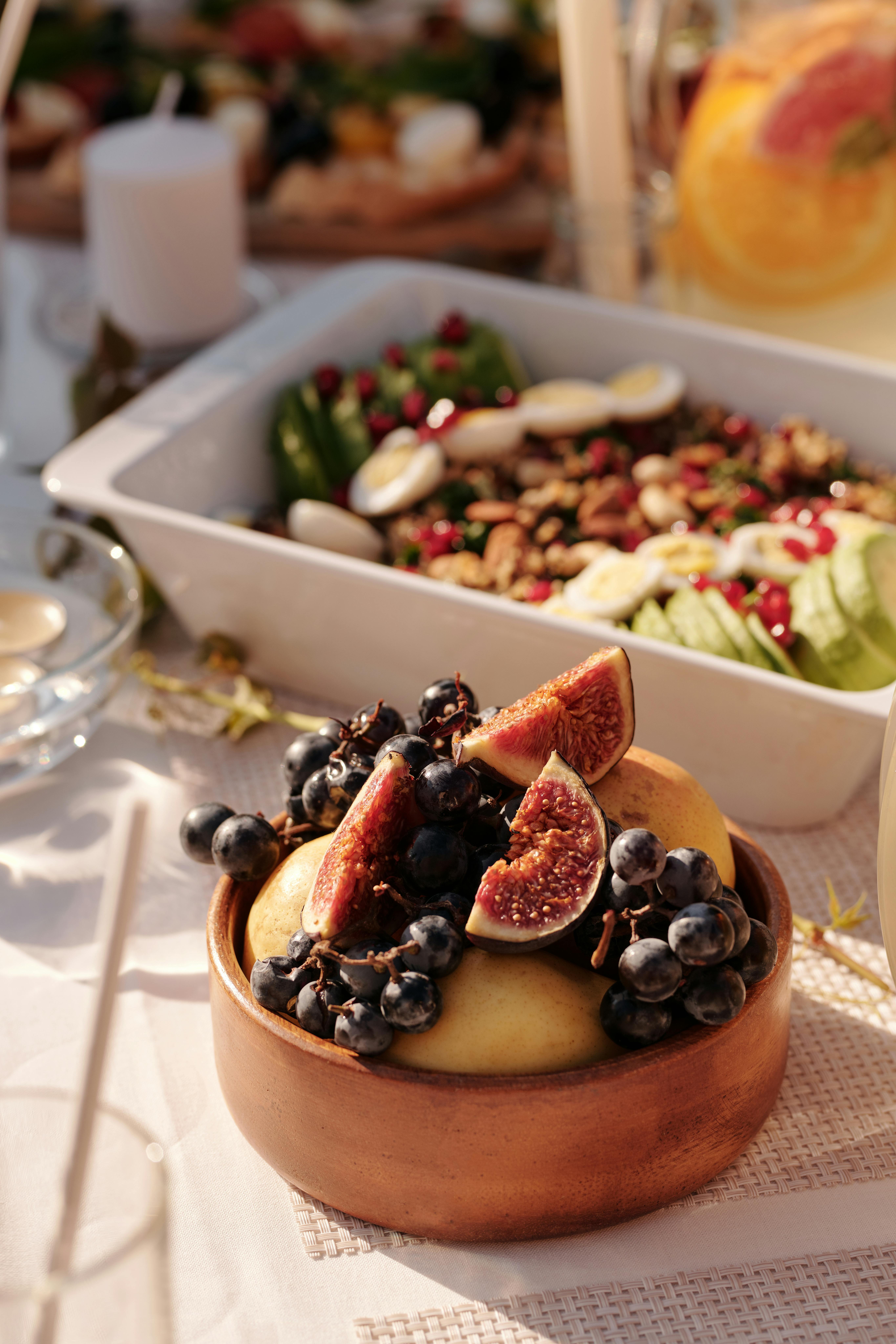
If you want to cook for yourself or simply understand the ingredients listed on menus, mastering ingredient vocabulary is essential. Especially when wandering through local food markets, being familiar with these terms will boost your confidence. Here’s a handy table I’ve put together with the key types of meat and seafood:
| Spanish | English Translation | Notes |
|---|
| Carne de ternera | Beef | Usually refers to veal, which is tender |
| Carne de cerdo | Pork | Jamón is made from pork |
| Pollo | Chicken | Pollo asado is very popular |
| Cordero | Lamb | Chuletas de cordero are lamb chops |
| Pescado | Fish | Pescado del día means fish of the day |
| Mariscos | Seafood | Paella de mariscos is seafood paella |
| Gambas / Langostinos | Shrimp / Prawns | Very common in supermarkets |
| Mejillones | Mussels | Extremely popular among Spaniards |
Apart from meats, vegetables and condiments are equally important. For instance: Ajo, Cebolla, Pimiento, Tomate, and Patata. The soul of Spanish cuisine is definitely Aceite de oliva (olive oil) and all sorts of Queso (cheese). Once you get familiar with these, you’ll never feel lost in the supermarket again!
Let’s move on to a few common Spanish cooking terms you always see on menus: a la plancha (grilled), frito/a (fried), asado/a (roasted), al horno (baked), hervido/a (boiled). Spotting these phrases means you can usually guess how a dish is prepared. For example, Pescado hervido and Pescado a la plancha are worlds apart in terms of taste and texture. Of course, this list isn’t exhaustive, so food experts are welcome to add their suggestions or corrections in the comments. Let’s explore Spain together and enjoy the wonderful Spanish cooking methods and terminology—bon appétit!
