Introduction
According to a release from the Basque judicial authorities on July 9, 2024, two former ETA members currently serving prison sentences have been granted more flexible prison regimes. This is the latest in a series of adjustments to the sentences of ETA prisoners since the Basque Government took over prison management powers from the Spanish central government.
Arkaitz Agirregabiria Granted “Tercer Grado” Status
One of the prisoners, Arkaitz Agirregabiria, has been granted ‘tercer grado’ (third degree), which corresponds to an open or semi-open prison status. This means he will be subject to more lenient supervision.
Agirregabiria was convicted for his involvement in the 2010 murder of French police officer Serge Nérin in France. This case is particularly symbolic as Nérin is widely considered the last victim of ETA’s terrorist activities, marking a bloody end to the organization’s decades-long campaign of violence.
Rubenach Benefits from Article 100.2
The other prisoner, Iñaki Bilbao Rubenach, has been granted the application of Article 100.2 of the Spanish Penitentiary Law. This article allows him, under specific conditions, to leave the prison during the day from Monday to Friday for work or designated volunteer activities, but he must return at night.
Rubenach was the direct perpetrator of the murder of military Lieutenant Colonel Pedro Antonio Blanco in Madrid in January 2000. This assassination ended a 15-month ceasefire previously declared by ETA and marked the organization’s return to violent attacks. Rubenach was arrested in France in 2003 and transferred to Spain in 2019 to serve his sentence.
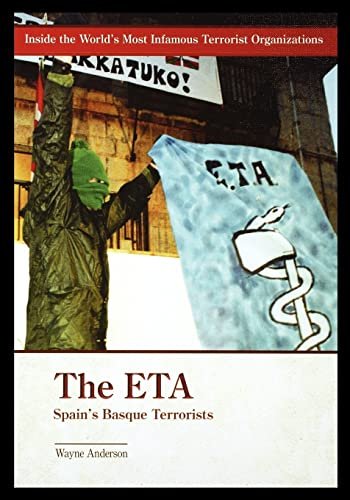
Controversy Following the Transfer of Prison Management
In recent years, the Spanish central government has gradually transferred prison management authority to the Basque Autonomous Community government. Since then, there has been a growing number of sentence adjustments for imprisoned ETA members, including reclassification of prison status, transfers to prisons closer to their hometowns, and the granting of semi-open regimes.
These measures are seen by some as steps towards social reconciliation and prisoner rehabilitation. However, they continue to provoke strong opposition from victims’ associations and certain political factions. They worry that excessive leniency towards terrorists who committed serious crimes could diminish their culpability and cause secondary trauma to the victims’ families.
