The Ideal Environment for Ancient Civilizations
The Mediterranean climate, characterized by its “hot, dry summers and mild, rainy winters,” is widely considered the ideal environment for nurturing early human civilizations. Its distinct seasonal patterns provided a stable timeframe for agricultural development. Ancient peoples could plant, grow, and harvest based on predictable climate cycles, ensuring a stable food supply—the foundation for settled societies, cities, and nations.
Furthermore, the relatively dry conditions offered another key advantage in an era of poor public sanitation. A dry environment effectively suppresses the breeding of mosquitoes and parasites, reducing the risk of spreading certain infectious diseases. For ancient societies lacking modern medicine, sanitation facilities, and pest control, this natural “health barrier” significantly improved human survival rates and the sustainability of civilization.
Modern Technology Reshapes Climate Adaptability
However, with the advent of modern society, technological advancements, especially the widespread use of air conditioning, have fundamentally changed the relationship between humans and climate. In the past, tropical regions were considered inhospitable due to their constant high heat, humidity, and associated health risks. Today, modern medicine, urban drainage systems, environmental management, window screens, and effective pest control can successfully mitigate these challenges.
More importantly, air conditioning allows people to largely escape the constraints of external temperatures by creating constant, controlled indoor environments. This means that tropical regions, once limiting due to their heat, can now offer a highly comfortable living experience with modern technology. Technological progress has weakened the traditional disadvantages of certain climates, prompting a re-evaluation of the pros and cons of different climate types.
Case Study: The “Dry” vs. “Hot” of Valencia, Spain
Take Valencia, Spain, a typical Mediterranean city, as an example. The living experience here reveals a gap between traditional views and modern reality. Based on four years of a local resident’s observations, the Mediterranean climate isn’t the year-round spring one might imagine. Summers are exceptionally dry, with significant daily temperature swings. The perceived temperature difference between being in the sun and in the shade is vast, making it feel like you’re experiencing “multiple seasons” in a single day.
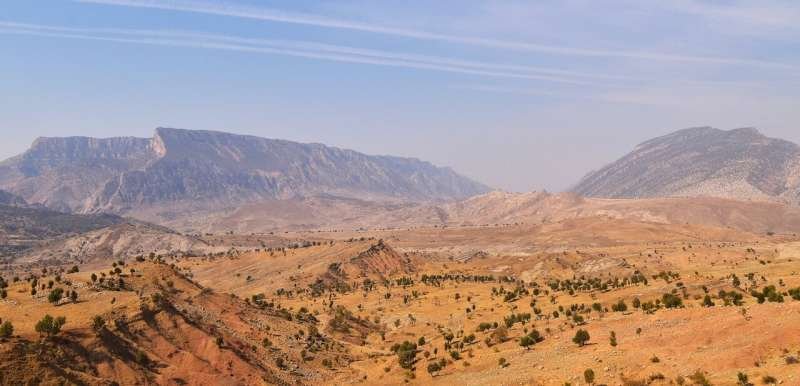
This dry environment creates a modern paradox: using air conditioning for cooling. As an AC cools the air, it also condenses and removes moisture, acting as a dehumidifier. This is beneficial in humid regions. However, in a place like Valencia where summer humidity is already low, the AC further reduces indoor moisture, leading to excessively dry air. This can cause discomfort like dry nasal passages and throats, or even nosebleeds, essentially trading thermal comfort for discomfort from dryness.
The Modern Potential of Tropical Climates
In contrast, some traditionally “harsh” climates, like tropical ones, reveal new advantages with the help of modern technology. For example, in places like Sanya in Hainan, China, outdoor humidity often reaches 70%-80%. When the air conditioning is on, its powerful dehumidifying function adjusts the indoor humidity to the 40%-60% range, which is precisely the most comfortable level for the human body. The AC not only cools the temperature but also optimizes the humidity.
Furthermore, tropical regions generally have smaller annual and daily temperature variations, resulting in a more stable climate where residents don’t need to frequently change clothing to adapt. While outdoor issues like stuffiness and mosquitoes persist, they can be largely managed within personal living spaces using air conditioning, refrigerators, window screens, and modern public sanitation. Therefore, from the perspective of indoor “perceived comfort,” a technologically-moderated tropical climate may have an edge over a Mediterranean one.
Conclusion: Climate Suitability Depends on the Era
In summary, any assertion about the “most livable climate” cannot be separated from its historical context. The predictability and dryness of the Mediterranean climate were undoubtedly invaluable assets for the development of ancient agricultural civilizations. However, for modern people in the 21st century who can actively control their micro-environments, the criteria for judgment have changed.
The modern demand for a living environment focuses more on indoor comfort achieved through technology. In this context, features of the Mediterranean climate like dryness and large temperature swings may no longer be absolute advantages. The so-called “best” climate has no timeless answer; it is always the result of a dynamic balance between human needs, technological capabilities, and the natural environment.
