The Outbreak: Uncontrolled Blaze and Heavy Casualties
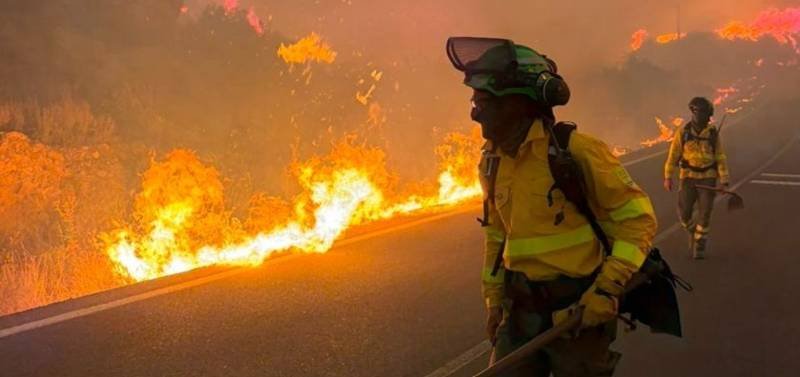
On the afternoon of July 9, 2026, local time, a wildfire broke out in the Los Gallardos area of Almería province, in Spain’s southern region of Andalusia. Fueled by a persistent heatwave, extreme drought, and strong winds, the fire quickly spun out of control, spreading to the neighboring town of Bédar.
By July 10, the blaze was confirmed as one of Spain’s deadliest wildfires of the 21st century. Official reports state the fire has caused at least 12 deaths, 8 injuries (4 with severe burns), and left another 19 people missing. The victims include several foreign nationals, some confirmed to be British citizens. In just a few hours, the fire consumed approximately 3,150 hectares of woodland, forcing the emergency evacuation of over 1,000 residents and tourists. Several roads, including the A-7 motorway, were closed. The regional government of Andalusia described the event as an “unprecedented tragedy” in the region’s history.
“Death Trap”: Analyzing the Causes Behind the High Fatality Rate
The catastrophic loss of life in this fire can be attributed to four key factors:
- Astonishing Speed of Spread: The area had experienced multiple heatwaves, leaving vegetation exceptionally dry. Propelled by strong winds, the flames spread far faster than anticipated, leaving residents a very short window to evacuate.
- Dangerous Topography: The fire occurred in a region of valleys and hills, creating a “chimney effect” where flames and thick smoke raced uphill. This not only blocked escape routes but also severely reduced visibility.
- Flawed Evacuation Execution: Juanma Moreno, the president of the Andalusian government, pointed out that some residents did not follow official advice to shelter in place. Instead, they chose to evacuate by car, driving onto narrow, non-designated mountain roads, ultimately becoming trapped by the fire in a “death trap.” Many victims were found inside their vehicles or after abandoning them to flee on foot.
- Scattered Residences Complicating Rescue: The area is dotted with numerous isolated rural villas and holiday homes with a complex road network, making it extremely difficult for rescue personnel to notify and organize evacuations door-to-door.
Full-Scale Rescue and Cause Investigation
Following the disaster, the Spanish government swiftly activated its emergency response. Over 400 professionals, including personnel from the Forest Fire Extinction Service of Andalusia (INFOCA), the Military Emergencies Unit (UME), the Guardia Civil, and local police, were deployed to the front lines for firefighting and rescue operations. Multiple firefighting planes and helicopters conducted aerial water drops and retardant releases over the fire zone. The Guardia Civil has set up a registration center for missing persons and is using DNA sampling to accelerate the identification of victims.
Regarding the cause, the preliminary investigation points to a fallen electrical cable along the N-340A road. Witnesses reported seeing a cable fall and ignite dry roadside scrub. While this is the primary line of inquiry, officials have stated that no final conclusion has been reached and a full technical investigation is ongoing, not ruling out other possibilities. If it is confirmed that the fire was due to improper maintenance of electrical infrastructure, the company responsible could face criminal and civil charges.
Reflection and Outlook: Multiple Challenges in an Era of Extreme Climate
This deadly wildfire has shocked Spanish society, with condolences coming from the Royal Family to the government. King Felipe VI and Prime Minister Pedro Sánchez both expressed their sympathies to the victims’ families via social media, pledging all necessary support for the affected area.
The disaster also highlights the severe challenges Spain faces in an era of extreme climate:
- The “New Normal” of Wildfires: Climate change is leading to more intense summer heat and drought, making forest fires in Spain increasingly frequent and severe. With the summer of 2026 not yet halfway over, nearly 57,000 hectares have already burned nationwide.
- Multilingual Emergency Alerts: Almería is a popular retirement and tourist destination for people from many European countries. The deaths of foreign nationals have sparked a debate on how to improve the multilingual dissemination of emergency information.
- Rural Infrastructure Safety: If the fire is ultimately traced to electrical infrastructure, it will prompt a national re-evaluation and strengthening of safety standards for private infrastructure in rural areas, particularly power lines.
In the coming days, the focus will be on searching for the missing, containing the remaining embers, investigating the cause, and pursuing potential accountability. This tragedy serves as a stark reminder that in the context of climate change, wildfire prevention has become a systemic issue critical to saving lives.
