Abrupt Weather Change in Spain: Heatwave Ends, Strong Storms and Saharan Dust Arrive
According to the Spanish State Meteorological Agency (AEMET), an upper-level isolated depression, known as a DANA, will significantly impact the weather across Spain starting the weekend of July 12, ending the recent second heatwave. As a result, central and eastern Spain will experience a noticeable drop in temperatures, although the south, the Ebro Valley, and the Balearic Islands may still see highs above 35°C.
The convergence of cold air with warm, moist surface air will trigger widespread severe weather, with a high risk of heavy rain, thunderstorms, hail, and strong wind gusts in western and northern mountainous regions, as well as inland areas. Additionally, a plume of Saharan dust carried by southerly winds will enter the Iberian Peninsula, leading to a decline in air quality in some regions and potentially causing ‘mud rain’ when mixed with precipitation. Authorities advise the public to stay updated on weather alerts and take precautions against the risks posed by extreme weather.
Summer Health Alert: First West Nile Virus Case Confirmed in Alicante
Spain’s Ministry of Health recently reported that the country’s first case of West Nile Virus for the summer of 2026 has been confirmed in the province of Alicante. The patient, a 53-year-old man, was hospitalized after showing symptoms and has since recovered and been discharged. The case has been duly reported to the EU health authorities.
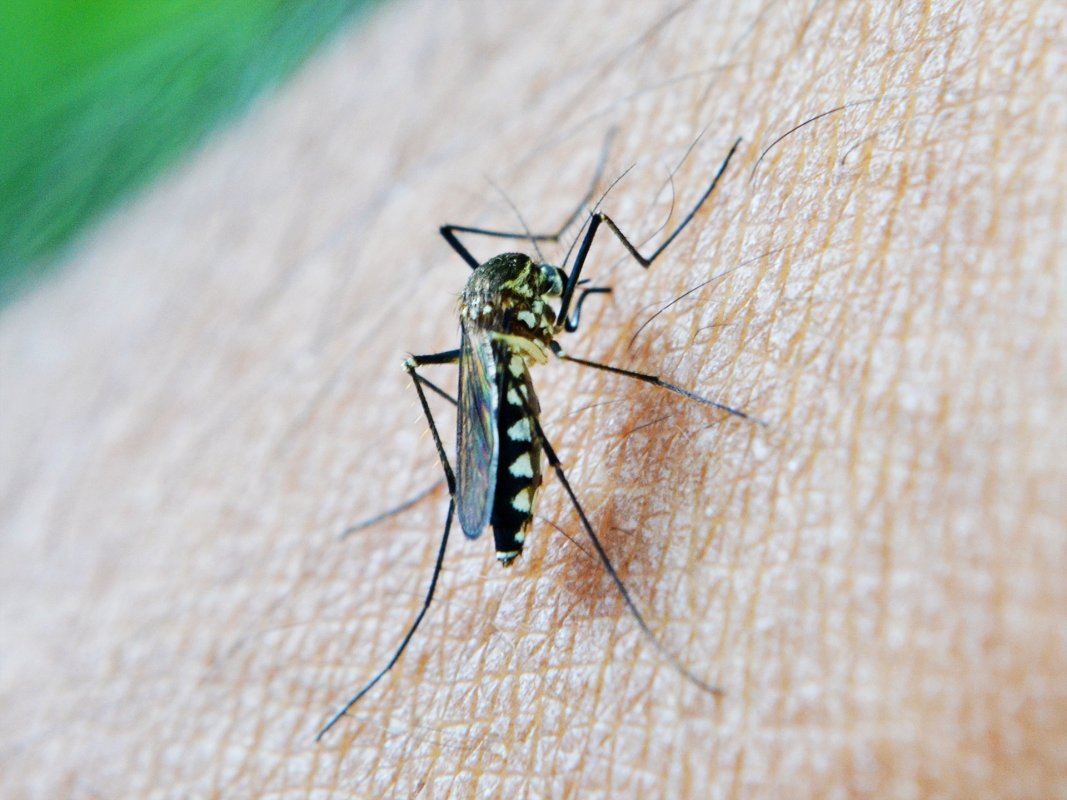
West Nile Virus is a disease transmitted through the bite of infected mosquitoes, with birds being the main natural reservoir. As summer temperatures rise, mosquito activity peaks. Health authorities are urging the public to take necessary preventive measures, such as using mosquito repellent, installing window screens, and eliminating standing water, to reduce the risk of infection. The elderly and individuals with weakened immune systems should be particularly cautious.
Caution for Beachgoers: Violations Can Lead to Fines of Up to €15,000
With the summer tourist season in full swing, local governments across Spain are tightening regulations on beach conduct and environmental protection. Authorities are reminding visitors that several common beach activities may violate local ordinances and result in hefty fines. For example, washing dishes at public showers, littering, digging large pits in the sand without permission, camping, or starting fires are all prohibited. Some beaches also have specific restrictions on pets and the use of sound systems.
Depending on the severity of the offense, fines can vary significantly. Minor infractions can incur penalties of up to €3,000, while serious damage to the environment or public facilities can lead to fines as high as €12,000 to €15,000. These rules are designed to protect coastal ecosystems and ensure a safe, clean recreational environment for all visitors.
Socio-Economic Briefs
- 2030 World Cup Preparations: The Spanish government plans to hold a meeting with FIFA in September 2026 to coordinate preparations for the 2030 World Cup, which will be co-hosted by Spain, Portugal, and Morocco.
Food Supply Chain Law Enforcement: In the three years since the implementation of the Food Supply Chain Law, Spain’s Ministry of Agriculture, Fisheries and Food has issued over 460 administrative sanctions to regulate agricultural product transactions and protect farmers’ incomes. Data shows that approximately 95% of the penalties were imposed on suppliers and producers, rather than large retailers.
Volkswagen’s New Strategy: To address overcapacity issues, German automaker Volkswagen is considering using its European factories to offer contract manufacturing services for other car brands. This move aims to increase production line utilization and adapt to the changing competitive landscape of the global automotive industry.
