Deepening Military Standoff in the Middle East: Iran Closes Strait of Hormuz
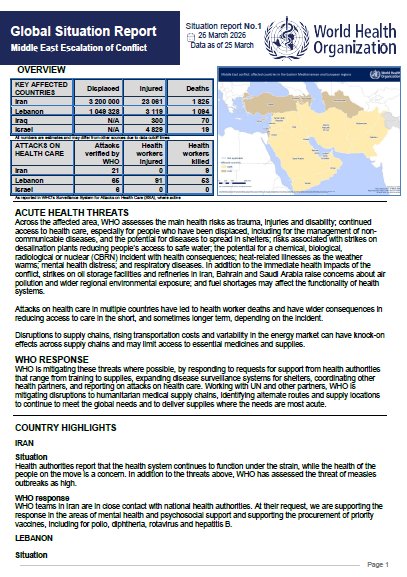
On July 12, 2026, local time, tensions in the Middle East escalated further as the United States and Iran engaged in a new round of cross-border strikes. In response to U.S. airstrikes, Iran announced the closure of the critical international shipping lane—the Strait of Hormuz—stating that it will remain closed until the U.S. ceases its interference in the region. Tehran also warned that any attempt to resume shipping will be met with a military response.
The escalation follows a collapsed ceasefire agreement. U.S. Central Command revealed that its forces had struck approximately 140 Iranian military targets in the past few hours, bringing the total over the last three nights to more than 300. The operation aims to degrade Iran’s ability to threaten maritime navigation. In retaliation, Iran’s Revolutionary Guard Corps announced missile and drone attacks on U.S. military facilities in countries including Qatar, Kuwait, Bahrain, the UAE, Oman, and Jordan, targeting command centers and logistics facilities. The international community has expressed deep concern that the widening conflict could further destabilize the region.
Severe Security Situations in Multiple Global Locations
Nigeria’s School Kidnapping Crisis Continues
In Nigeria, violent attacks and kidnappings targeting schools have evolved into a decade-long security crisis. Statistics show that over the past ten years, more than 2,000 students have disappeared in various kidnapping incidents. Since the Boko Haram organization abducted 276 Chibok schoolgirls in 2014, such crimes have intensified. Recently, another attack on a school in Borno State resulted in 47 students being kidnapped and multiple casualties among students and staff. The prolonged insecurity has severely impacted the local education system, forcing many schools to close and leaving a large number of children out of school. Despite a series of security measures by the government, the problem persists due to poverty and poor local governance.
Fatal Shooting at Toronto Music Festival
In North America, Canada’s largest city, Toronto, also faced a security incident. On the evening of July 11, a shooting occurred near the site of the annual ‘Salsa on St. Clair’ street festival, leaving at least 2 people dead and 4 injured. Police arrived at the scene around 8 p.m. after receiving a report and found six gunshot victims. Preliminary investigations suggest the shooting may have stemmed from a personal conflict between two individuals. Police have recovered two firearms at the scene and are conducting a follow-up investigation using surveillance footage and witness testimonies.
Major Wildfire in Southern Spain Finally Under Control
In southern Spain, a devastating forest fire has finally been brought under control. The wildfire in the municipality of Los Gallardos in Almería province, Andalusia, was stabilized on July 12. The fire resulted in the tragic deaths of 12 people and burned approximately 7,000 hectares of forest land, making it one of the worst forest fires on record in the autonomous community.
As the fire has been mitigated, about 1,000 evacuated residents have been permitted to return to their homes in stages. Firefighters remain on-site to extinguish remaining hotspots and strengthen firebreaks to prevent reignition. A preliminary investigation suggests the cause of the fire may have been a fallen cable from a private power line, while sustained high temperatures, strong winds, and drought conditions accelerated its spread. Spain’s Guardia Civil is assessing the damage in the affected area and assisting with recovery efforts.
Tech and Society Focus
Chinese Aerospace Explores New Launch Technology
In the technology sector, a Chinese commercial aerospace company is advancing a new technique called “Supercritical Carbon Dioxide Cold Launch.” This technology uses carbon dioxide, the same medium found in carbonated drinks, to store immense energy in a supercritical state. During launch, the high-pressure gas first “ejects” the rocket from the platform to a certain altitude before the engine ignites. This “launch-first, ignite-later” method avoids damage to launch facilities from high-temperature exhaust, thereby reducing maintenance costs and increasing launch frequency and safety, potentially revolutionizing the commercial aerospace industry.
Madrid Shelter Reflects Societal Change
In Madrid, Spain, the story of a children’s shelter illustrates social progress and the continuity of care. Years ago, the institution once specialized in housing and caring for children with HIV, providing them a home filled with dignity and love in an era rife with discrimination. With medical advancements, its services have now expanded to include more minors in need due to family hardships. The director stated that although the services have changed, the original mission “to accompany and protect children” remains unchanged, making the shelter an important symbol of charitable efforts in child protection.
