I’ve seen a lot of posts about choosing a major on the forums lately, so I thought I’d chime in and share some insights on a niche but fascinating field: botany. Spain’s climate is incredibly diverse, ranging from the Mediterranean to the Atlantic and the Pyrenees, resulting in amazing plant diversity. This makes studying botany studies in Spanish universities here an excellent choice for combining theory with hands-on practice.
So, why is Spain an ideal place to study botany? Beyond its exceptional natural environment, Spain has a long history in botanical research. Many universities have close partnerships with local botanical gardens and national parks. Imagine your practical classes involving visits to the Royal Botanical Garden or collecting field samples in a national park—how cool is that?
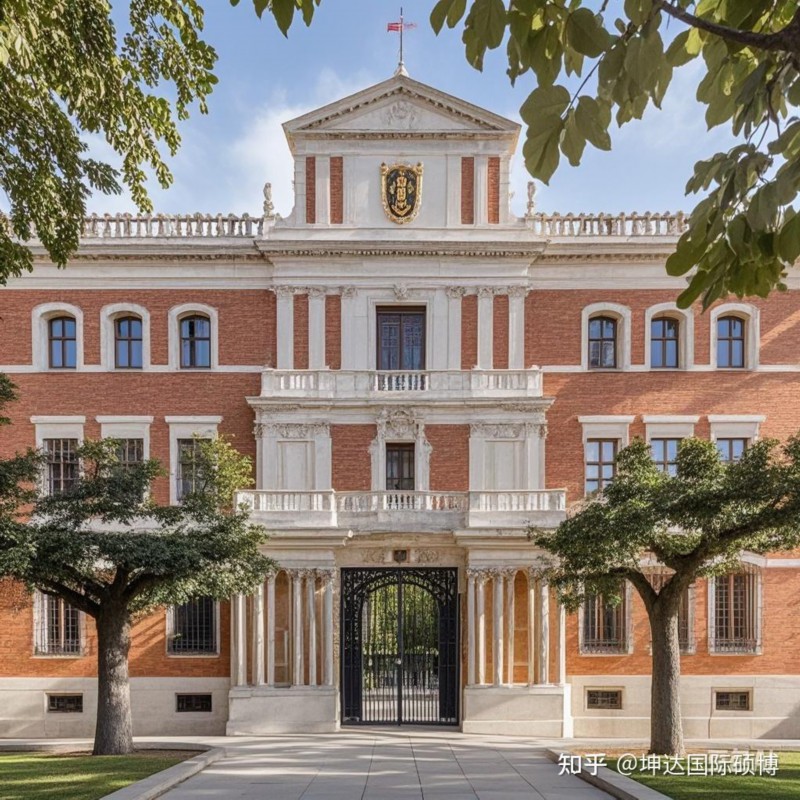
A Look at Top Spanish Universities for Botany
While there isn’t an official ranking specifically for “Botany,” we can look at broader rankings like Biological Sciences or Agriculture & Forestry, as their curricula often include extensive botany coursework. Based on world university rankings like QS and ARWU, as well as local Spanish assessments, I’ve compiled a list of several strong universities in this field. You can find more details in these rankings for botany programs in Spanish universities for your reference.
| University | City | Highlights |
|---|
| Complutense University of Madrid | Madrid | Rich history, close collaboration with the Royal Botanical Garden |
| University of Barcelona | Barcelona | Biodiversity research and Mediterranean ecology |
| Autonomous University of Madrid | Madrid | Focus on the intersection of molecular biology and ecology |
| University of Granada | Granada | Features a unique Sierra Nevada ecological research station |
| Polytechnic University of Valencia | Valencia | Strong in applied plant sciences and agricultural technology |
I’d like to give a special mention to the Complutense University of Madrid (UCM), whose Faculty of Biology is one of Spain’s best. UCM students have a prime advantage, as they can frequently visit the adjacent Royal Botanical Garden of Madrid for practical work and study. The resources at its herbarium and library are a paradise for botany students! The University of Barcelona, on the other hand, focuses more on the plant ecology and biodiversity conservation of the Mediterranean region, which is also very distinctive.
So, that’s the information I’ve gathered. It’s by no means exhaustive—after all, I’m not an admissions officer, just a regular person who loves plants. The information is mainly sourced from major ranking websites and official university pages. I hope it provides some inspiration for students currently choosing a university. Feel free to add to the discussion, especially senior students in this program—please come and share your real experiences!
