A Wave of ‘Excess Deaths’ Amid Extreme Heat
As July 2026 begins, a third heatwave is engulfing Western Europe, putting the continent under a severe ‘test by fire’. According to official statistics, a single heatwave in late June alone caused over 10,000 ‘excess deaths’ in Europe—a figure representing the number of fatalities above the historical average for the same period. Data shows France recorded an additional 2,025 deaths that week, with over 85% being individuals aged 65 and older. Belgium reported 1,222 additional deaths, while the Netherlands and Spain saw increases of 480 and over 1,000, respectively. This phenomenon highlights the grim reality of Europe being the fastest-warming continent, with its temperature rising at twice the global average rate.
Andalusia, Spain: The Deadliest Wildfire in Two Decades
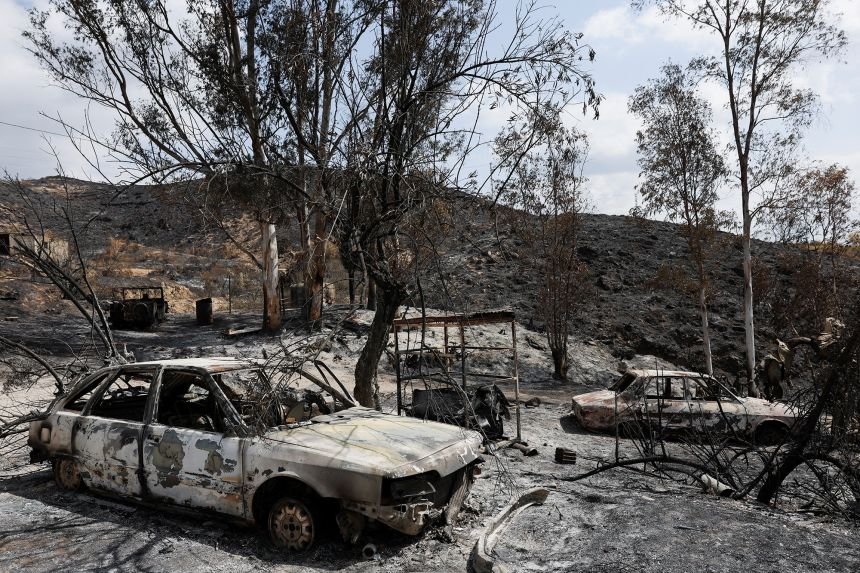
In Spain’s southern Andalusia region, a devastating forest fire has become the most tragic event of the current heatwave. The blaze, which started on July 9 in the province of Almería, has been confirmed to have killed 13 people and left 10 missing as of July 13, making it Spain’s deadliest fire in over two decades. A preliminary investigation suggests the fire may have been caused by a fallen power line. Fueled by temperatures exceeding 40°C (104°F) and strong winds, the fire spread rapidly, consuming 7,000 hectares of land, including forests and farmland. Among the victims, 12 are believed to be foreign tourists, with one being a Spanish citizen. Some victims were trapped in their cars while trying to flee, while others perished while escaping on foot. Currently, more than 1,400 residents and tourists have been evacuated, and Spanish Prime Minister Sánchez has flown to the disaster area to inspect the situation.
Fontainebleau, France: Arson Suspected at Historic Site
In France, high temperatures and drought have also led to fires. On the evening of July 12, a fire broke out in the Forest of Fontainebleau, a famous historic site and former royal hunting ground located about 60 kilometers from Paris. Officials described the blaze as ‘spreading rapidly’ and of an ‘unprecedented scale.’ Authorities deployed four hundred firefighters and, in a rare move for the Greater Paris region, used two water-bombing aircraft to draw water from the Seine River. The fire destroyed approximately 800 hectares of woodland. Particularly suspicious were the more than ten separate fire-starts found within a one-kilometer radius, strongly suggesting arson. French police have since arrested two suspects in connection with the incident. The fire occurred during the peak travel period of the Bastille Day weekend, forcing the closure of the A6 motorway between Paris and Lyon and causing significant train delays, severely disrupting public transport.
A Chain Reaction Under the Climate Crisis
The disasters in France and Spain are not isolated incidents. On July 13, a wildfire also broke out in Wales, UK, and Croatia’s island of Krk experienced a forest fire on July 11. The entire European continent is facing a chain reaction triggered by climate change. On one hand, in a continent where historically only 20% of households had air conditioning, the demand has surged during the prolonged heatwaves, posing a challenge to the power supply. For example, in France, high river water temperatures have made it impossible to effectively cool nuclear power plant reactors, forcing several units to shut down or operate at reduced capacity. From excess deaths and out-of-control wildfires to the strain on energy infrastructure, the summer of 2026 is revealing the harsh consequences of climate change to Europe in an extreme way.
