According to data from Spain’s State Meteorological Agency (Aemet), the country’s average temperature has significantly risen by 1.8°C since the 1960s, with heatwaves lasting about three days longer each decade. As we face an expectedly scorching summer in 2026, air conditioning has transitioned from a luxury to a necessity.
Solar Power is Upending Traditional Electricity Price Models
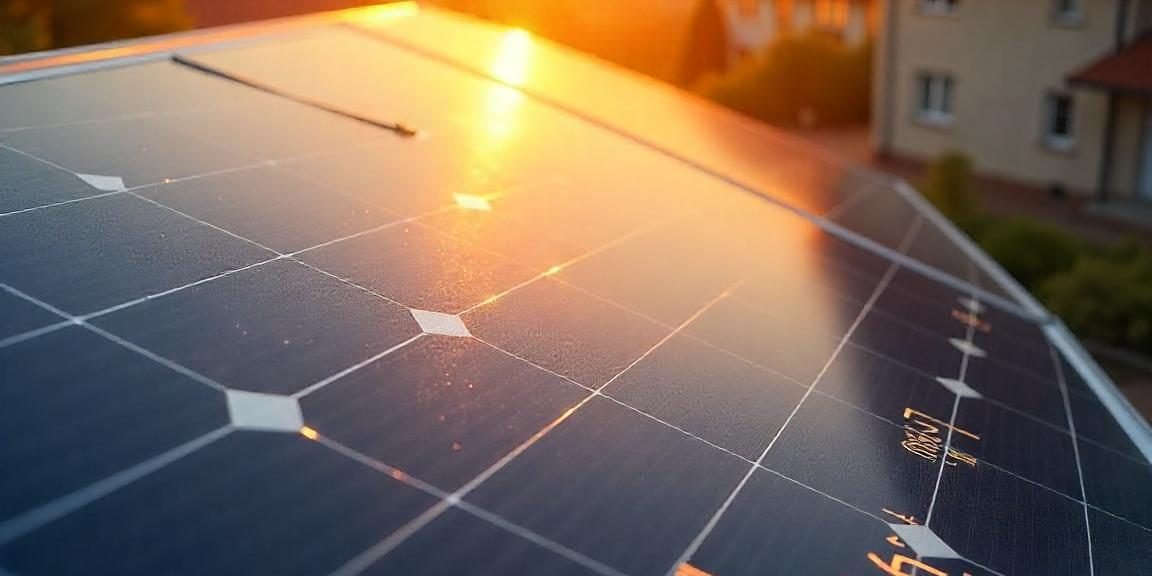
In recent years, an explosive growth in photovoltaic installations in Spain has been reshaping its electricity market. Energy expert Pol Brau explains that this transformation is overturning traditional electricity price patterns. Between 11:00 AM and 5:00 PM, when sunlight is strongest and generation is at its peak, a massive influx of solar power floods the grid. This causes wholesale market prices to plummet, frequently resulting in ‘zero prices’ or even negative prices. For users on a time-of-use tariff (known as PVPC in Spain) or contracts linked to market prices, this means the most expensive time for electricity is no longer during the traditional daytime hours.
New AC Strategy: Seize the ‘Low-Price’ Golden Hours
For air conditioning units, which typically consume between 800 and 2500 watts, high electricity bills are a major concern for many households. However, under the new price structure, running your AC between 11 AM and 5 PM allows you to take advantage of the market’s low or zero-price periods. This timeframe, once considered a peak and expensive period for electricity use, has now become the most cost-effective ‘golden hour’ for cooling your home. Consumers can adjust their habits to enjoy comfort at a lower cost.
Correcting Common Myths: How to Avoid Wasting Electricity
Experts also highlight two common mistakes in air conditioner use that lead to unnecessary energy waste.
The first is the habit of setting it to 18°C immediately upon returning home. This doesn’t cool the room any faster; instead, it forces the compressor into overdrive, causing a surge in power consumption. The second mistake is frequently turning the AC on and off. The initial power draw when an AC starts is much higher than during stable operation, making constant cycling a real ‘bill killer.’ The correct approach is to set a comfortable temperature, between 24°C and 26°C, and let the unit run consistently to maintain it.
A Combined Strategy: Physical Cooling and Smart Energy Use
For even greater energy savings, experts recommend a combined strategy. For instance, set your AC to 25°C and turn on a fan, which only uses 30-75 watts. The improved air circulation can make it feel about 2°C cooler. Studies show that for every degree you raise the thermostat, you can save 7% to 8% on electricity.
Simple physical insulation measures are also highly effective. During the day, draw the curtains and keep windows and doors closed to block direct sunlight. In the cooler early morning or late night hours, open windows to create a cross-breeze. Additionally, avoid using high-power appliances like ovens during the hot afternoon. This helps reduce indoor heat and the overall electrical load, protecting your wallet this summer.
