A Nationwide Celebration in Red
On the evening of Tuesday, July 14, a major football match brought Spain to a standstill. As the Spanish national team secured a 2-0 victory over France, a nationwide celebration erupted. Despite it being a workday and with some regions like Andalusia battling wildfires, the public’s passion for football was undiminished.
Before the match, city streets emptied out earlier than usual as masses of people finished work early and flocked to bars, squares, or any public space with a television screen. From corporate managers to building concierges, people from all walks of life donned the national team’s red attire or draped themselves in the national flag, treating the match as a moment of national honor. For businesses like bars, retail stores, betting agencies, and the tourism industry, the game also presented a significant commercial opportunity.
Madrid’s Dilemma: Country or Club Star?
In the capital, Madrid, fans’ emotions were particularly complex. With French superstar Kylian Mbappé playing for Real Madrid, local supporters found themselves in a conflicted state while watching the game. On one hand, they cheered for every Spanish attack; on the other, they couldn’t completely suppress their admiration for their club’s star player whenever he showcased his exceptional individual skills on the pitch.
This complex mix of feelings became even more apparent after the match. While the vast majority of fans rejoiced in the national team’s victory, some Real Madrid supporters, though slightly disappointed by Mbappé’s loss, were also relieved that their key player could end his national team duties early and return to the club to prepare for the new season. This unique blend of sentiments formed a distinct part of the Madrid fan experience.
From Cibeles to Sol: Scenes of Victorious Revelry
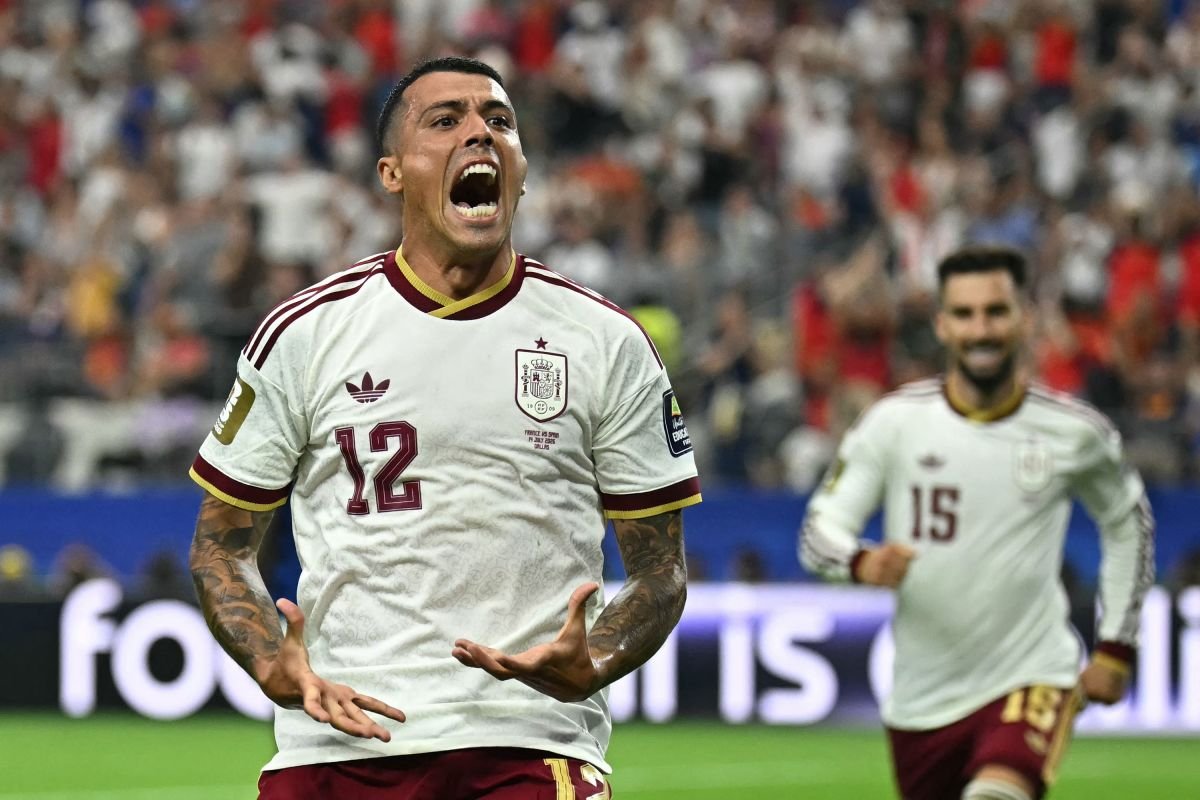
The moment the final whistle blew, celebrations erupted in major cities across Spain. In Madrid, crowds of fans spontaneously converged on traditional celebration landmarks like Plaza de Cibeles and Puerta del Sol, waving flags and singing songs, turning the night streets into a sea of joy. Other locations like Plaza de Colón also drew large crowds of fans, all sharing in the elation of victory.
Beyond the 90 Minutes: A Collective Chord in a Diverse Society
The impact of this football victory extended far beyond the realm of sports, touching multiple facets of Spanish society. For many immigrants, expatriates, and new residents, while the win might not directly change their living situations, this moment of national participation allowed them to feel the pulse of society. From the busy shop owner behind the bar to the driver taking fans home late at night, and the merchant handling international trade, people from different walks of life found a brief moment of shared connection in the collective excitement.
This victory also serves as a footnote in observing the changes in Spanish society. Looking back over the past decade, Spain has endured economic downturns, a pandemic, rising housing prices, and various natural disasters, but has also witnessed historic moments like the Women’s World Cup victory and the completion of the main structure of the Sagrada Família. Princess Leonor, once a spectator at the Calderón Stadium, is now a military officer; the old Bernabéu Stadium has been renovated into an ultra-modern arena. Amidst these changes, football matches act as temporal anchors, documenting the unique rhythm of life and collective passion that this country maintains through its slow but steady evolution.
