Housing Squeeze Fuels a Storage Boom
Spain’s continually rising property prices and rents have had a direct impact on daily life in recent years. To manage the high cost of living, many households are forced to downsize into smaller ‘micro-apartments,’ resulting in a critical shortage of storage space. Finding a place for items like bicycles, seasonal clothes, or belongings during a move has become a widespread challenge.
In this climate, renting an external storage unit has emerged as the most cost-effective solution. This trend is directly fueling explosive growth in demand for self-storage. In the cities hardest hit by high property prices, like Madrid, Barcelona, and Valencia, occupancy rates in some central locations have reached nearly 100%.
Market Status: Prices and Demand Skyrocket
The surge in demand for storage has transformed from a temporary need into a structural constant. Industry data shows that in the Madrid area alone, self-storage prices have jumped by approximately 40% over the last two years.
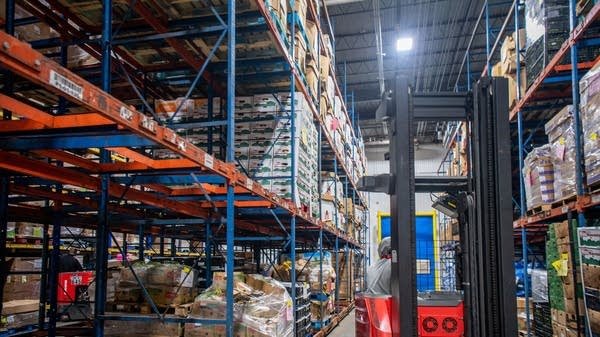
Seasonal factors further drive demand. Summer is the traditional peak season for the industry, with a concentration of moves, home renovations, and holiday storage needs. During this period, the national average occupancy rate for storage facilities reaches 77%, soaring to over 95% in prime metropolitan areas. A notable trend is that around 20% of customers upgrade to a larger unit after their initial rental, suggesting that people widely underestimate the severity of their own space constraints.
A Structural Bottleneck: Supply Can’t Keep Up with Demand
Despite explosive demand, the supply side of Spain’s self-storage market is lagging significantly, creating a stark mismatch. Currently, Spain offers only about 0.04 square meters of storage space per capita—less than half that of the United Kingdom, Europe’s market leader. This supply shortage not only hinders market growth but also intensifies upward pressure on rental prices.
User Habits and Emerging Service Models
Regarding user behavior, data reveals that over half (50%) of renters seldom visit their unit after storing their belongings. Only about 30% of customers access their units regularly to organize or retrieve items. This highlights a key pain point in the traditional self-storage model: a lack of convenience.
To address this issue, innovative companies are introducing ‘on-demand storage’ services. This model eliminates the hassle of self-transport and management by offering professional pick-up, storage, and on-demand delivery of items. This flexible and efficient solution provides a new alternative for households seeking extra space amidst the pressures of high-cost urban living.
