Subconscious Processing: Your Brain Is Forced to ‘Work Overtime’ During Sleep
Spanish health experts are sharply criticizing the common habit of using TV background noise to fall asleep. Health psychologist Oceanía Martín states plainly that the belief that TV sounds can aid sleep without ‘requiring brainpower’ is a widespread misconception. She explains that even when you aren’t consciously paying attention, your subconscious mind continues to process these audiovisual signals. This prevents the brain from entering a truly deep state of rest, significantly diminishing the restorative functions of sleep.
Functional Confusion: The Bedroom Is No Longer Just for Rest
Psychology experts further explain that the brain tends to create conditioned responses, associating specific spaces with specific activities. Ideally, the bedroom should be a ‘sanctuary’ dedicated solely to rest and sleep. However, when entertainment devices like TVs and smartphones enter the bedroom, the space takes on multiple functions—entertainment, socializing, and even work. This severely weakens the psychological association of the bedroom as a place exclusively for sleep. Over time, your body may struggle to automatically receive the biological signal to ‘prepare for rest’ upon entering the bedroom, leading to difficulty falling asleep or a decline in sleep quality.
Blue Light and Content: Disrupting Rhythms and Your Nervous System
Beyond the psychological impact, the blue light emitted from TV screens is another key negative factor. Blue light suppresses the secretion of melatonin, the crucial hormone that regulates the body’s circadian rhythms and induces sleep. Furthermore, thrilling plots, breaking news, or emotionally charged social interactions on TV can put the nervous system on high alert or in an agitated state, which is counterproductive to the relaxation needed for sleep. Marta Calderero, an expert from the Open University of Catalonia (UOC), adds that although the blue light from a TV has a relatively smaller impact compared to close-range devices like smartphones and tablets, its nature as a ‘stressor’ remains unchanged, making it a major obstacle to modern sleep hygiene.
Return to Tranquility: Experts Urge Rebuilding a Healthy Sleep Environment
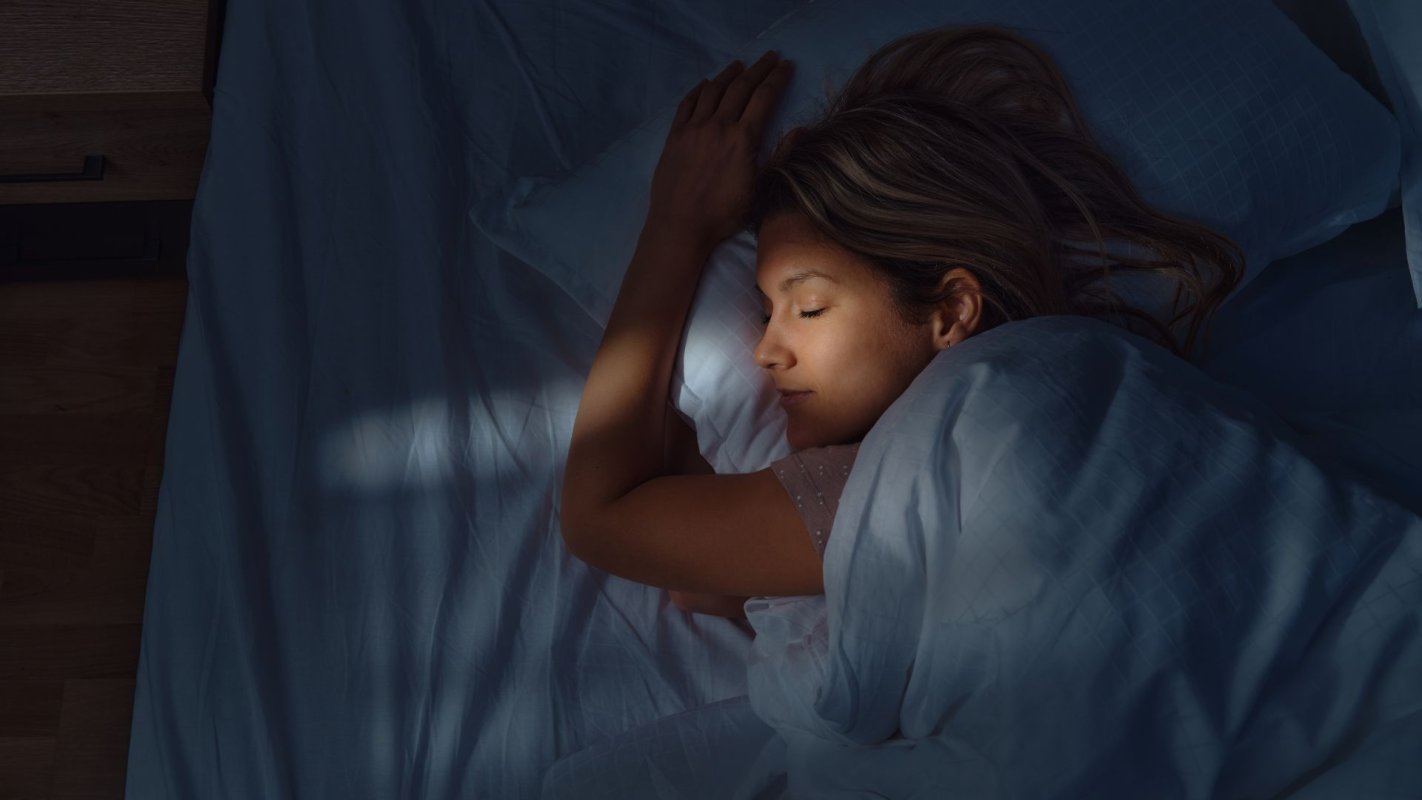
To improve sleep quality, experts are unanimously calling on the public to take action and restore the ‘tranquil’ nature of the bedroom. Key recommendations include: removing TVs and all other electronic devices from the bedroom; stopping smartphone use about an hour before bed; and switching to calming activities like reading a physical book, listening to soft music, or practicing deep breathing exercises. As psychologist Elisa García emphasizes, the period before sleep is crucial for regulating emotions and calming the mind. People need to re-evaluate their sleep habits and prevent electronic devices from continually encroaching on precious rest time to safeguard long-term physical and mental health.
