According to official data from the National Statistics Institute (Instituto Nacional de Estadística), Spain’s annual Consumer Price Index (IPC) growth rate for June 2026 held steady at 3.2%, matching the previous month’s figure. Despite the stable annual rate, monthly inflation has now risen for the fifth consecutive month, indicating that upward pressure on prices persists.
Energy Prices Rebound, Pressuring Cost of Living
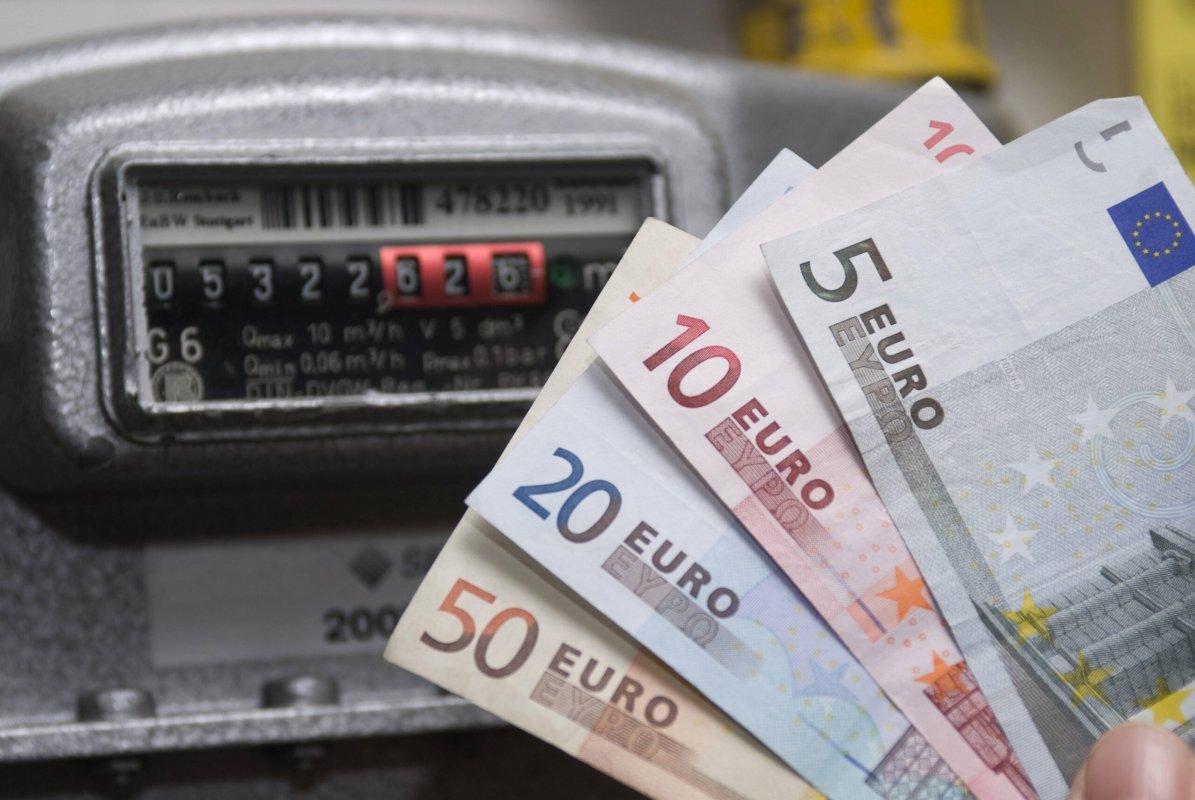
The primary driver of this round of inflation remains energy prices. As the temporary tax relief measures for electricity and natural gas, implemented by the government to tackle the energy crisis, have expired, the Value-Added Tax (IVA) on these goods has returned to the standard 21%. This adjustment has directly led to another increase in electricity and gas bills, adding to the financial burden on households and businesses. Furthermore, ongoing geopolitical tensions in the Middle East have introduced uncertainty into the international energy market, indirectly affecting Spain’s energy costs.
Food and Core Inflation Show Signs of Slowing
While overall prices are under pressure, there are positive signs in some areas. Data shows that the food inflation rate dropped further from 2.2% in May to 1.9% in June, its lowest level since 2025. Concurrently, a decrease in the prices of automotive fuels and lubricants has partially offset the impact of rising electricity and gas costs. However, analysts point out that the decline in food prices is not uniform, with many basic consumer goods remaining expensive, and public perception of the high cost of living remains strong.
Another key indicator, the core inflation rate (which excludes volatile energy and unprocessed food prices), edged down from 3.0% in May to 2.9%. This decrease is mainly attributed to a slowdown in the price growth of some tourism-related services, suggesting a slight easing of underlying long-term price pressures.
EU Data Comparison and Government Response
From a Eurozone perspective, Spain’s Harmonised Index of Consumer Prices (HICP) saw a year-on-year increase of 3.6% and a month-on-month increase of 0.6% in June. This figure is significantly above the 2% inflation target set by the European Central Bank (ECB), indicating that Spain’s price growth remains at a relatively high level within the EU.
In response to the price challenges, the Spanish government has stated that thanks to recent sustained investment in renewable energy and improved energy self-sufficiency, the country is more resilient than before in dealing with shocks from the international energy market. The government emphasized that it will closely monitor price developments and maintain a dialogue with all sectors of society, ready to introduce new measures if necessary to cushion the impact of the international situation on the domestic economy and people’s livelihoods.
