The State of Spain’s Pension System: Gaps and Challenges
According to data released by the Spanish Social Security department in June 2026, Spain’s current pension system faces significant internal disparities. The data shows there are approximately 6.5 million retirees with an average retirement age of 65.3, receiving an average monthly pension of €1,572.80. However, this average masks a huge chasm between different working groups: the average pension for regular employees is around €1,732.20, while for the self-employed (autónomos), it is only €1,060.60. With the continuous rise in the cost of living, whether public pensions alone can guarantee a decent retirement has become a pressing social issue.
Expert Perspective: The “Golden Window” for Retirement Planning
Spanish entrepreneur and financial advisor Javier Linares, when discussing this issue, emphasizes that the biggest mistake many people make in financial planning is waiting until they are close to retirement, at 55 or even 60, to start. He states that the timing of starting retirement planning is crucial because the longer the investment period, the more significant the wealth growth from the compound effect. However, he also sends a positive message to the middle-aged: even at 45 or 50, it is by no means too late to start.
Starting at 50: A Realistic Investment Window
Linares believes that, considering Spain’s aging population trend, the legal retirement age will likely continue to be postponed in the future, possibly moving towards 70. This means a 50-year-old worker still has an investment window of nearly 20 years. He advises that rather than trying to predict the market’s “best entry point,” it is better to adopt a consistent and regular investment strategy. Long-term financial discipline is far more effective at ensuring steady wealth accumulation than speculative short-term trading.
Case Study: The Potential of a €500 Monthly Investment
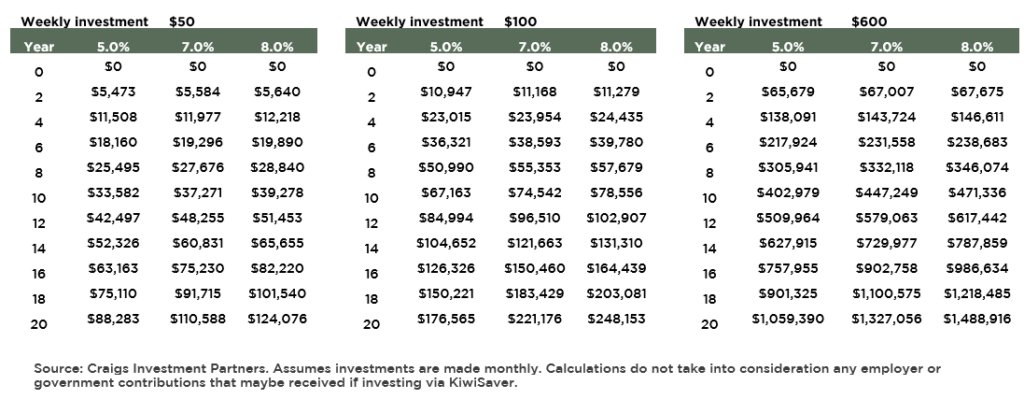
To illustrate the value of long-term investment, Linares provides a clear scenario: if a 50-year-old individual starts saving and investing €500 per month for 20 years, based on a stable long-term annualized investment return, they could accumulate a fund of approximately €382,000 by retirement. This asset not only serves as a strong supplement to the public pension—for instance, generating over €1,000 in extra passive income per month through asset allocation—but also provides a solid financial foundation for purchasing a second home, covering unexpected medical expenses, or generally enhancing the quality of retirement life. The expert concludes that the key to a quality retirement is not a “final push” before retiring, but rather long-term financial planning and consistency throughout one’s career.
