Passenger Traffic Continues to Climb, with Madrid Airport Leading the Way
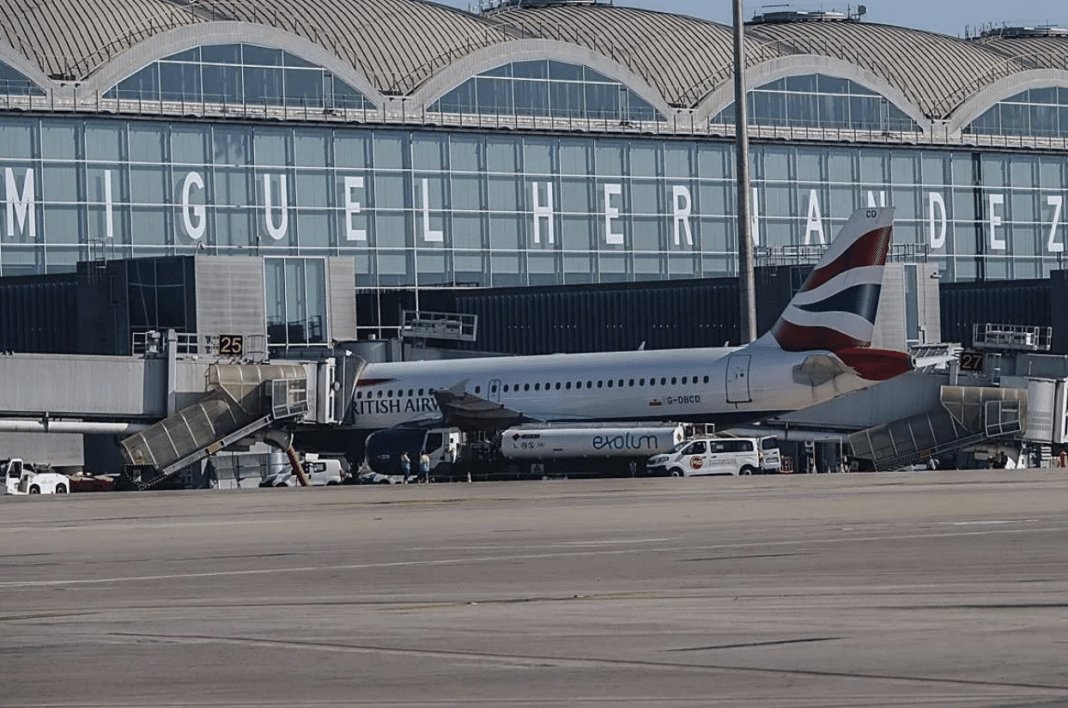
According to the latest statistics from Spain’s airport operator, Aena, the Spanish airport network handled a total of 156.24 million passengers in the first half of 2026, a 3.7% increase compared to the same period last year. With the onset of the peak tourist season in June, the growth momentum continued, with the monthly passenger count exceeding 31.64 million, up 3.8% year-on-year.
In terms of aircraft movements, Spanish airports managed approximately 1.33 million flights in the first half of 2026. Among them, Adolfo Suárez Madrid-Barajas Airport maintained its position as the nation’s busiest airport, with a passenger throughput of over 6.08 million in June.
Historic Investment Focuses on Alicante Airport
To cope with the sustained growth in passenger traffic and enhance the travel experience, Aena has officially launched its future airport development plan. The Alicante-Elche Miguel Hernández Airport will be at the core of this initiative, set to undergo the most significant upgrade and modernization project since its construction.
The total investment for the project is estimated to exceed €1.154 billion. According to the plan, the first phase will see an investment of €453 million between 2027 and 2031, with subsequent phases continuing until 2036. This marks the first large-scale modernization and expansion since the airport’s current terminal was opened in 2011.
Comprehensive Overhaul: Boosting Capacity and Introducing New Technology
The expansion plan will increase the total area of Alicante Airport by nearly 30%. The renovation will cover multiple aspects, including adding more boarding gates, expanding waiting areas, and introducing more commercial and dining facilities. Key infrastructure such as security checkpoints, baggage handling systems, and aircraft aprons will also be fully upgraded.
A noteworthy development is the construction of a new dedicated area for non-Schengen flights. This move is designed to prepare for the upcoming European Union Entry/Exit System (EES). In the future, travelers from non-EU countries will complete their entry registration using biometric technologies such as facial recognition and fingerprint scanning, gradually replacing the traditional passport stamping process to improve border control efficiency.
Boosting Regional Economy and Transport Connectivity
In addition to hardware upgrades, the plan forward-lookingly includes provisions for a future metro station, aiming to enhance the airport’s long-term seamless connectivity with the city’s public transport system.
Aena stated that this investment of over €1.1 billion will not only significantly increase the airport’s capacity and reduce passenger waiting times but also further solidify Alicante’s strategic position as an international tourist destination. As the airport’s infrastructure improves, it is expected to have a positive ripple effect on local tourism, employment, commerce, and the real estate market, injecting new growth momentum into the entire regional economy.
