Dust Levels Soar, Southern Europe a Major Hotspot
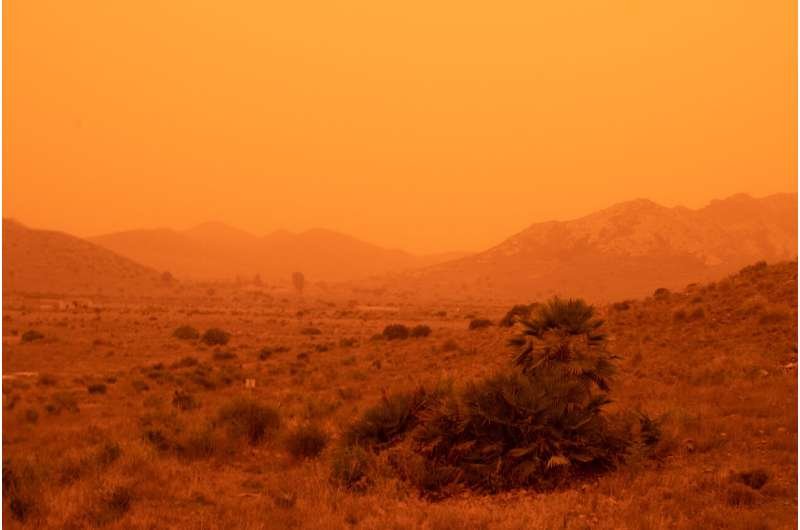
According to a major study published in the international scientific journal Nature, analysis of data from over 100 air quality monitoring stations in Europe over the past decade, combined with artificial intelligence models, has shown that the frequency and intensity of Saharan dust affecting Europe are on the rise. The findings indicate that in parts of Southern Europe, including Spain, Portugal, Italy, western France, and Greece, dust concentrations have increased by 10% to 25% in the last decade.
Among all European countries, Spain has been particularly affected, especially its southern Canary Islands and the Iberian Peninsula. Currently, the average dust concentration in Southern Europe’s air has reached 5.3 micrograms per cubic meter, a level more than double the average in Central and Northern Europe.
Climate Change Identified as the Main Driver
The research team points out that the primary reason behind this phenomenon is global climate change. Changes in atmospheric circulation patterns caused by climate change make it easier for southerly winds from Africa to transport dust to the European continent. Meanwhile, ongoing land drought and desertification in North Africa have created more favorable conditions for the formation and long-distance transport of dust. These two factors combined have led to a significant increase in the amount of dust reaching Europe.
Potential Threats to Public Health
Researchers emphasize that Saharan dust is not harmless natural dust and can pose multiple health risks. The dust particles can penetrate deep into the respiratory system, and long-term exposure may increase the risk of developing respiratory diseases such as pneumoconiosis, asthma, and chronic bronchitis.
Furthermore, the study found that on days with sharp increases in dust concentration, there is a noticeable rise in deaths due to cardiovascular and respiratory diseases. Children, the elderly, and vulnerable individuals with pre-existing cardiovascular or respiratory conditions are the most at-risk groups and need to be particularly vigilant.
Establishing an Alert System to Meet the Challenge
Faced with the growing threat of dust, the research team recommends that Europe should establish a “dust alert system” similar to urban air pollution warnings as soon as possible. This system would aim to issue timely warnings to the public, especially high-risk groups, before high-concentration dust events occur.
With these alerts, people can take effective protective measures in advance, such as reducing unnecessary outdoor activities during high-concentration periods, keeping windows and doors closed to maintain clean indoor air, or wearing protective masks when it is necessary to go out. These measures will help minimize the negative health impacts of the dust on the public.
