Immigrant Social Security Contributors Surge to a Record High
According to official data from Spain’s Ministry of Inclusion, Social Security and Migration, the number of foreign workers registered with the social security system reached 3.45 million as of this June. This figure represents a significant 11.3% increase from 3.09 million a year ago, reflecting dynamic changes in the labor market. This growth is closely linked to the large-scale immigration regularization process that concluded at the end of June, a policy designed to integrate undocumented immigrants already living in Spain into the formal economy.
Key Sectors Highly Dependent on Foreign Labor
Data shows that some of Spain’s key industries are extremely dependent on foreign labor. The hospitality sector employs the most immigrants, with foreign employees accounting for 31.5% of the industry’s total social security contributors. Due to its relatively low entry barriers and ample job opportunities, the hotel and restaurant industry has become the primary entry point into the Spanish labor market for many immigrants. This is followed by agriculture, where immigrant labor constitutes 28.9%, and the construction industry, at 25.9%. Although these sectors already employ a large number of legal immigrants, informal employment without formal contracts remains a significant issue, which the regularization aims to address.
The Regularization Policy: Combating the Shadow Economy and Offering New Hope
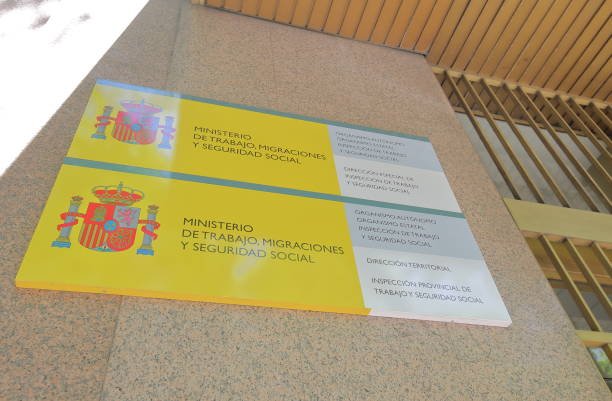
Spain’s Minister of Inclusion, Social Security and Migration, Elma Saiz, has publicly stated that this regularization process “fully demonstrates the necessity of implementing such procedures.” She emphasized that it allows “hundreds of thousands of people who were already living in Spain, but in fear and without legal rights, to face the future with hope and confidence.”
This large-scale legalization is not only a humanitarian measure but also a crucial economic strategy to combat the shadow economy and fill labor shortages. Experts from Spain’s ESADE Business School point out that for the policy to be most effective, it must be accompanied by stronger labor inspection efforts and clear incentives for businesses to encourage the full formalization of employment relationships. If implemented effectively, it is expected to have a significant positive impact on the Spanish economy.
Applicant Profile: Latin American Immigrants Dominate
Preliminary data released by the Ministry of Social Security up to July reveals the national origins of the applicants. Individuals from Central and South America are the predominant group, making up approximately 67% of the total applicants. Among them, Colombian nationals form the largest contingent, accounting for 26% of the total. Applicants from Morocco follow at 13.4%, while those from Venezuela and Peru represent 11.7% and 8.8% respectively, clearly outlining the main beneficiaries of this legalization initiative.
