Summer Loan Volume Hits Record High
According to data from the Bank of Spain, a consumption pattern of ‘borrowing for summer vacation’ is becoming increasingly common in Spain. The data shows that during the peak summer period of July and August 2025, consumer loans taken by Spanish households totaled €7.436 billion, a new record. Compared to the €3.356 billion from the same period in 2015, this figure has surged by 121% over the decade.
Analysts attribute this phenomenon to multiple economic pressures. Persistent inflation has eroded the real purchasing power of residents, while a shift in consumer habits has prompted more families to use credit to finance their vacation plans.
High-Interest Credit Products Exacerbate Debt Risk
In addition to standard consumer loans, a growing number of households are heavily using credit card installment plans to cover immediate expenses like travel, hotels, and entertainment. However, the financial risks associated with these credit products are significant. Many credit card installment services carry an Annual Percentage Rate (APR) exceeding 20%, far higher than the interest rates on typical personal loans, making it easy for debt to snowball with long-term reliance.
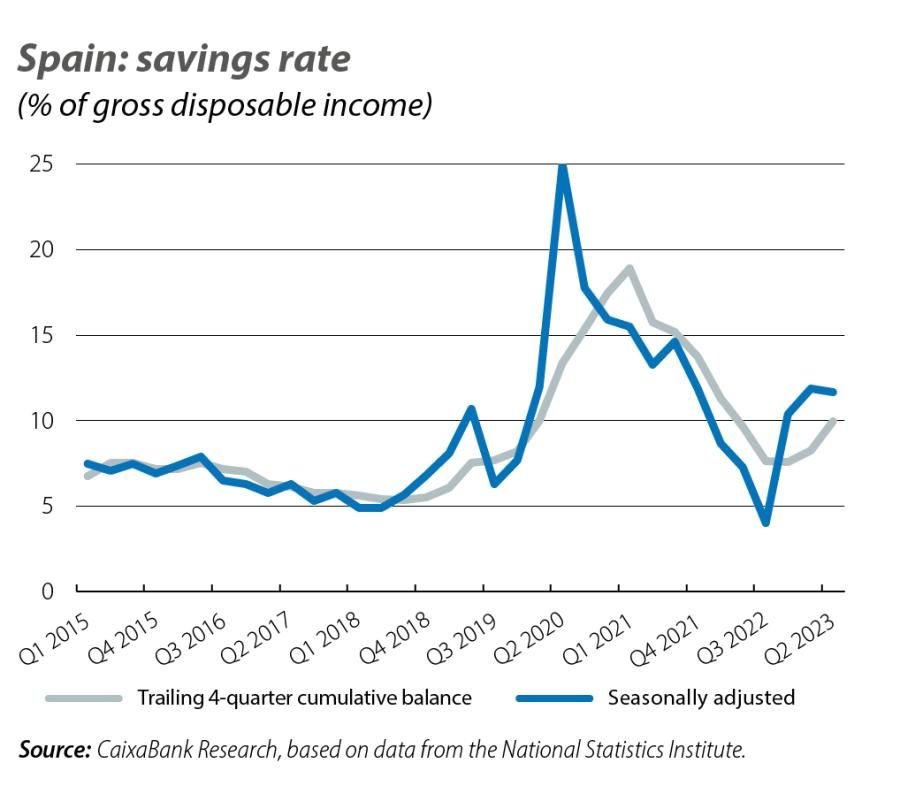
This trend is ongoing. Data as of May this year indicates that loan applications related to tourism continue to rise, and the market anticipates that the total consumer loan volume for the summer of 2026 could set another record.
The ‘Cuesta de Septiembre’ and the State of Household Debt
More concerning is that many families’ borrowing has become cyclical, with them taking on debt year after year for their holidays. Lenders have observed that debt incurred during the summer often overlaps with back-to-school expenses in September, creating what is known as the ‘Cuesta de septiembre’ (the ‘September slope’), which plunges many households into severe cash flow problems in late summer and early autumn.
The Bank of Spain’s Spring 2026 Financial Stability Report also highlighted the prevalence of household debt. The report indicates that 54% of Spanish households are still carrying some form of debt. Among these indebted families, about one-third must allocate over 30% of their monthly income to repay loans and interest, with middle-income households facing particularly significant financial pressure.
Expert Warning: Beware of a Consumption Model Reliant on Borrowing
Industry experts warn that while holiday spending itself is not the problem, a pattern of relying on loans to cover both daily expenses and leisure activities is a cause for serious concern. If households consistently use high-interest consumer loans or credit card installments to bridge budget gaps, it not only significantly increases their financial burden but can also negatively affect their credit history, thereby impacting their ability to secure long-term financing like mortgages or car loans in the future.
Experts advise that when planning for large expenses like summer vacations, consumers should first create a realistic budget based on their income. They should spend within their means and try to avoid taking on long-term debt to satisfy short-term consumption desires.
