As Spain continues to endure heatwaves, significant shifts are occurring in residential electricity consumption patterns and costs. A new analysis from the energy comparison platform Hello Watt reveals that nighttime hours, long considered a ‘low-price period,’ are experiencing an unusual price surge during high temperatures. This trend upends the common belief that running air conditioning at night is cheaper. For households on the PVPC regulated tariff or other variable-rate contracts tied to the wholesale market, this change could lead to unexpected spikes in summer electricity bills.
Unprecedented Spike in Nighttime Electricity Prices
The report’s data shows that during the two heatwaves between June 21 and July 17 this year, the average electricity price in Spain from midnight to 8 a.m. reached 19.92 cents/kWh. This price is not only significantly higher than the average nighttime price during the rest of the year (11.79 cents/kWh)—a nearly 70% increase—but it is also 30.6% higher than the overall annual average electricity price.
In stark contrast, although electricity demand also increased significantly during midday, its price was only 4.5% higher than the annual average. This phenomenon indicates that continuously running cooling systems at night has become the main driver of high electricity bills during the current heatwave.
Supply and Demand Imbalance: The Reason Behind Soaring Nighttime Prices
The main reason nighttime electricity prices are surpassing daytime rates lies in a structural imbalance between supply and demand.
Firstly, on the demand side, frequent ‘tropical nights’ (when the minimum temperature does not fall below 20°C) are forcing residents to use air conditioning or fans throughout the night. This has caused off-peak nighttime electricity demand to surge by 12.7% compared to this year’s average.
Secondly, on the supply side, solar power is unavailable at night. Additionally, wind speeds are generally lower during heatwave nights, leading to a 28.1% year-on-year decrease in wind power generation. This shortfall in renewable energy forces the grid to rely on more expensive combined-cycle gas power plants to meet the surging nighttime demand, directly pushing up wholesale electricity prices.
Why Are Daytime Electricity Prices Relatively Stable?
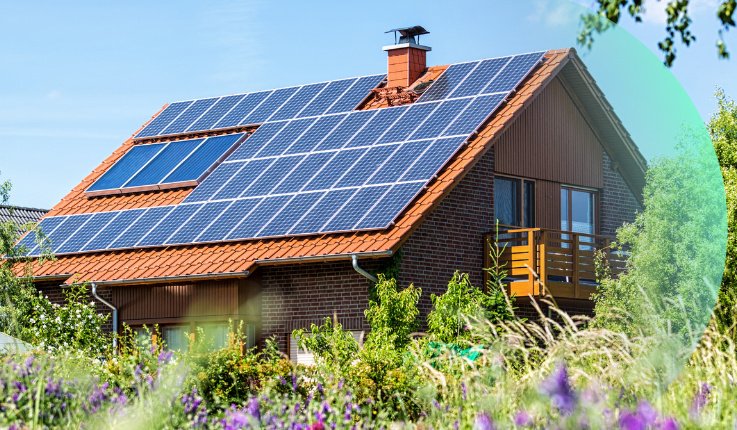
Unlike the situation at night, although the increase in electricity demand during midday in the heatwave is even greater at 16.5%, Spain’s abundant photovoltaic (PV) installations play a crucial role. The large volume of solar power generation effectively covers most of the new demand, thereby curbing the rise in wholesale prices and keeping daytime electricity rates relatively stable.
Expert Advice and Coping Strategies
Hello Watt's General Manager, Danny Salazar, specifically warns consumers: “Many users still cling to the idea of running their air conditioning all night to take advantage of off-peak rates, but the situation in recent months has shown this strategy is no longer effective. Users with hourly variable-rate contracts, in particular, must pay close attention to daily price fluctuations.”
For affected households, experts recommend the following measures to control electricity expenses:
- Leverage Daytime Sunlight: If you have solar panels installed, use the self-generated electricity during peak sunlight hours to pre-cool your home.
- Adjust Nighttime Habits: At night, consider raising the thermostat on your air conditioner or using it in combination with a fan to reduce energy consumption.
- Monitor Real-Time Prices: Use apps or websites to check real-time electricity prices and schedule high-consumption activities (like using the washing machine or dishwasher) for periods when rates are lower.
