Castilla-La Mancha Launches Major Cycling Network in Spain
The central Spanish region of Castilla-La Mancha—the setting for the literary classic ‘Don Quixote’—has recently launched a major official cycling route network called ‘Rural Bike Conecta CLM.’ The initiative aims to integrate the region’s rich natural and cultural resources, promote active tourism, and offer new options for visitors seeking experiences beyond traditional city sightseeing.
Project Overview and Funding
The cycling network spans a total of 2,180 kilometers and has received a €2.4 million grant from the European Union. The route is designed to connect urban and rural areas, providing cyclists with a safe and convenient way to explore. To ensure clear navigation, officials have installed over 3,200 dedicated signposts along the paths to guide riders across the region’s vast landscapes.
Patricia Franco, the Minister of Economy, Business and Employment for Castilla-La Mancha, stated that the network aims to showcase the region’s most captivating landscapes in a sustainable manner.
Connecting Natural Wonders and Cultural Towns
A key feature of the ‘Rural Bike Conecta CLM’ network is its deep integration of ecological resources. The route connects:
- 168 municipalities: Covering a diverse range of settlements from major provincial capitals to remote villages, giving visitors the chance to experience authentic Spanish town life.
- 2 national parks: Including Tablas de Daimiel National Park and Cabañeros National Park.
- 7 natural parks.
- 2 UNESCO Global Geoparks.
This allows cyclists to conveniently visit one of Europe’s most concentrated areas of natural reserves during their journey.
Key Ecological Highlights Along the Route
Tablas de Daimiel National Park
As one of Europe’s most important wetland reserves, it is an ideal spot for birdwatching and enjoying natural tranquility. According to Tour Spain, the national tourist board, the park’s sunset views are particularly spectacular and a must-see experience.
Cabañeros National Park
Dubbed the ‘Spanish Serengeti,’ this area features vast plains and mountain landscapes. The park offers up to 16 hiking trails, allowing cyclists to take a break for some on-foot exploration. It is also an excellent location for spotting iconic Spanish wildlife such as the Iberian lynx and the black vulture.
Tourism Growth and Future Plans
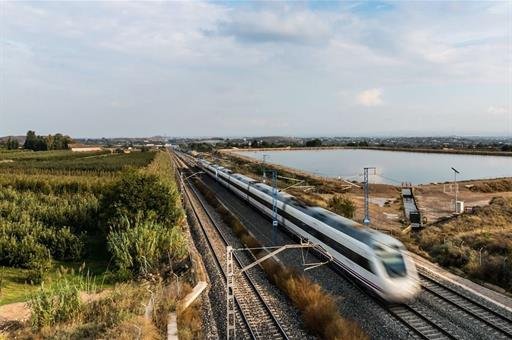
In recent years, the tourism sector in Castilla-La Mancha has shown strong growth. According to the latest Exceltur Barometer, a key tourism industry report in Spain, the region has become the fastest-growing autonomous community in the country for tourism. This trend reflects a growing preference among travelers for ‘active tourism’ models that focus on nature and avoid crowds.
Looking ahead, the regional government is actively working to integrate the ‘Rural Bike Conecta CLM’ route into the larger EuroVelo network. If successful, this central Spanish route will seamlessly connect with the vast network of cycle paths linking countries across Europe, likely attracting even more attention from cycling enthusiasts worldwide.
