Spanish Government Submits Anti-Smoking Bill, Aiming for a “Smoke-Free Generation”
On July 22, 2026, Spain’s Council of Ministers approved a draft bill to update the current Anti-Smoking Law and has submitted it to Parliament for review. The bill is a key initiative under the framework of the Comprehensive Plan for the Prevention and Control of Smoking 2024–2027, approved by the government in 2024, with the goal of creating a “smoke-free generation.”
The current law, in effect since 2005, has struggled to keep up with the constant emergence of new tobacco products. Health Minister Mónica García pointed out that products like e-cigarettes, heated tobacco, and nicotine pouches are increasingly popular among young people. The new bill aims to close existing legal loopholes, reduce tobacco consumption rates, and protect the public from the harms of secondhand smoke and related aerosols.
Major Expansion of Smoke-Free Zones: From Restaurant Terraces to Beaches
The most notable part of the draft is the significant expansion of smoke-free areas. If the bill passes, Spain will standardize smoking ban regulations at a national level, prohibiting smoking and the use of related products in more public and private spaces. The draft list of new smoke-free zones includes:
- Outdoor terraces of bars and restaurants
- Beaches, public swimming pools, and national parks
- Sports facilities and university campuses
- Bus shelters, and open-air platforms at train and metro stations
- Outdoor leisure and entertainment venues
- Inside commercial vehicles such as taxis and ride-hailing vehicles (VTCs)
Additionally, the bill proposes a smoking ban within a 15-meter radius of the entrances to the following places:
- Public buildings
- Public and private healthcare facilities
- Educational institutions at all levels
- Cultural facilities and sports stadiums
- Children’s parks and play areas
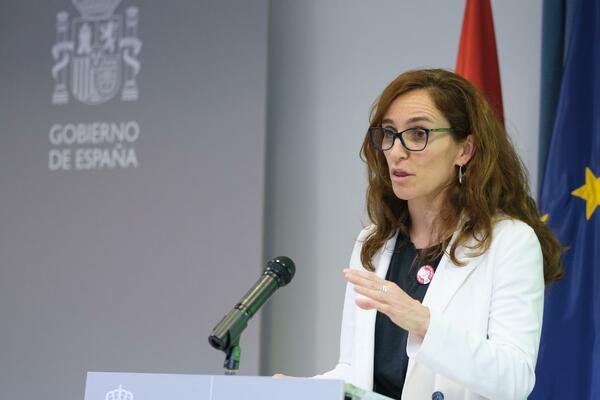
Minister García emphasized that the goal is to make “clean air the norm in public spaces,” ensuring all citizens can enjoy their right to health wherever they are.
First-Ever Law Prohibiting Smoking by Minors
This amendment marks a significant step in protecting adolescents, explicitly prohibiting the consumption of tobacco products by minors under 18 for the first time. Although previous laws already banned the sale or supply of tobacco to minors, they did not directly prohibit the act of consumption itself.
The Ministry of Health stated that this new provision will provide a stronger legal basis for prevention efforts, facilitating more effective intervention and education for minors and their families to prevent the onset of smoking at an earlier stage.
Tighter Regulations: E-Cigarettes Treated the Same as Traditional Tobacco
To address the marketing challenges posed by new tobacco products, the new bill will significantly tighten restrictions on advertising, promotion, and sponsorship. The draft stipulates that all new products, including e-cigarettes and herbal products for smoking, will be regulated in the same way as traditional tobacco.
Specific measures include:
- Banning all forms of advertising for tobacco and related products on the internet and social media.
- Strictly limiting covert marketing and commercial promotions conducted by influencers.
- Implementing a stricter licensing system for establishments that sell related products and ensuring they comply with regulatory standards.
Social Impact and Economic Considerations
Upon its announcement, the draft bill immediately sparked a major debate in Spanish society. The ban on smoking on terraces is seen as a blow to Spain’s iconic social culture and could negatively impact business for bars and restaurants. Meanwhile, licensed tobacco retailers (tobacconists) have also expressed concern about their revenue prospects.
However, the government has emphasized the long-term health and economic benefits of the policy. Minister Mónica García projects that the new anti-smoking measures could save the national health system approximately €100 million to €200 million annually in healthcare costs. She stated that these funds could be reinvested into more critical medical areas rather than being spent on treating preventable respiratory and cardiovascular diseases and related cancers.
