Lately, I’ve seen many fellow students asking about pursuing a Master’s in Communication in Spain. It reminds me of how clueless I was back then, digging through endless information and making quite a few mistakes. So, I’m starting this thread to share my experiences and the pitfalls I encountered, hoping to help those of you feeling anxious. Feel free to ask any questions in the comments, and let’s discuss it together!
Let’s Talk About Choosing a University
Spain has quite a few excellent universities for communication studies. The most famous ones are probably familiar to everyone. For instance, there’s the journalism powerhouse Complutense University of Madrid, as well as Autonomous University of Barcelona and Pompeu Fabra University in Barcelona. These are all public universities, and while they’re competitive to get into, they offer great value for money.
Public or Private?
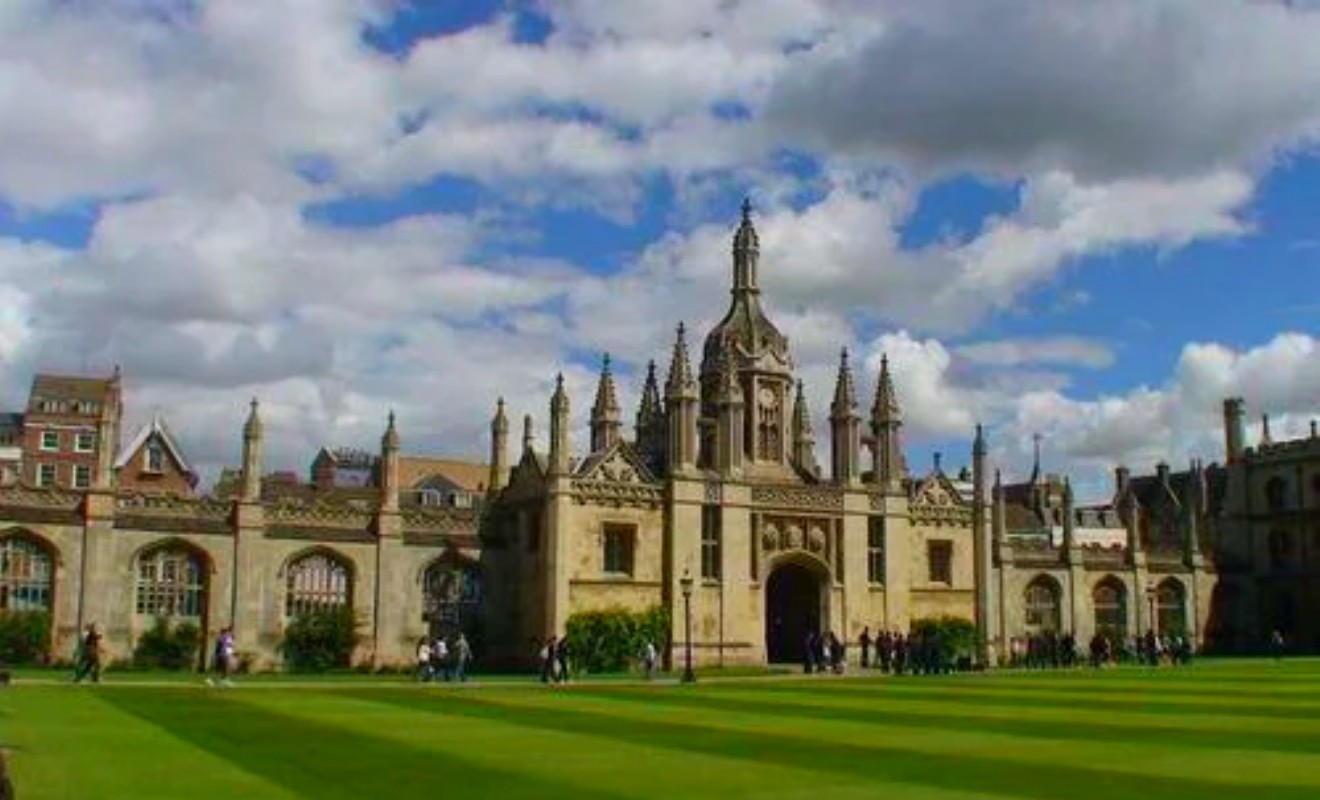
This really depends on your personal situation. Public universities have lower tuition fees and a strong academic atmosphere, but their application requirements are strict and the process can be quite bureaucratic. Private universities, like the University of Navarra, also have an outstanding communication program, but the tuition is much higher. However, they might offer better facilities, services, and corporate partnership opportunities, like these top universities for Communication in Spain. There’s no right or wrong choice; it all comes down to your budget and career plan.
Application Documents: Don’t Miss a Single One
Preparing your documents is definitely the most tedious part of the whole application season. Be sure to start early and leave enough time for official translations and legalizations. I’ve compiled a table of key documents for your reference:
| Material | Key Points |
|---|
| University Transcript | Needs official translation and legalization/notarization. |
| Proof of Eligibility for Postgraduate Studies | For current students. Also requires a full set of translations and legalizations. |
| Motivation Letter | This is the absolute soul of your application |
| ![/i] Never use a template. Tailor it to the specific university and program to show your passion and suitability. |
| Language Certificate | A DELE B2 or SIELE B2 is the basic requirement; the higher, the better. |
| CV/Résumé | Keep it concise and clear, highlighting internships, projects, or skills relevant to communication studies. |
Language, Language, Language!
Finally, I can’t stress the importance of language enough. While some programs claim to be taught in English, the options are actually very limited, and in reality, professors and classmates will likely default to Spanish in the classroom. If you truly want to immerse yourself in your studies and daily life, a solid command of Spanish is essential for anyone studying Communication in Spain
. Don’t just hope for the best—you must master the language!
These are just a few of my humble suggestions. Feel free to add your own thoughts and experiences in the discussion
! Wishing you all the best in getting accepted and receiving your dream offer!
