Hidden Eye Health Risks in Summer Activities
Summer in Spain is a prime time for children to enjoy the outdoors. However, ophthalmologists point out that prolonged outdoor activities also create hidden risks for eye diseases. Whether at summer camps, playing on the beach, or swimming in a pool, children’s eyes can be irritated by external factors like strong UV rays, wind, sand, and chlorinated water, thus increasing the risk of illness.
Three Common Eye Conditions to Watch For
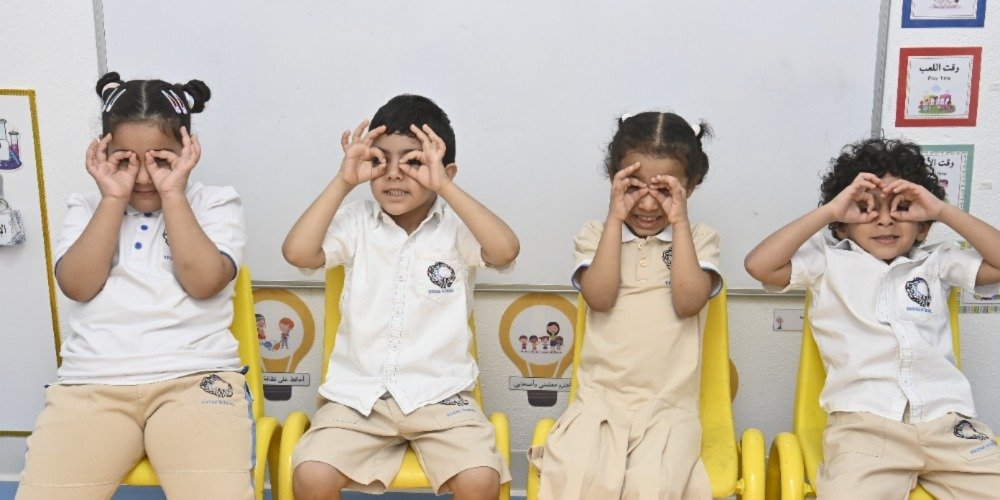
According to Spanish ophthalmologists, the most common eye problems in children during the summer fall into these three categories:
Photokeratitis: This is corneal damage caused by intense UV radiation. After activities on the beach or at high altitudes without proper protection, children may experience acute symptoms like severe eye pain, photophobia (light sensitivity), tearing, and a foreign body sensation.
Viral or Bacterial Conjunctivitis: Commonly known as “pink eye,” it is easily spread in public places like swimming pools. The main transmission routes are touching the eyes with unwashed hands or sharing towels, leading to red, itchy eyes with increased discharge.
Accidental Eye Injuries: Studies show that most eye injuries in children occur during play and sports. Impacts from balls, toys, or collisions with peers can cause anything from minor eyelid bruising to severe, lasting vision impairment.
Comprehensive Prevention-First Protective Advice
Experts emphasize that most summer eye problems can be avoided with effective preventive measures. Parents should educate and help their children develop good eye care habits to ensure a healthy and enjoyable vacation.
First, enhance physical protection. Choose sunglasses for your children that effectively block UV rays and ensure they wear them during outdoor activities. Second, personal hygiene is crucial, including washing hands thoroughly before touching the eyes and not sharing personal items like towels or sunglasses. Finally, increase safety awareness and use protective measures during sports that carry a risk of collision. If a child’s eyes show persistent redness, swelling, pain, or blurred vision, it is essential to seek a professional diagnosis and treatment from an ophthalmologist as soon as possible to prevent the condition from worsening.
