PIMEC Report Reveals: High Tax Burden Erodes Wage Growth in Spain, Diminishing the Impact of Pay Raises
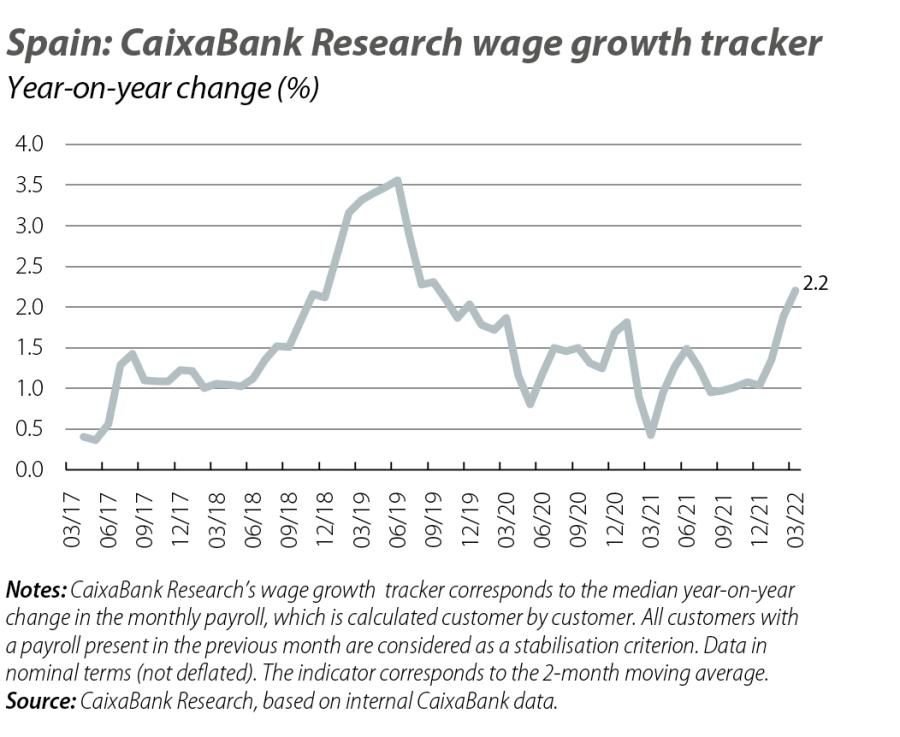
A recent in-depth report from the Catalan association for small and medium-sized enterprises, PIMEC, indicates that although many companies have increased employee wages to combat inflation, the real impact of these raises is significantly diminished due to an outdated tax system, leaving employees with far less disposable income growth than expected.
The Hidden Cost of a Raise: Half of the Increase Goes to the Treasury
Key data from the report shows that for every €100 salary increase provided by a company, between €44 and €52 goes to the state treasury through personal income tax (IRPF) and social security contributions. As a result, the employee’s net disposable income only increases by €48 to €56. This means the national tax system effectively claims almost half of the pay raise, blunting its positive effect on employees’ quality of life.
The “Fiscal Drag” Effect: The Purchasing Power Predicament Amidst Inflation
The study points out that the root cause of this phenomenon is that key parameters of Spain’s personal income tax system, such as tax brackets and allowances, have not been adjusted to account for high inflation. This is known as “fiscal drag.” In recent years, Spain’s cumulative inflation has neared 22%, pushing many employees into higher tax brackets due to nominal wage increases, leading to a disproportionate rise in their tax burden. The report calculates that even if an employee’s salary increase fully keeps pace with inflation, their real post-tax purchasing power could still suffer a net loss of 2.8% to 4%.
Case Studies: The Increased Tax Burden Across Different Income Levels
The report illustrates the widespread nature of the increased tax burden with specific examples:
- An employee earning an annual salary of €35,000, after receiving a 22.1% wage increase, saw their personal income tax jump by 38.7%, equivalent to an extra €772 in taxes per year.
- For lower-income groups earning around €18,000 annually, the situation is equally severe. Nearly half of their additional wage income can “evaporate” due to increased taxes and contributions.
Dual Impact on Businesses and the Government
From a business perspective, to truly maintain an employee’s purchasing power, companies must offer an additional 4% to 11% raise on top of compensating for inflation, which significantly increases labor costs. Meanwhile, this outdated tax system has generated a windfall for the government. PIMEC estimates that in 2023 alone, the Spanish government collected an extra €11 billion in personal income tax due to this effect. From 2021 to 2024, this “inflation tax” has brought in a cumulative €16.8 billion in additional revenue for the state.
PIMEC’s Policy Call: Establish an Automatic Tax Adjustment Mechanism
Facing this dilemma, PIMEC has explicitly called on the government to urgently establish a permanent mechanism to automatically adjust all personal income tax parameters in line with inflation. PIMEC argues that this measure would prevent taxpayers from suffering unfair tax increases due to inflation, breaking the cycle of “getting a raise but not feeling richer.” It would also alleviate the immense pressure on companies during salary negotiations and promote healthy economic development.
